Table of Contents
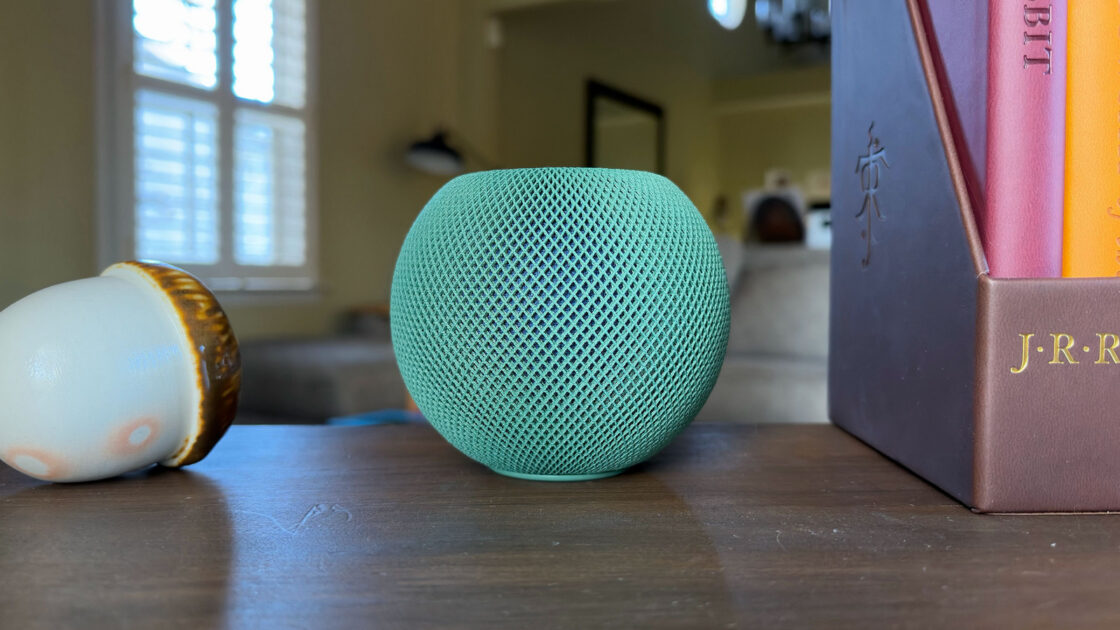
The Apple HomePod mini 2 ($149) arrives with several hardware upgrades, most notably an S10 chip from the Apple Watch Series 10 that replaces the older S5 silicon. Engadget reported that while the new processor is intended to support Siri AI and its personalized context features, the updated smart speaker lacks support for the revamped virtual assistant at launch, with Apple providing no timeline for its arrival.
What’s new on the HomePod mini 2?
The S10 chip allows the HomePod mini 2 to run real-time music evaluation to optimize dynamic range, loudness, and acoustic performance using advanced computational analysis. When paired with the fourth-generation Apple TV 4K, users can configure four HomePod mini 2 speakers as a surround sound setup, with the S10 chip helping the devices recognize room positions, adjust lag, and coordinate audio levels. Engadget noted that while the original HomePod mini only supported temporary AirPlay connections to Macs, the second-gen model can serve as persistent default speakers for all computer audio, including FaceTime calls and games.
A new feature called Sound Glow uses the top touch panel lights to display hues complementing a song’s album artwork in real time, reacting to bass, treble, and soundscapes. The HomePod mini 2 is available in pink, green, blue, white, and midnight, replacing the previous generation’s orange and yellow colors.
Sound quality and performance
Engadget noted that sound quality remains largely unchanged from the previous model, featuring crisp highs and prominent mids alongside a bass tone that lacks depth and dynamics. Despite the inclusion of the S10 chip, responses to basic Siri queries took the same amount of time as the first-generation model, and the older assistant still cannot access core apps or conduct ongoing conversations.
Drawbacks and limitations
The most significant drawback is the absence of Siri AI, which prevents users from utilizing contextual awareness across iPhone or iPad apps like Messages and Calendar. Engadget found that using the HomePod mini 2 as a persistent Mac speaker was frustrating in practice due to a one-to-two-second audio delay when pausing or skipping tracks, as well as slight delays between stereo-paired speakers that created a reverb effect. Furthermore, users cannot pair a first-generation speaker with a second-generation model to create a stereo setup. Finally, the price increased to $149, marking a $50 jump from the original $99 launch price of the first-generation device.
After spending a few weeks testing the device, Engadget concluded that Apple should have waited to release the speaker until Siri AI was ready, noting that the higher price and missing features make the update feel underwhelming and in need of more polish.