Table of Contents
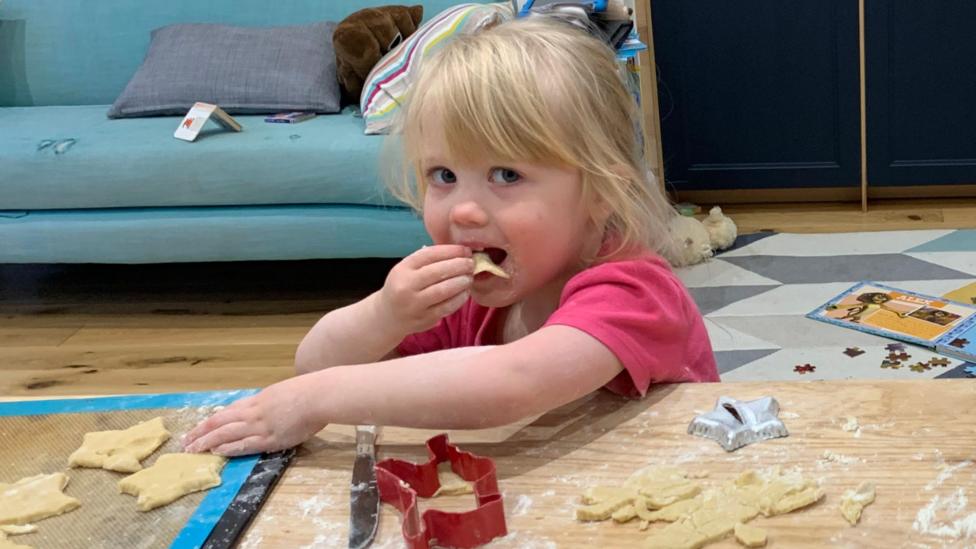
When biscuits disappear from the kitchen or drawings suddenly show up on living room walls, young children often point fingers at pets or imaginary creatures. While parents might find this dishonesty frustrating, experts told BBC News that early fibbing is actually an essential component of a child’s psychological growth.
The Early Stages of Deceptive Behavior
Clinical psychologist Dr. Jade Redfern explained on the CBeebies Parenting Download podcast that lying is a capability children refine through practice. According to Redfern, children view it as a skill they naturally test and develop over time.
Deceptive habits begin long before children can construct complex lies. Research conducted by the University of Bristol found that approximately one-quarter of children demonstrate an understanding of deception as early as 10 months old. Prof. Elena Hoicka, who headed the study, noted how unexpectedly clever infants can be when hiding away to eat sweets or playing simple tricks.
By age two, deception usually takes basic forms, such as pretending not to hear parental requests, denying misbehavior, or engaging in forbidden actions when nobody is looking. Some toddlers also manufacture excuses, like asking to use the bathroom to avoid cleaning up their toys. By the time children turn three, their tactics become far more sophisticated as their language skills and understanding of others improve. At this stage, they may selectively withhold key details, such as admitting a sibling hit them while concealing that they struck first.
Building Empathy and Protecting Bonds
Psychologists view these emerging deceptions as a key milestone in developing a “theory of mind.” Redfern noted that as children mature, they must realize they are independent individuals with thoughts, intentions, and perspectives distinct from those around them. This awareness forms the foundation for empathy, allowing children to recognize and consider the feelings and thoughts of others.
Self-preservation also drives early dishonesty. Because children rely heavily on their primary caregivers, they often tell lies to avoid disappointing adults or causing friction in their relationships. Redfern emphasized that human beings are fundamentally motivated by attachment, prompting children to learn quickly what behaviors strengthen or weaken their connection to their parents.
Fostering an Honest Environment
To encourage truthfulness, Redfern advised parents to create a supportive atmosphere where children feel safe owning up to mistakes. Providing a calm response rather than reacting with anger can make it far easier for a child to come forward.
Rachel Duffy, winner of The Traitors and a mother of three, shared her experience on the podcast when her eldest son broke his brother’s bicycle after colliding with a car. Although he initially denied involvement, Duffy offered him quiet space and reassured him that telling the truth would not result in severe punishment. Her son subsequently admitted to the accident, opening the door to a constructive conversation without raised voices.
Redfern also highlighted that minor untruths or social nuances are sometimes appropriate, such as when children express unfiltered physical observations or react to unwanted gifts. When her own children pointed out her wrinkles, she chose to respond with curiosity, using open dialogue to help model empathy and nurture emotional understanding.