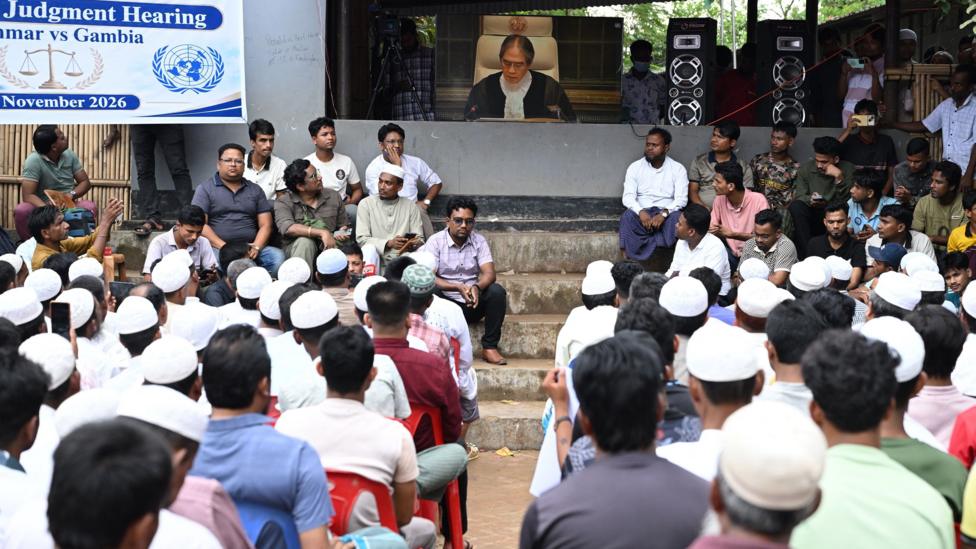
The International Court of Justice (ICJ) has ruled that Myanmar committed genocide against its Rohingya minority. This historic verdict marks the first time an international court has found a state responsible for genocide.
Findings of Genocidal Intent
Yuji Iwasawa, president of the UN’s top court, stated that Myanmar possessed the “intention to destroy” a substantial portion of the Rohingya population. The court concluded that “genocidal intent is the only reasonable inference that can be drawn from the evidence” presented during the proceedings. The decision was reached by a nine-to-six majority among the panel of international judges.
The court determined that the military engaged in “indiscriminate” killings, the execution of men, “widespread” sexual violence, and “extreme violence” against children. Furthermore, the judges found that the state carried out the “extensive destruction of evidence” by disposing of bodies, bulldozing cleared sites, and failing to prosecute those responsible for the violence. The ICJ also noted that an “anti-Rohingya hate speech campaign” had portrayed the minority as “sub-human,” which facilitated the clearance operations.
The 2017 Crackdown
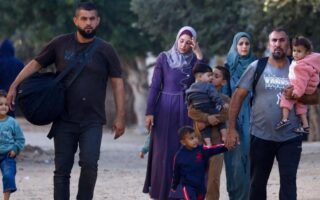
The case, brought by The Gambia, focused on “clearance operations” that began in 2017 in Rakhine State. These operations followed attacks on police posts by the Arakan Rohingya Salvation Army (Arsa). In the ensuing violence, approximately 10,000 Rohingya were killed, and more than 700,000 fled to Bangladesh. The court estimated that roughly 815,000 individuals were targeted during this period.
Myanmar consistently denied the allegations, claiming its forces were responding to militant threats. Government representative Ko Ko Hlaing previously told the court that the state was not obligated to remain idle against “terrorists.” Following the verdict, he offered no comment.
Impact and Legal Significance
The court ruled that Myanmar must pay proportionate reparations, though the specific amount will be determined later. Rohingya refugees and human rights organizations welcomed the decision. Mohammed Nowkim, a Rohingya survivor living in Canada, described the ruling as a “formal recognition of our suffering.” UN human rights chief Volker Türk characterized the violence as a “stain on the conscience of humanity” and called for the verdict to result in concrete action.
Human rights lawyer Philippe Sands KC, who assisted in the case, called the ruling an “historic judgment” comparable to the Nuremberg trials. While the ICJ lacks the power to imprison military officials and relies on the UN Security Council for enforcement, the ruling sets a significant legal precedent. Experts noted that the decision could influence other pending cases, including South Africa’s genocide case against Israel regarding the war in Gaza.
In response to the ruling, UK Foreign Secretary Ed Miliband announced that the government is expelling Myanmar’s defence attaché and summoning its charge d’affaires. He stated that further actions to ensure accountability would be announced in the coming days.