Table of Contents
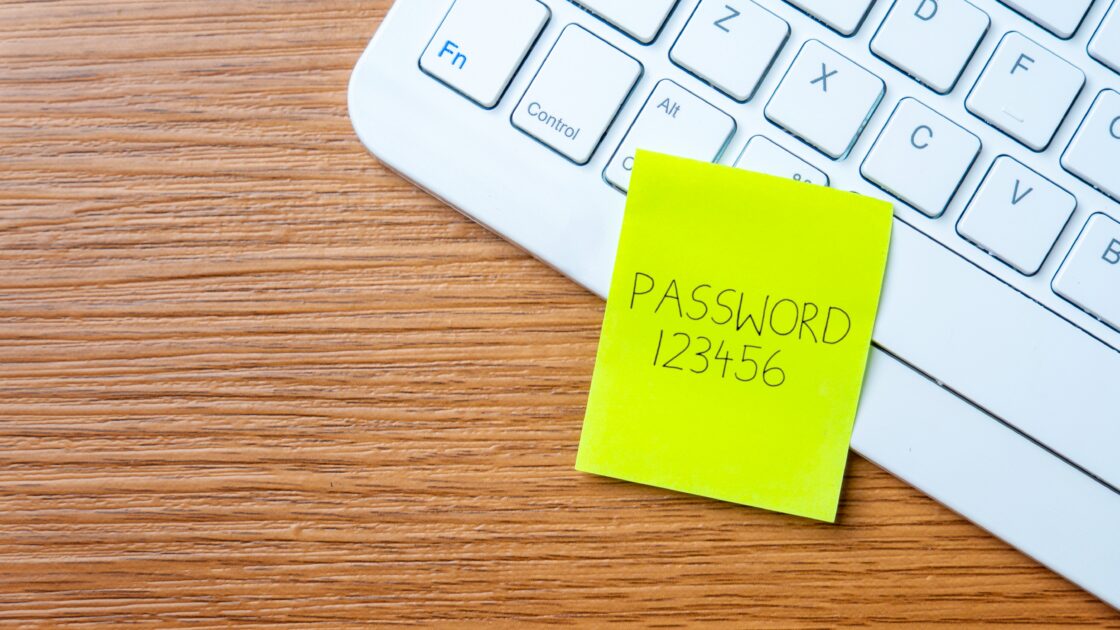
Despite persistent data breaches and cybersecurity warnings, millions of people continue to rely on predictable and uncreative passwords. According to a recent analysis by password and passkey manager NordPass, the sequence 123456 has claimed the title of the world’s most common password for the seventh time in the past eight years.
The Most Common Passwords
Across the 44 countries analyzed by NordPass, the password 123456 appeared more than 7.2 million times, as reported by CNET. In the United States, the top three most used passwords were 123456, password, and admin. The global top 10 list also featured weak combinations such as 12345678, 123456789, 1234, 12345, Aa123456, Pass@123, and 1234567890.
NordPass emphasizes that greater awareness regarding password safety is urgently needed. Experts recommend creating a unique password for every account that spans at least 15 characters and incorporates uppercase letters, lowercase letters, numbers, and special symbols. Reusing credentials plays directly into the hands of hackers who rely on human complacency.
To bolster security, users should upgrade weak credentials and enable multifactor authentication. This security layer demands additional verification beyond a login password, such as a one-time passcode sent via email or text, security questions, facial recognition, or fingerprint identification.
The Real Danger of Weak Credentials
CNET managing editor Adam Benjamin explained that the primary threat does not stem from individuals randomly guessing a password. Instead, the real danger comes from automated algorithms and bots utilizing credential stuffing, which involves testing stolen username and password pairs gathered from data breaches.
Using obscure references or foreign languages fails to make a password inherently stronger, according to Benjamin. “A password is good when it’s too much trouble for an algorithm to crack,” he stated.
Weak security measures have led to severe real-world consequences. Last year, researchers successfully accessed 64 million data records from a McDonald’s hiring chatbot by guessing the 123456 password. In 2023, the Akira ransomware group exploited an employee’s weak password to breach KNP Logistics Group, a British transportation firm, resulting in a $6.6 million ransom demand, company closure, and 700 layoffs. Furthermore, suspected Iranian hackers targeted US water supply systems this year by exploiting internet-connected devices utilizing default passwords or none at all. The rise of artificial intelligence has also accelerated hacking risks, with studies showing that AI systems can deduce passwords by analyzing keystroke sounds.
Pop Culture Pitfalls and Password Managers
NordPass research indicates that current trends, culture, and fandoms heavily influence password choices. Previous years saw popular culture references such as Lebron0319, Savage20, roblox.com1, Lachimolala, telegram, and minecraft dominating top lists. However, experts note that fandoms make ineffective passwords, as automated tools can easily crack pop-culture references within seconds, particularly when interests are visible on public social media profiles.
Managing dozens of unique credentials across financial institutions, government agencies, and retail sites can be exhausting. To solve this, Benjamin recommends utilizing password managers to generate long, complex passwords and store them securely. These tools eliminate the need to memorize or write down credentials by keeping them in an encrypted vault accessible through identity verification.
CNET senior writer Joe Supan added that top password managers also provide passkeys, allowing users to sign in using biometric IDs like fingerprint or facial scans, or PIN codes. CNET’s top recommendations for password management tools are NordPass and Bitwarden.