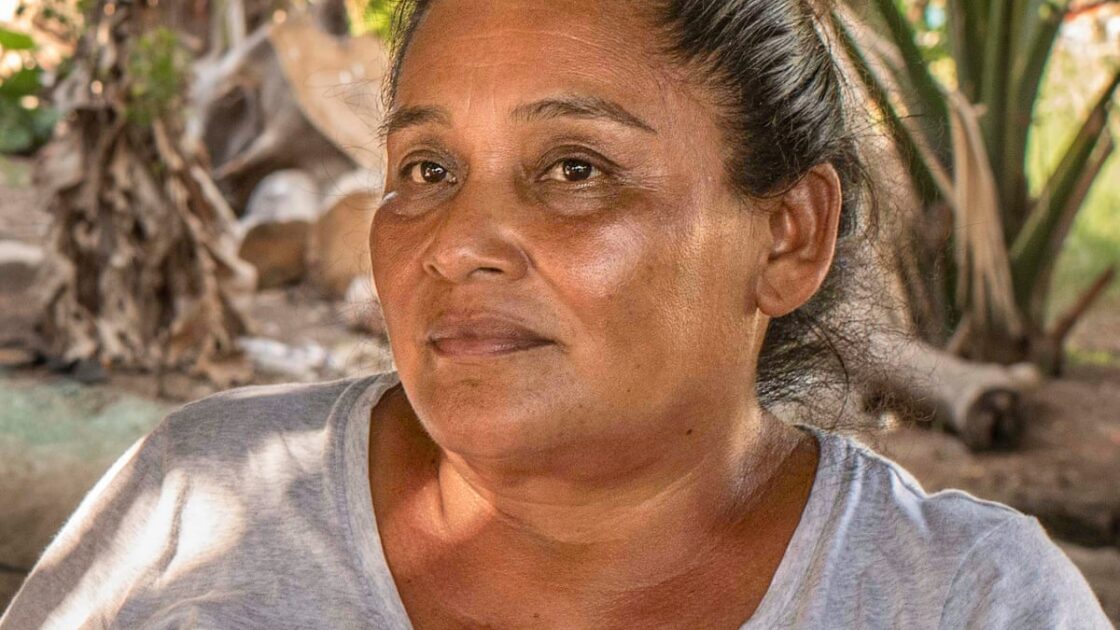
Guadalupe Cobos Pacheco shares her personal account of El Bosque, a Mexican fishing village that became the country’s first officially recognised climate-displaced community. Residents were forced to relocate in 2023 after severe coastal erosion and flooding consumed their homes and way of life.
Life in the Fishing Village
El Bosque, translating to “the forest,” relied entirely on the sea for its livelihood. Men fished offshore while women caught crabs and deployed nets from the shoreline, often watching each other’s children on the beach to maintain a steady household income. Older women prepared local delicacies such as ceviche, fried fish, and El Bosque’s renowned empanadas—tortillas stuffed with fish or deep-fried crab—for visiting tourists and fishermen.
Cobos Pacheco first noticed environmental changes in 2017 with the loss of long-standing trees, followed by the destruction of the first house in 2019. In 2022, climate scientist Dr Lilia Gama visited the community and informed residents that El Bosque was irreparably damaged by advanced coastal erosion, driven by warmer waters, stronger winds, deforestation, construction, and offshore oil platforms. Dr Gama stated that relocation was inevitable.
The Final Storms and Relocation
A severe storm on 7 November 2022 destroyed the homes of Cobos Pacheco’s mother and sister, proving that the village would eventually disappear. Community organization efforts gained traction with assistance from groups like Greenpeace and Conexiones Climáticas, though the rapid advancement of the sea left relocation as the sole viable option.
The early days of 2023 brought collapsing structures and power outages, prompting residents to petition the federal government and secure media attention. The Tabasco state government ultimately donated land near the city of Frontera to construct Nuevo Bosque, placing the community inland for safety rather than near the water.
Adapting to City Life
While residents succeeded in securing a relocation site, the transition to city life brought new challenges, including changed daily routines and financial strain. Older community members experience higher rates of illness and struggle with the high cost of living away from the shore, while traditional women’s fishing livelihoods fade due to lack of transportation.
Cobos Pacheco expresses concern for younger generations who risk losing their ancestral connection to fishing and the sea. She emphasizes that relocation should remain a last resort, urging authorities to prioritize coastal protection measures such as planting trees, building dunes, and restoring mangroves while keeping affected communities at the center of future discussions.
Cobos Pacheco acknowledges that El Bosque will eventually vanish entirely when the sea and river merge, but affirms that residents will continue returning to fish as long as possible because they remain people of the sea.