Table of Contents
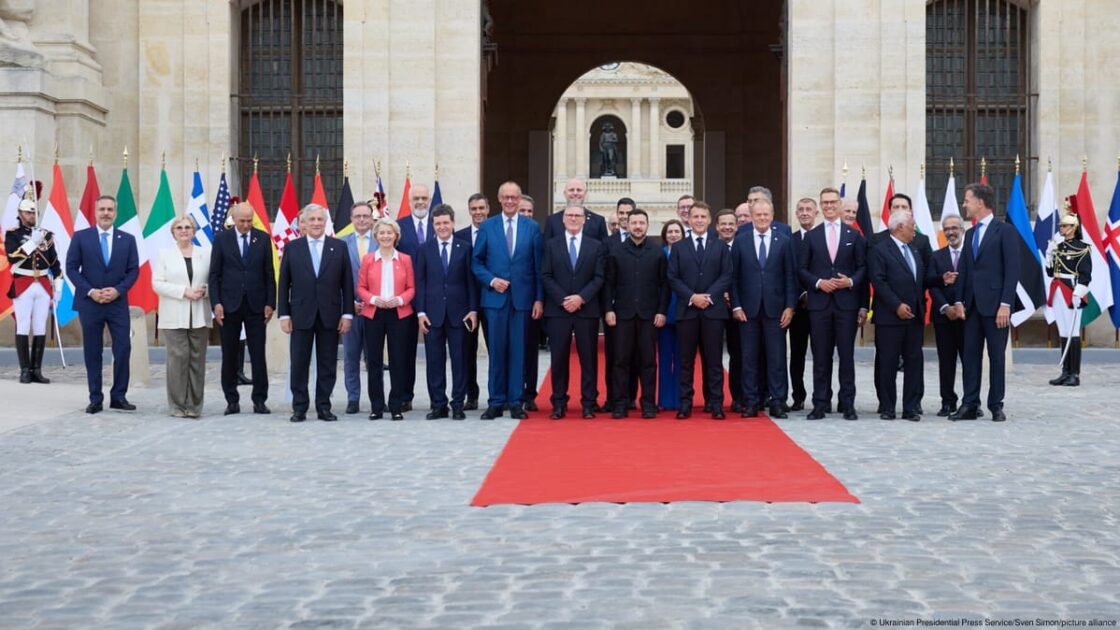
Approximately 20 heads of state and government, primarily from across Europe, are convening in Berlin on Thursday, November 19, to discuss the future of Ukraine. The meeting focuses on the nation, which has been under attack by Russia since February 2022 and is currently bracing for another difficult winter.
The Coalition of the Willing
The gathering involves the “Coalition of the Willing,” a group of 36 nations committed to supporting Ukraine. Beyond immediate military and financial aid, the coalition—led by Germany, France, and the United Kingdom—is prepared to help monitor a potential ceasefire and contribute to future security guarantees for Ukraine. This initiative originated in March 2025 during a meeting in London.
Stefan Meister of the German Council on Foreign Relations (DGAP) expressed caution regarding the group’s objectives. He told DW that Europe currently lacks a concrete proposal, noting that there is no clear plan regarding what security guarantees Europe would offer, which troops might be deployed, or where the continent is willing to compromise.
Diplomatic Representation and Negotiations
The meeting occurs amid signs of potential movement toward ending the conflict. Following recent talks in Abu Dhabi, which resulted in a prisoner exchange between Russia, Ukraine, and the US, there is renewed focus on Europe’s role in future peace negotiations. German Chancellor Friedrich Merz stated after an EU summit in Dublin that concrete peace talks are expected in the coming weeks, adding, “Germany has a seat at the table, that is absolutely clear.”
Representing Europe in these discussions remains a point of debate. It is expected that the E3 countries—Germany, France, and the UK—along with Poland, Italy, and European Council President António Costa, will participate. Meister suggested that the internal European debate over representation reflects domestic political pressures, noting that upcoming elections in France and Poland create uncertainty regarding the future of European support for Ukraine.
German Deputy Government Spokesperson Sebastian Hille addressed the discussion surrounding individual negotiators, stating that the focus should remain on ensuring Russian President Vladimir Putin enters negotiations. Regarding comments from US negotiator Jared Kushner, who suggested Europe should identify a single representative, Hille emphasized that Europe’s strength is found in the unity of many nations.
Shifting Public Opinion
European supporters of Ukraine face increasing pressure as public sentiment shifts. In Germany, support for weapons deliveries has declined since the start of the conflict. A September 2026 ARD DeutschlandTrend survey indicated that 52% of eligible voters support continued weapons shipments, while 42% believe support has become excessive, marking the highest level of opposition since the war began.
Additionally, a November 2026 study conducted for the broadcaster WDR found that support for Ukraine has become a polarizing issue in Germany. While 54% of respondents favor continued support, nearly 29% expressed a preference for rapprochement with Russia. Hille noted that achieving peace will require a step-by-step approach, emphasizing that Europe must maintain stamina and perseverance in its efforts.