Table of Contents
The United States officially lost its designation as a measles-free nation on Tuesday, ending a period of more than 25 years after the highly contagious virus was first eliminated. The Pan American Health Organization announced the decision following an evaluation by an independent panel of eight scientific experts.
Endemic Transmission and Outbreaks
Dr. Jarbas Barbosa, director of PAHO, accepted the panel’s recommendation and confirmed that measles is now considered endemic in the U.S. following 12 months of continuous transmission. The regional branch of the World Health Organization concluded that endemic measles transmission has been reestablished in the United States, alongside Bolivia and Mexico.
Nationwide, more than 5,400 measles cases were reported in 2026 as of mid-November, representing the worst outbreak in over thirty years. States have confirmed 10 deaths linked to the disease so far this year, consisting of seven in Pennsylvania, one in New York, and two in Wisconsin. Among the fatalities where vaccination status was documented, all victims were unvaccinated.
Public Health Response and Vaccination Gaps
The reversal highlights challenges from declining childhood vaccination rates and vaccine hesitancy, which have fueled outbreaks and preventable deaths. Dr. Daniel Salas, executive manager of PAHO’s Special Program for Comprehensive Immunization, stated that countries are strengthening vaccination, surveillance, and outbreak response efforts, with the U.S. ramping up immunizations in low-coverage areas.
PAHO expects the U.S. to submit a corrective action plan in the coming weeks to outline strategies for regaining its measles-free status. The Centers for Disease Control and Prevention stated in a release that it will continue providing resources to communities and working with local partners to restore the designation.
Dr. Erica Schwartz, director of the CDC, emphasized that the elimination designation is not what protects Americans, but rather vaccination. The agency has invested $100 million in state and local health departments to target transmission areas and intends to maintain its approach to measles containment.
Vaccine Effectiveness and Economic Impact
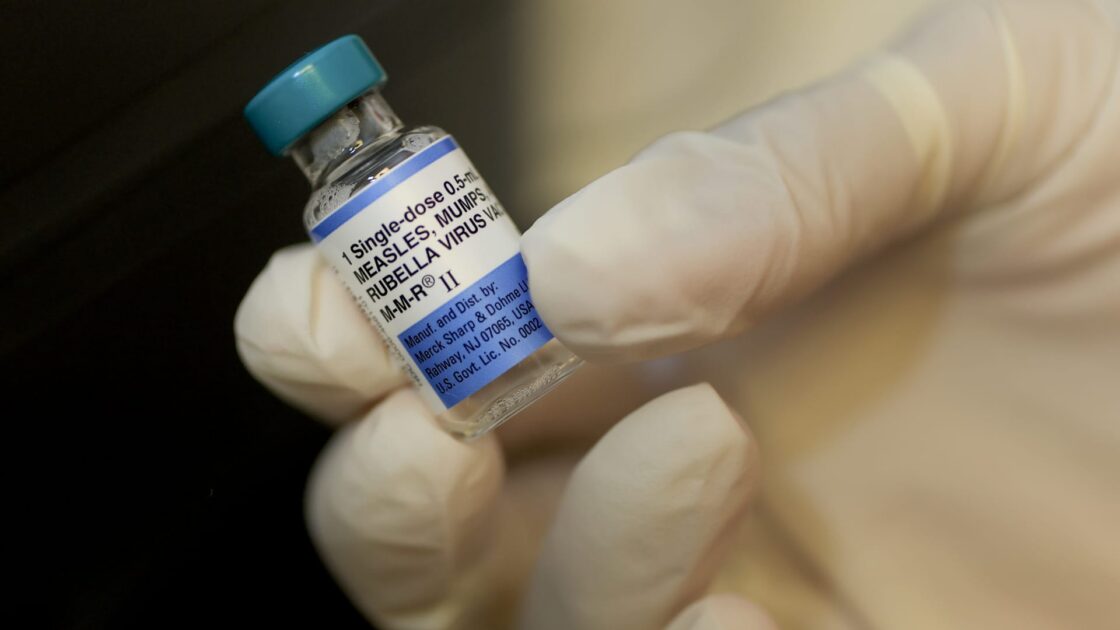
The MMR vaccine remains about 97% effective against measles after two doses and 93% effective after a single dose, according to the CDC. However, data compiled by the agency shows that vaccination coverage for kindergarteners dropped to 92.4% during the 2025-2026 school year, falling short of the 95% threshold recommended by health officials to prevent sustained transmission.
Researchers at Johns Hopkins University estimate that the outbreaks carry an economic cost of nearly $83 million based on this year’s case numbers. That total encompasses $56 million for public health response costs, nearly $25 million in lost productivity, and more than $1.8 million in direct medical expenses.
The announcement also presents a new test for the Trump administration and Health and Human Services Secretary Robert F. Kennedy Jr., who has previously questioned the safety of the MMR vaccine and taken steps to alter recommendations. With this change, the U.S. joins Canada, Spain, and the U.K. in losing its measles-free status following WHO-led expert reviews.