Table of Contents
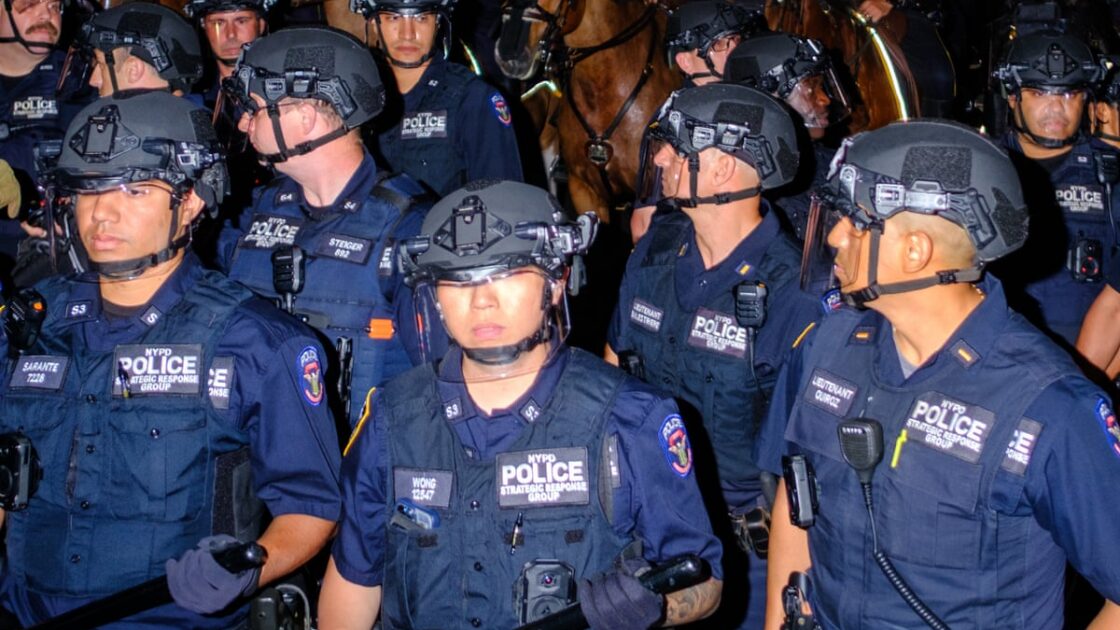
New York City Mayor Zohran Mamdani announced on Monday the dissolution of the Strategic Response Group (SRG), a controversial police unit that has faced years of criticism from civil rights organizations. The groups have frequently accused the unit of employing excessive force and aggressive tactics when managing protesters.
Fulfilling a Campaign Promise
In a video released Monday, Mamdani stated that the decision fulfills a pledge he made during his mayoral campaign to dismantle the unit. “Today, we are keeping that promise,” Mamdani said in the video.
A joint statement issued by the mayor and NYPD commissioner Jessica Tisch explained that the overhaul aims to transform how the city handles demonstrations. The new approach will prioritize communication, de-escalation, and civilian coordination while maintaining the constitutional rights of New Yorkers to protest.
New Community Safety Initiatives
The city plans to replace the SRG—which was established in 2015 with a focus on counter-terrorism—with a civilian-led Community Dialogue and De-escalation Division (CDDD). This new body will operate within the mayor’s office of community safety and will not possess weapons or the power to make arrests.
Additionally, the NYPD will form a “specialized dialogue team” known as the First Amendment Support Team (Fast). Based within the department’s community affairs bureau, this team will consist of 30 uniformed officers who have received specialized training in communication and de-escalation to improve protest responses. The city is also creating a new patrol support division (PSD) within the patrol services bureau, staffed by vetted officers trained in crowd management.
Restrictions on Tactics and Weapons
The reform package introduces significant limitations on the equipment and methods officers can use during demonstrations. The use of irritant gas, kettling, and long guns is now banned. Furthermore, the deployment of pepper spray as a crowd-management tool is prohibited, and long-range acoustic devices will be restricted to a maximum of 90 decibels.
Regarding the SRG’s original counter-terrorism duties, the administration stated that these functions, including the deployment of heavy weapons at critical infrastructure, will be moved to the NYPD’s intelligence and counter-terrorism bureau. Commissioner Tisch noted that this separation ensures that counter-terrorism operations remain distinct from protests protected by the First Amendment. “These changes will make us a stronger, more effective department,” Tisch said.
Reactions to the Policy Shift
The administration confirmed that these reforms will be implemented at no additional cost and will not change the total headcount of the NYPD. While civil rights groups welcomed the announcement, the New York Police Benevolent Association, which represents over 21,000 officers, expressed strong opposition.
Patrick Hendry, the union’s president, criticized the move in a social media statement, arguing that the mayor is prioritizing his political base over public safety. “Mayor Mamdani is showing his true colors: he’s willing to put your safety and police officers’ safety at risk to appease his radical base,” Hendry stated.
The disbanding of the SRG follows long-standing scrutiny of the unit, including a 2020 recommendation from the city’s department of investigation to reevaluate the group’s role in protest responses. More recently, in January, Mamdani reiterated his commitment to the change after the SRG arrested dozens of demonstrators protesting against Immigration and Customs Enforcement (ICE) at a hotel.