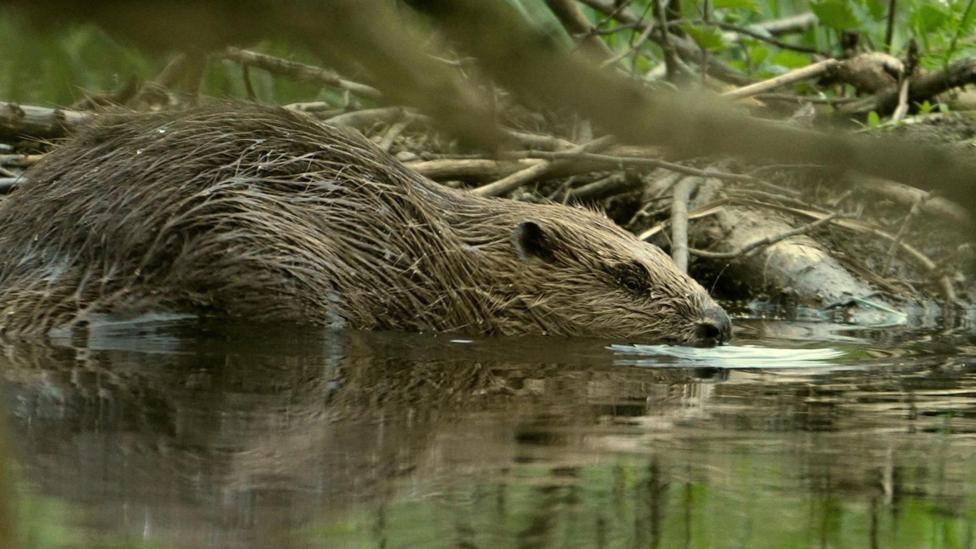
The River Waveney could soon become a habitat for beavers as conservationists begin exploring the possibility of reintroducing the species to the waterway. The River Waveney Trust is currently in discussions with Natural England and various agencies to assess the viability of bringing the mammals back to the 59-mile river that forms the border between Norfolk and Suffolk.
Potential for Ecological Restoration
According to the River Waveney Trust, the upper sections of the river and its tributaries offer suitable environments for the animals. Ange Lamb, a catchment resilience officer, stated that if the project proceeds, the reintroduction could potentially occur by 2029. Beavers, often referred to as “river engineers,” were once native to Britain before being hunted to extinction by the end of the 16th century.
Conservationists advocate for their return due to their natural ability to create wetland areas, which can significantly improve the health of river ecosystems. However, the proposal has also raised concerns among some stakeholders, particularly regarding the potential for beavers to damage trees or construct dams in unsuitable locations.
Community Engagement and Next Steps
The River Waveney Trust has initiated a series of public events to facilitate discussions about the proposal. The organization aims to involve local landowners, anglers, conservation groups, and community members in the planning process, with specific outreach planned for areas including Bungay, Palgrave, and Eye. Lamb emphasized that the goal is to ensure all interested parties have the opportunity to participate in the conversation from the outset.
While preliminary talks are underway, the process remains in its early stages. Any final decision to reintroduce the species would require a formal license from Natural England, and officials note that it will be several years before a definitive outcome is reached.
Beavers have already been reintroduced in other parts of the region, including enclosures at Wild Ken Hill, Sculthorpe Moor Nature Reserve, and the River Glaven. Additionally, a colony was introduced at Little Haugh Hall in Suffolk, and a pair has been observed in the wild at Pensthorpe Natural Park.