Table of Contents
Spain has declared a migration emergency in the Canary Islands after the arrival of more than 9,000 people in its Atlantic Ocean territory since the start of November.
Record Rescues and Island Influx
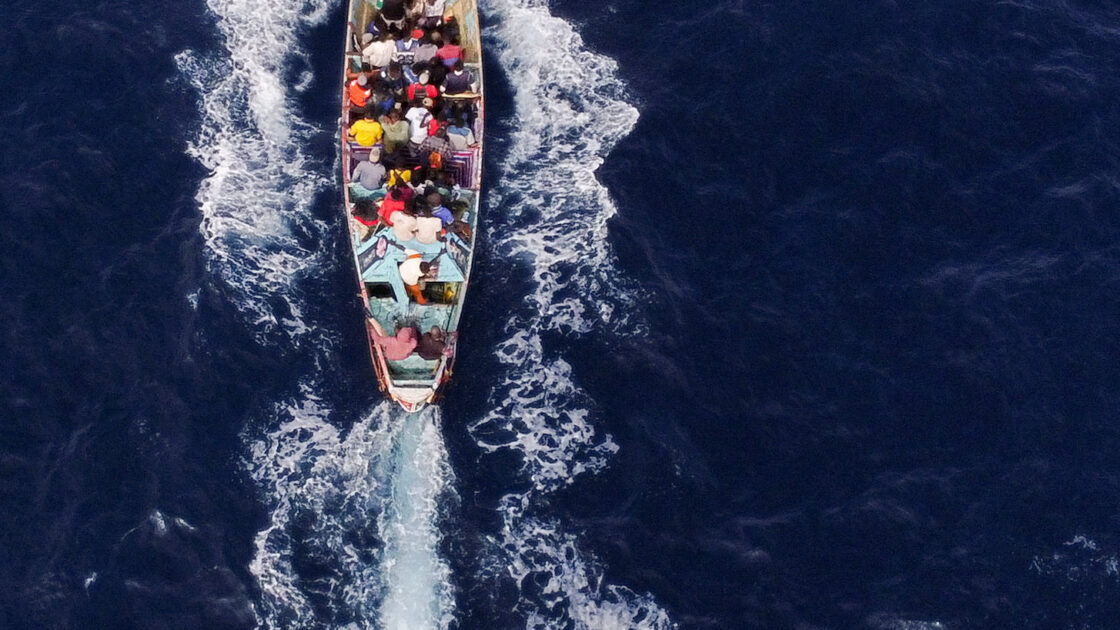
Spain’s Maritime Rescue Service stated that it had rescued 1,488 migrants aboard 14 dinghies, also known as pirogues. Most of these individuals arrived on El Hierro in the Canary Islands from West Africa on Saturday. That figure broke the previous record of 1,461 people rescued in a single day back in November 2020.
Spain’s Territorial Policy Minister Angel Victor Torres visited El Hierro on Sunday to discuss the surge in migrant arrivals. Al Jazeera’s Bernard Smith, reporting from El Hierro, explained that the total arrivals this year have set a record in the 32 years since statistics have been collected. Additional arrivals continued into Sunday afternoon, with the newcomers processed at the port in El Hierro before being transferred to a reception centre and later sent to other Canary Islands or the Spanish mainland.
EU Rules and Enclave Crossings
The European Union’s new Pact on Migration and Asylum officially came into force on June 12, 2026, introducing firm and fair rules for accepting asylum requests in the most sweeping overhaul of EU asylum and border laws in decades. Smith noted that EU states remain under pressure to do more to control migration from Africa and outside the European Union, although the new regulations have not stopped the flow of migrants to Spain and its enclaves.
In a separate event last month, Spain deported more than a dozen of the 80,000 people who had entered its North African enclave of Ceuta from Morocco over a 48-hour period in late July. At least 100 people died during that mass crossing into the autonomous city, which covers 18.5 square kilometres and maintains a population of about 80,000.
The Dangerous Atlantic Route
Most migrants arriving in El Hierro depart from West Africa, with many leaving from Senegal in hopes of reaching mainland Europe. However, they risk their lives by using small, often overcrowded boats at sea. Authorities reported that one boat arriving on Saturday carried 240 people, including 12 women and 36 children.
The International Organization for Migration recorded at least 450 deaths on the Western African Atlantic route in the first 10 months of 2026. Al Jazeera’s Nicolas Haque, reporting from Dakar in Senegal, described the trip as a treacherous journey, noting that favourable weather conditions in the Atlantic Ocean have made departures from African coastlines much easier in recent years. Migrants use wooden fishing vessels called pirogues, packing up to 100 people inside for a voyage that can last one week.