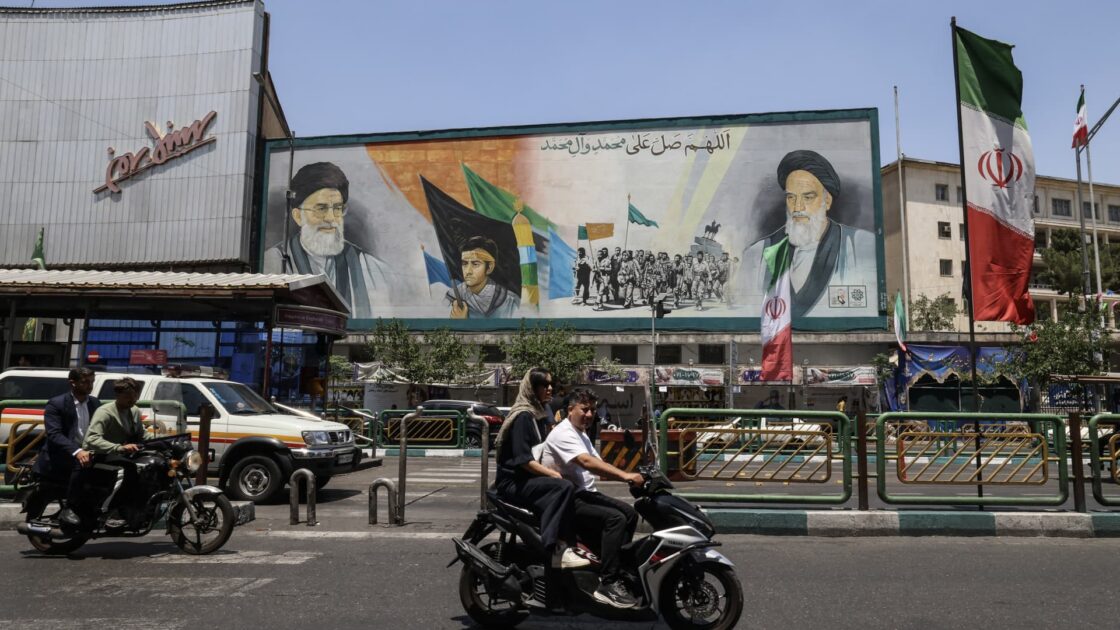
Bahrain intercepted and destroyed several Iranian aerial attacks on Sunday, while Tehran claimed it had struck a U.S. military base in the Gulf kingdom. These defense actions occurred amid ongoing uncertainty surrounding a potential agreement to end the war between the U.S.-Israeli coalition and Iran.
Interceptions and Official Statements
The Bahraini military reported that its air defenses successfully intercepted multiple Iranian aerial attacks before they could reach their destinations. The military accused Tehran of persisting in a systematic hostile approach toward the kingdom. Meanwhile, Iran’s Islamic Revolutionary Guard Corps stated that it targeted a U.S. military base in Bahrain in response to hostile American actions, as reported by Iran’s Fars news agency.
Iranian state-run Press TV reported that the Revolutionary Guards launched six drones aimed at a U.S. air defense radar located at the Al-Rifaa helicopter base in Bahrain. U.S. and Bahraini authorities did not immediately confirm this claim. Marking the first such defense actions by Bahraini air defenses since September, the interior ministry issued two separate alerts warning of potential threats and advising residents to seek shelter while remaining calm and proceeding to the safest nearby locations.
Two days prior, the Revolutionary Guards claimed responsibility for an attack on a U.S. early-warning radar facility within Bahrain. The U.S. military rejected that claim, stating that forces had successfully intercepted two Iranian drones with no resulting damage. Bahrain hosts the headquarters for the U.S. Navy’s Fifth Fleet.
Broader Regional Conflict and Diplomatic Stance
The wider conflict began on February 28 following initial U.S. and Israeli strikes on Iran, subsequently expanding throughout the region as Tehran deployed missile and drone strikes against American military installations across various Gulf nations. Diplomatic initiatives aimed at resolving the nearly nine-month-old conflict have not yet achieved a breakthrough, and sporadic attacks persist despite a general reduction in hostilities between Washington and Tehran.
President Donald Trump stated recently that he might refrain from launching further attacks against Iran provided the U.S. encounters no fresh provocations from Tehran or Iran-backed Houthi forces in Yemen. However, Trump indicated that a U.S. naval blockade would remain in place, as reported by Reuters.
Concurrently, hostilities continued on a separate front between the Houthis and the Saudi-led coalition. The coalition announced on Sunday that it successfully intercepted two ballistic missiles fired toward the Saudi capital of Riyadh, alongside three drones targeting the oil-rich Eastern Province of the kingdom.