Table of Contents
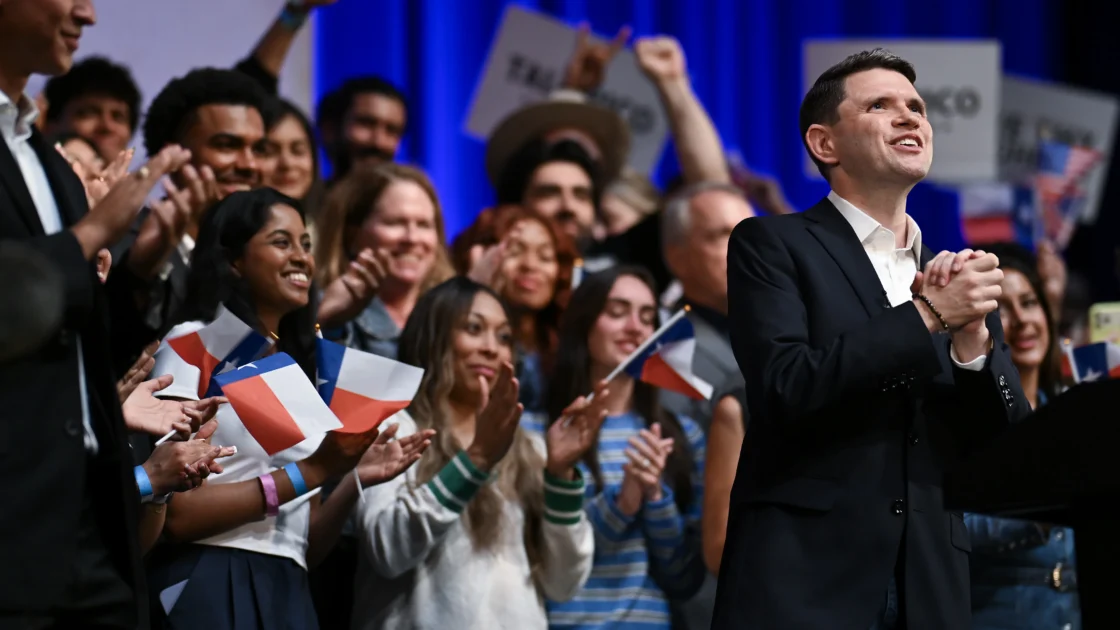
Social media platforms have been flooded with viral videos, AI-generated images, and pop-music montages highlighting the physical appeal of young men recently elected as Democrats. Fitness coach Jesse Barton and other users shared their reactions to the midterm results, while LA-based chef Manoushka Guerrier created a parody Tiger Beat personality quiz matching voters with figures like Texas Sen.-elect James Talarico and Colorado Rep.-elect Manny Rutinel. Guerrier noted that while their looks are a bonus, these politicians are also smart, young, and ambitious.
A Response to Trump and Changing Ideas of Masculinity
According to Notre Dame University political science professor Christina Wolbrecht, this wave of attention stems from societal debates surrounding age and masculinity. Wolbrecht explained that for over a decade, Donald Trump has presented a specific version of manhood centered on power, wealth, and status. In response, Democratic candidates leaned into physical manliness this election cycle, with figures like Rutinel and Michigan Senator-elect Abdul El Sayed sharing weightlifting videos and spoofing shows like Love Island. This shift followed voter sentiment favoring fresh ideas, as recorded in an NPR/PBS News/Marist Poll ahead of the midterms.
Shifting Perceptions of the Democratic Party
Democratic strategist Monica Venske noted that the focus on manly candidates helps counter the perception among some straight men that being a Democrat is uncool or unmanly. Venske launched the Instagram account Boyfriends We Deserve to highlight attractive Democrats to show that the party includes young men. She contrasted her open commentary on male politicians, such as Montana’s incoming Democratic congressman Sam Forstag—who worked as a smokejumper and fixed trucks—with her cautious approach to female politicians to avoid negative impacts.
Debates Over Electability and Party Strategy
Despite the focus on male candidates, Democratic women also secured historic victories, including Georgia’s Keisha Lance Bottoms as the first Black woman governor, New Mexico’s Deb Haaland as the first Native American woman governor, and Minnesota’s Peggy Flanagan as the nation’s first Native American woman senator. Wolbrecht suggested that the outsized attention on male candidates may tie into broader conversations about electability following presidential losses by Hillary Clinton and Kamala Harris. While Democrats won 50 percent of the male vote this year compared to Harris’s 43 percent in 2024, Wolbrecht warned that attributing past victories solely to older male candidates is a strategic misunderstanding.
Guerrier disagreed that the focus on candidates’ appearances is strictly about electability, viewing it instead as a refreshing way for voters to move past political darkness and embrace hope.