Table of Contents
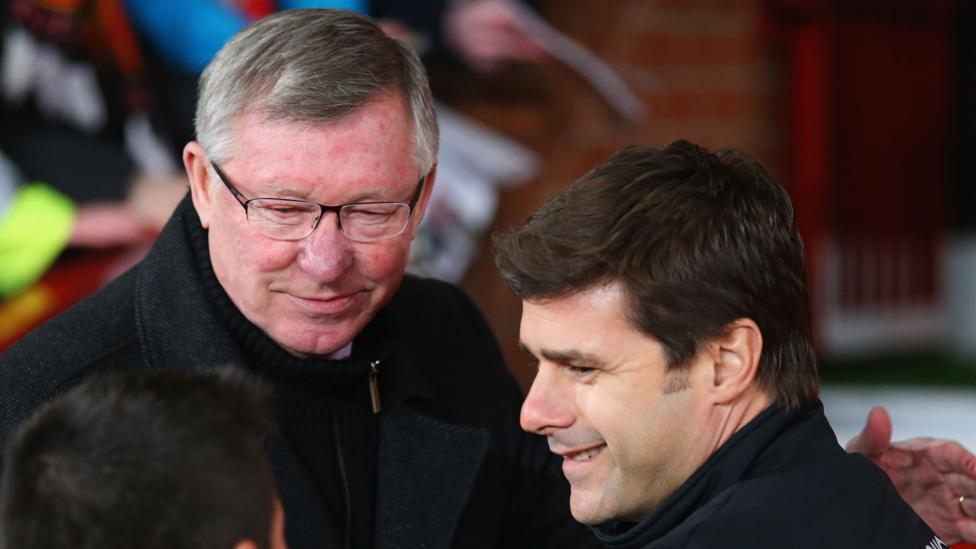
Mauricio Pochettino has been named as the new manager of Manchester United, bringing a long-held admiration for Sir Alex Ferguson to a club that has struggled to define its tactical identity since the legendary boss departed in 2013. For years, the managerial merry-go-round at Old Trafford has alternated between European coaches with fixed systems and former players from the Ferguson era, creating a constant tension between winning by any means and maintaining a specific cultural heritage.
Overcoming Past Tactical Hurdles
Michael Carrick previously guided United through a strong finish to a previous season, but his success relied heavily on a transition-heavy, counter-attacking style. Under Carrick, the team won 62 percent of matches when holding less than 50 percent of possession, but that win-rate dropped to 36 percent when they controlled the majority of the ball. Carrick attempted to transition the team into playing slick, short-passing football inspired by Paris St-Germain’s midfield three, but ultimately struggled to implement it reliably—facing the exact same hurdle that undid previous managers like Ole Gunnar Solskjaer and Erik ten Hag.
Pochettino, who has openly described Ferguson as his primary managerial inspiration, offers a potential solution. Having previously stated that his teams must always be protagonists who press high, work hard, and be dynamic, Pochettino models his approach on his former mentor Marcelo Bielsa, similar to Liverpool boss Andoni Iraola. This style emphasizes proactive, fast-paced, vertical football that has historically resonated with both United and Liverpool fans when executed with initiative rather than passive defending.
A Fluid Approach to Midfield Play
During his stint managing the USA national team at the World Cup, Pochettino showcased a tactical shift away from rigid positional play toward a more fluid structure. By allowing certain midfielders to move freely between defensive zones, the team frequently created unmarked spaces and utilized small-space passing combinations to draw opponents forward. This approach stretched the pitch and allowed fast strikers to capitalize on early, direct through-balls.
Although these principles share similarities with what Carrick attempted to implement, Pochettino brings a clearer organization to his free-flowing style. While Carrick’s early 4-2-4 high press worked initially, opponents eventually figured it out, and the team suffered from a drop in fitness over time. Pochettino’s history of building intensely drilled, well-conditioned sides—such as his successful tenure at Tottenham—positions him to establish the coordinated defensive pressure United requires.
Empowering Individual Talent
Pochettino’s managerial philosophy centers on creating a comfortable shape that empowers individuals to solve attacking problems rather than relying entirely on rigid, pre-defined patterns. This freedom was evident during his time at Chelsea, where Cole Palmer credited him with giving the confidence and license to roam into areas that best utilized his strengths. As reported by BBC Sport, Pochettino explained during his time at Spurs that the most important thing is creating a good shape for players to be comfortable and showcase their real qualities.
While United possesses strong attacking talent, the success of Pochettino’s tenure will largely depend on whether his players take the initiative in the final third. If the team fails to break down stubborn defenses when forced to dominate possession, it risks repeating the same tactical struggles that have hampered previous managers.