Table of Contents
The UK and the European Union are set to sign an agreement that will remove border checks and paperwork on plant imports, eliminating £60m in annual costs for the horticulture industry. Environment Secretary Angela Eagle stated that the upcoming post-Brexit deal will dissolve these expenses and ease trade between the two regions.
Upcoming UK-EU Summit and Deal Details
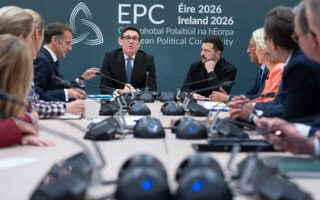
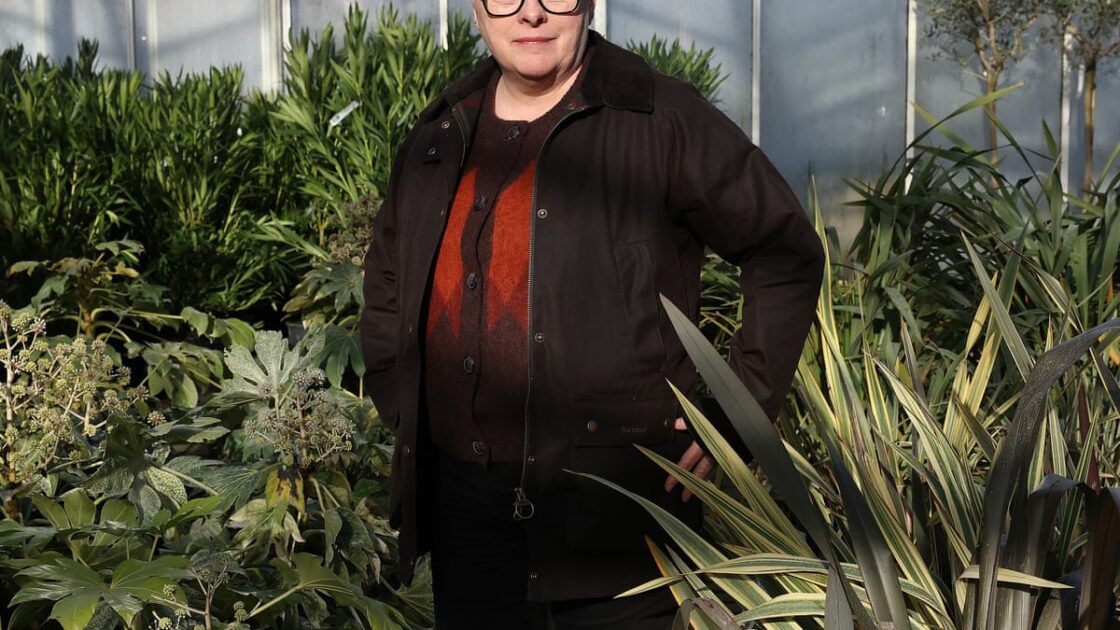
Speaking to The Guardian during a visit to a plant nursery in Kent ahead of the 20 November UK-EU summit, Angela Eagle expressed hope that paperwork headaches and border uncertainties would disappear once the agreement is finalized. The sanitary and phytosanitary (SPS) deal, largely agreed upon in May, will permit the removal of physical checks and most accompanying certificates.
According to calculations by the Horticultural Trades Association (HTA), the £60m in annual savings covers plant health inspection fees, phytosanitary certificates, document checks, port fees, agents’ fees, additional labor, and extra haulage costs. While Eagle noted these savings should create downward pressure on food prices, she did not confirm the deal would directly lower food costs in the UK. British food and drink exports to the EU have fallen by over a third since Brexit, according to the National Farmers’ Union.
Impact on Businesses and Investments
Provender Nurseries, a major wholesale nursery based in Swanley, Kent, welcomed the promise of the deal despite having already spent £500,000 on a post-Brexit control post on its site. Managing director Richard McKenna explained that the company built the sealed building and bought four electric forklifts to bypass delays and damage experienced at government-run border control posts like Sevington. While that investment will become obsolete, McKenna hopes the agreement will encourage European suppliers to restart exports.
The deal is scheduled for implementation in the first quarter of 2028, leaving businesses subject to current border arrangements for more than a year. Fran Barnes, chief executive of the HTA, urged pragmatic transitional easements, such as reducing checks on lower-risk products during the interim period.
Negotiation Timeline and Remaining Challenges
Eagle acknowledged that the 2028 implementation date is later than the mid-2027 target announced when former Prime Minister Keir Starmer initiated his EU reset deal in May 2025. She attributed the delay and the postponement of the November summit from July to a pause in negotiations following Andy Burnham’s succession.
The extra time has allowed officials to address complex issues regarding pesticides, as the UK still uses certain chemicals banned in the EU. This discrepancy has raised concerns that British produce, such as potatoes treated with EU-banned pesticides, could face disposal issues once the agreement takes effect. However, Eagle stated that both sides are aware of these concerns to prevent food waste.
Other producers, including seed potato and mussel exporters, anticipate that the SPS deal will revive trade stalled by Brexit regulations. Adam Taylor, a director of Taylors Bulbs in Lincolnshire, noted that his company had to set up a separate Irish business to continue supplying the Republic of Ireland after certification disputes halted British seed potato exports.