Table of Contents
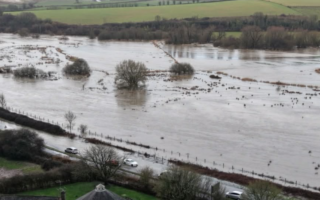
Midwives have warned that El Niño poses a higher risk of death in childbirth for millions of women living in the world’s most vulnerable crisis zones. Converging extreme weather events, including floods, cyclones, and severe heat, are forecast to peak in the coming months and threaten pregnant women who risk being cut off from medical facilities during labor.
High-Risk Births and Vulnerable Regions
Roughly 15 million babies are scheduled to be born in November and December across countries classified as high risk for El Niño, accounting for two out of every three births globally. These nations include Nigeria, Chad, the Central African Republic, South Sudan, Somalia, and Afghanistan, which already suffer from some of the highest maternal and newborn mortality rates in the world. Approximately 260,000 women die annually from pregnancy and childbirth complications, predominantly from preventable causes, with sub-Saharan Africa accounting for 70% of the burden.
“If you’re a woman, pregnant, facing social and economic hardship, and in a climate catastrophe zone, the odds are stacked against you before you even conceive,” said Anna af Ugglas, chief executive of the International Confederation of Midwives (ICM). “El Niño is coming on top of other health risks – and for many this will become the difference between life and death.”
Impact on Local Maternity Care
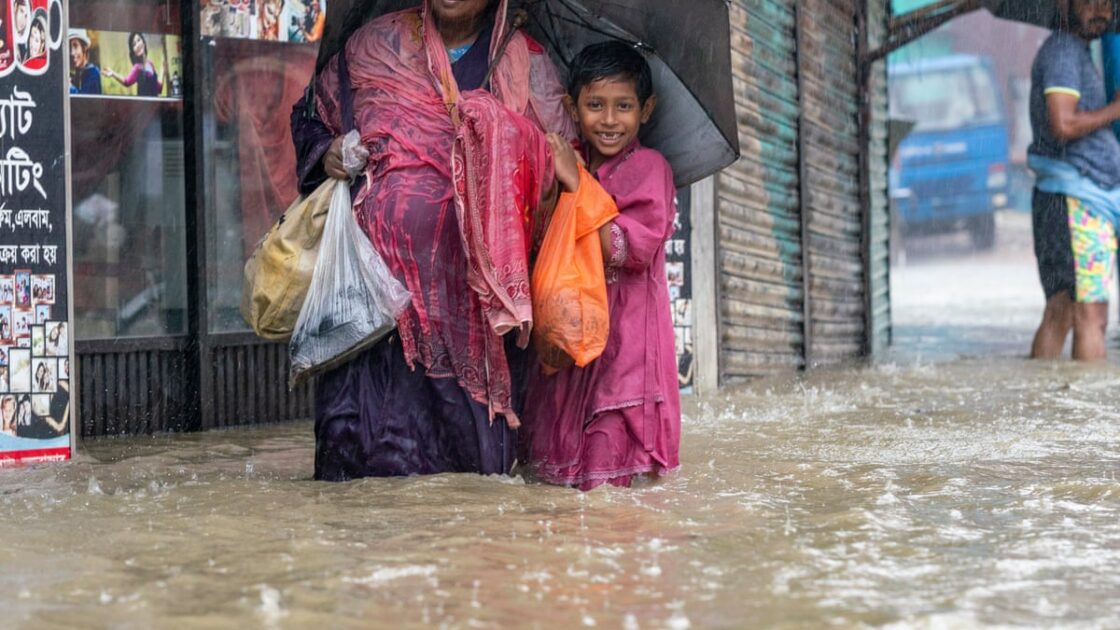
In Bangladesh, maternity teams are preparing for severe floods. “Childbirth does not stop during a cyclone, flood, heatwave or landslide,” said Christine Ewoi Eloto, a midwife mentor in the Rohingya refugee camps of Cox’s Bazar. “Even a short delay in reaching a facility during an obstetric emergency can cost a mother or her baby’s life. During previous flash floods and landslides, women could not reach health facilities. Roads were submerged and our vehicle got stuck.”
In southern Malawi, extreme heatwaves are preventing women from attending antenatal care appointments, while a failed rainy season has left farming families unable to afford transportation to clinics. “At present we’re facing temperatures above 40C most of the week,” said midwife Judith Mgogo. “Antenatal attendance is expected to be low since women cannot travel in such hot weather. We are having electricity blackouts every day.”
Midwife Madalitso Ben Malekano of Phalombe district explained that power outages force midwives to deliver babies in sweltering wards or under torchlight. Furthermore, past strong El Niño events have caused food shortages for over 4 million Malawians. Ben Malekano noted that malnutrition leads to low birthweight infants and severe maternal bleeding caused by anemia. The World Health Organization considers malnutrition “almost certain” in drought zones and a critical danger for pregnant and breastfeeding women.
Emmie Mang’anda, a Malawian midwife, stated that when households struggle to secure basic needs, some girls turn to risky survival strategies, such as transactional sex, to acquire money or food.
Extreme Heat and Global Action
In Chile, where recent floods devastated communities and hospitals, midwife Natalia Acha Godoy of the Maternity Foundation said she worries about how quickly access to hospitals can become uncertain during disasters for pregnant women in isolated areas or newborns needing urgent care.
The ICM has published a manual on surviving extreme heat, which it labels an “invisible disaster.” A single day of excessive heat can increase the likelihood of premature birth, birth defects, high blood pressure, and dangerous overheating in newborns. During life-threatening heat days, midwives are instructed to display red flags outside clinics to advise women to halt farm work and remain home if possible. The guidelines recommend a heat action plan featuring cool shelter, assistance with chores, and at least 15 liters of stored drinking water.
“Extreme heat does not leave behind immediate physical destruction, making its severe physiological toll easy to overlook,” said Neha Mankani, an ICM adviser.
Campaigners argue that the damage caused by El Niño, a periodic Pacific warming cycle intensified by global heating, demonstrates why governments must take action at the UN climate summit Cop31 in Turkey.