Table of Contents
Following years of rising to record highs, the homeless population in the United States decreased by more than 6% in 2025. This reduction represents approximately 49,000 fewer individuals without housing, marking the second straight year that homelessness has dropped following a smaller decrease in 2024.
Conflicting Explanations for the Decline
Housing and Urban Development Secretary Scott Turner attributed the drop to administration policies in a press release announcing the results of an annual nationwide count. Turner stated that actions to secure the border, remove criminal undocumented individuals from streets, and restore community safety drove a historic decrease in homelessness.
However, a second independent analysis commissioned by the advocacy group National Alliance to End Homelessness revealed a similar decline while attributing it to different causes. CEO Ann Oliva expressed that it is good news more people are securing housing and that congressional-funded programs are functioning effectively.
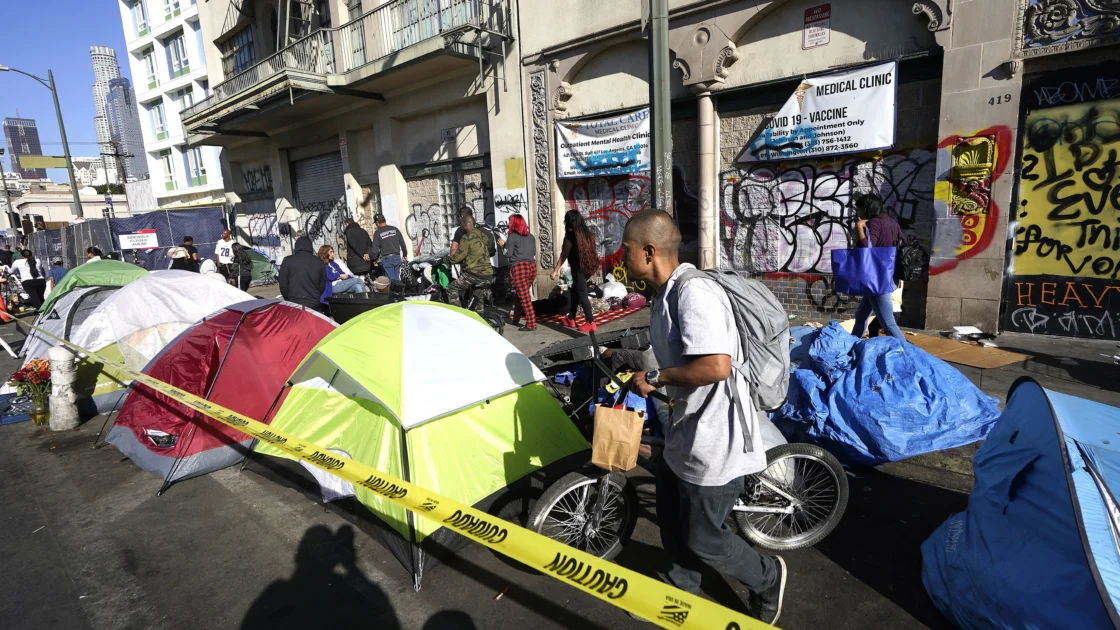
Despite the improvement, both analyses indicate that nearly 700,000 people across the U.S. still live in shelters or on streets, which remains significantly higher than levels seen before the COVID-19 pandemic.
Policy Changes and Shelter Impacts
The Trump administration highlighted shifts in immigration policy as a primary factor behind the numbers. During the previous administration, major metropolitan areas like New York, Chicago, Boston, and Denver experienced a surge of asylum seekers utilizing homeless shelters. Devon Kurtz, Public Safety Policy Director at the Cicero Institute, noted that those four cities drove half of the recent drop.
Kurtz also highlighted decreases in cities such as San Francisco, which has shifted toward supporting sober-living environments that prohibit drugs and alcohol. Conversely, critics argue that mandatory sobriety can force relapsing individuals back onto the streets, though relapses are common.
The Trump administration maintains that drug-free requirements assist more individuals in achieving recovery and intends to expand such programs. The administration aims to restructure billions of dollars in homelessness funding toward short-term housing featuring mandatory addiction and mental health treatment, though courts have blocked these efforts so far.
Divergent Views on Housing Strategies
The administration contends that traditional federal policies prioritizing permanent housing first and offering voluntary treatment afterwards have failed, attributing the pandemic-era spike in homelessness to this approach. In contrast, Oliva argued that programs removing people from streets without preconditions significantly contributed to recent declines, particularly among veterans.
Homelessness among U.S. veterans decreased by more than 7% last year and has dropped nearly 60% since 2010, driven by investments scaled closer to the actual need. Meanwhile, Oliva pointed out that chronic homelessness saw a small uptick, indicating a need for more permanent housing options for individuals who have been homeless for extended periods and often struggle with mental health issues and addiction.
The Department of Housing and Urban Development also credited enforcement actions against homeless encampments following a 2024 Supreme Court ruling permitting cities to ban sleeping and camping in public spaces. However, Oliva countered that data from her group’s commissioned analysis demonstrated cities implementing such bans performed worse than the national average.
Oliva concluded that the broader decline stemmed from multiple elements, including softening rental markets in certain regions where rents have retreated from record pandemic peaks, helping prevent new instances of homelessness. Additional declines occurred in areas impacted by major weather disasters, such as western North Carolina and Hawaii, where displaced individuals received emergency assistance that also provided aid to existing unhoused populations.