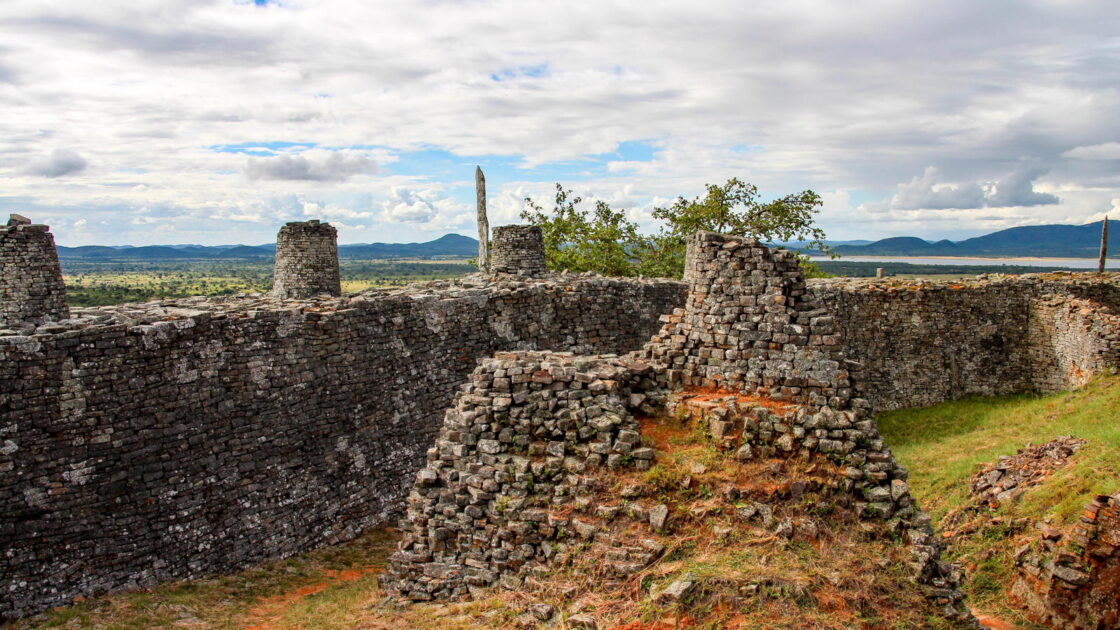
Ancient iron-smelting furnaces in southern Africa reveal the technological sophistication of the kingdom of Great Zimbabwe, which flourished between 1000 and 1700 AD. Researchers continue to study these historical sites to trace the massive transformation driven by the Bantu expansion across the continent.
Advanced Iron-Smelting Technology
At sites near Great Zimbabwe, including a village 25 miles northwest called Mashava, remnants of clay furnaces still bear the fingermarks of their ancient makers. These structures were nearly as wide as an adult’s arm span and featured thick walls capable of withstanding temperatures exceeding 2,100° Fahrenheit. While many furnaces of the era required manual bellows, these innovative structures utilized natural-draft technology to pull air in and push it out through a chimney without human labor. This automated airflow streamlined the production of iron tools such as hoes, axes, and arrowheads.
According to Ezekiel Mtetwa, an archaeometallurgist at Chicago’s Field Museum of Natural History who has extensively researched the structures, the scale and design of these furnaces demonstrate intensive and technologically advanced iron production.
Tracing the Bantu Migration
Researchers investigating these iron-powered societies attribute their creation to adaptable and innovative groups originating from western Africa. Known as Bantu speakers, these communities embarked on a gradual migration across the southern half of the continent between 6,000 and 4,000 years ago. Their arrival introduced a sedentary lifestyle centered on agriculture, livestock raising, pottery, and metalworking to areas previously inhabited primarily by hunter-gatherers.
This widespread migration fundamentally reshaped the continent’s history, technological landscape, and linguistic diversity. Approximately 350 million people currently speak one of around 500 distinct Bantu languages, ranging from southern African Zulu to eastern African Swahili. Furthermore, hundreds of millions of individuals across Africa, African America, and Afro-Latino communities retain Bantu genetic ancestry.