Table of Contents
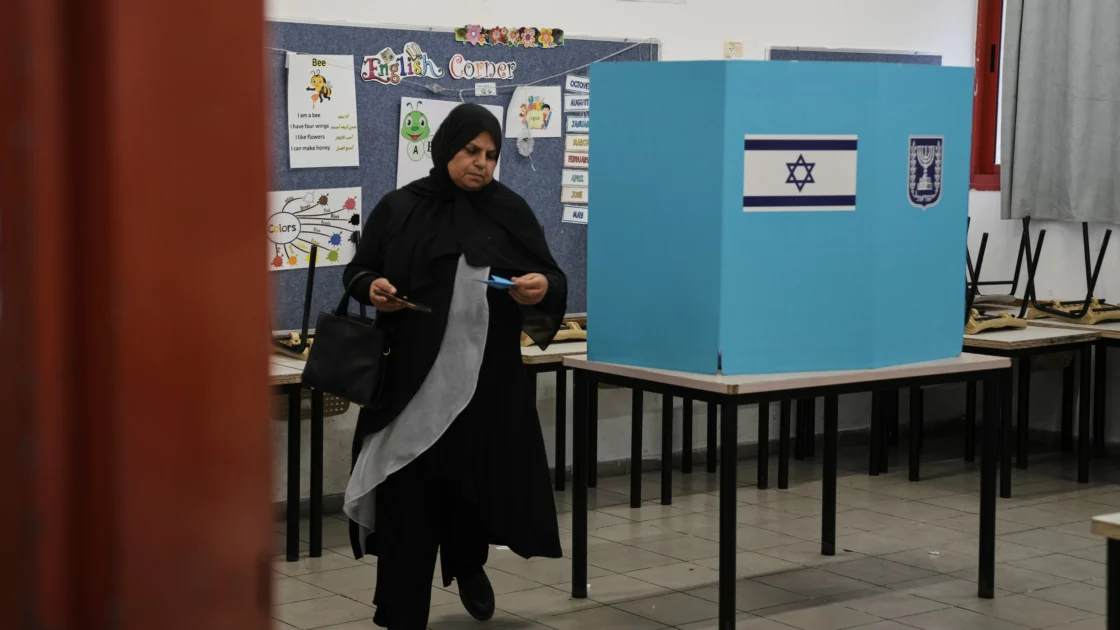
Palestinian citizens of Israel turned out in record numbers in last month’s general election, stripping Prime Minister Benjamin Netanyahu’s far-right government of its majority. The surge in participation propelled Arab-led parties to win 19 out of 120 seats in the Knesset, positioning them as a critical force in the political negotiations to form a new government.
Deadlocked Election and Historical Gains
Neither Netanyahu’s coalition nor the center-right opposition led by Gadi Eisenkot reached the 61-seat threshold required to govern. As reported by NPR, Jamal Zahalka, chairman of the High Follow-Up Committee representing Palestinian citizens of Israel, called the outcome a historical achievement that stopped Netanyahu’s government from continuing.
Palestinian citizens, who are descendants of those who remained when Israel was established in 1948, make up about 20% of the population. According to the Central Elections Committee, Arab-led parties experienced a 64% increase in votes compared to the previous election.
Voter Motivation Amid Rising Tensions
Voters told NPR that worsening discrimination within Israel since the October 7, 2023, Hamas-led attacks drove them to the polls. Intisar Sarsur, 65, stated that a lack of freedom and a desire for basic human rights motivated widespread participation. The community’s mood remained bittersweet, coinciding with an olive harvest in the West Bank frequently disrupted by settler attacks.
Right-wing politicians, including Netanyahu and National Security Minister Itamar Ben Gvir, used the high Arab turnout to rally their base, warning of threats to the country’s Jewish character. Netanyahu’s Likud party alleged election fraud without providing evidence, while police and election officials confirmed the vote was conducted properly and results were not compromised.
Divided Strategies Among Arab Lawmakers
Arab parties remain divided on how to leverage their newfound power. Mansour Abbas, leader of the conservative Muslim Ra’am party, campaigned on joining a governing coalition. Meanwhile, the Joint List alliance, which secured 11 of the 19 Arab-led seats, ruled out formally joining Eisenkot’s government due to the ongoing war in Gaza and the West Bank occupation, though it suggested external support.
President Isaac Herzog is scheduled to announce which candidate will receive the mandate to form a coalition next week, with potential repeat elections looming next year if all attempts fail.