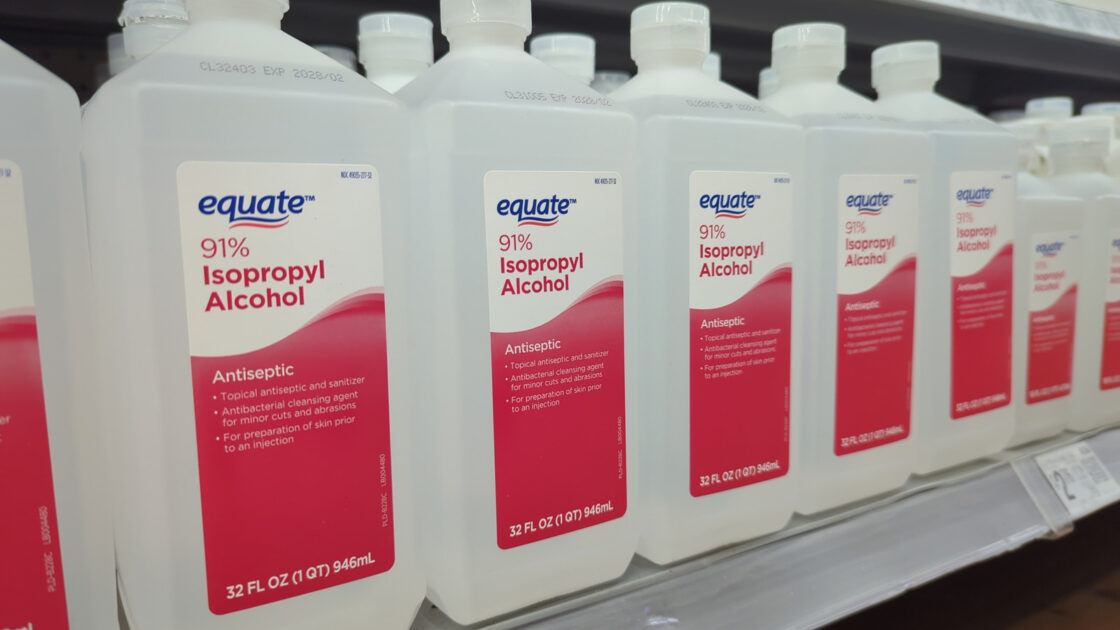
That bottle of isopropyl alcohol in your cabinet may not be as safe for your electronics as you might think. While it is a popular cleaner for devices, using an old bottle on sensitive computer parts can cause unexpected damage.
Risks of Expired Alcohol on PCs
Isopropyl alcohol typically maintains its peak quality for about three years after manufacturing, depending on the brand. While it does not instantly spoil after this period—especially if stored away from direct sunlight and excessive heat—using a very old bottle on a computer can be problematic. Safe electronics cleaning generally requires a concentration between 90 and 99 percent. These high concentrations contain minimal water and evaporate quickly, reducing the risk of moisture damage to delicate components.
Furthermore, isopropyl alcohol is hygroscopic, meaning it attracts water molecules from the surrounding air. It can draw in moisture through microscopic gaps even when the cap remains tightly closed, gradually becoming diluted. Over time, the liquid tends to absorb moisture until it reaches a balance of roughly 65 percent alcohol and 35 percent water. Consequently, a long-stored bottle possesses a higher water content, making it much riskier to apply inside a PC.
Safe Cleaning Practices
Ensuring the alcohol is relatively fresh is only one part of safe electronics maintenance. Although the substance works well for tasks like removing sticky thermal paste, it is not suitable for every component. Isopropyl alcohol can cloud polycarbonate and acrylic parts, while smearing or dulling glossy, painted, or printed finishes. Users must check manufacturer guidelines before applying it to screens with special coatings, as the chemical can also degrade rubber gaskets and seals over time.
For sensitive areas unsuited for alcohol, alternative methods work best. Compressed air combined with a microfiber cloth handles most standard cleaning needs. Additionally, detachable parts such as dust filters can be rinsed safely with water provided they dry completely before reinstallation.