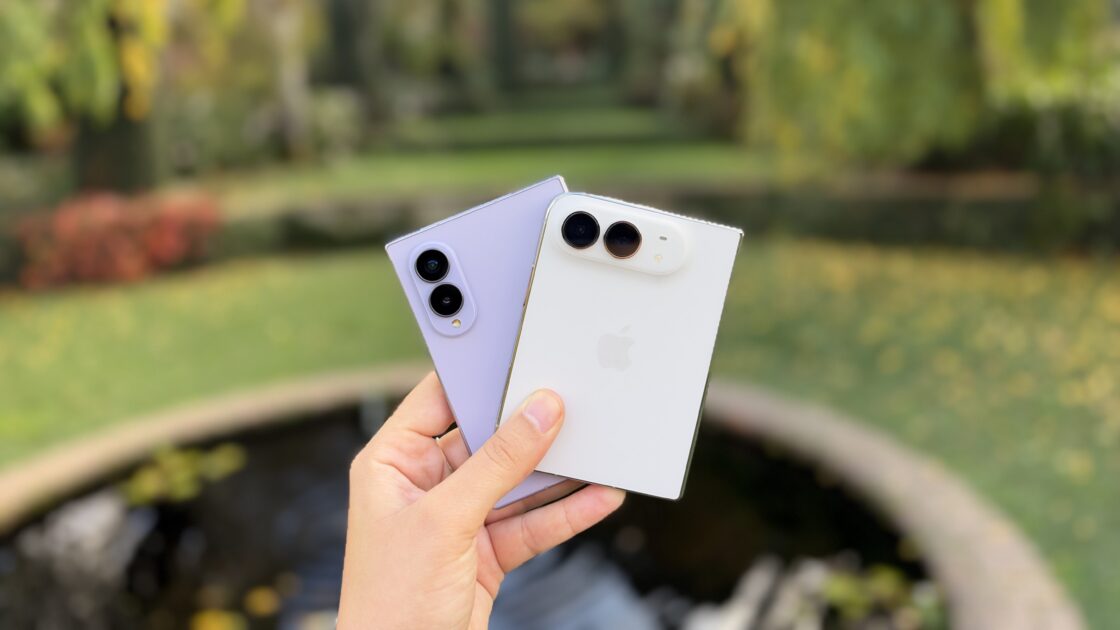
Apple’s iPhone Duo and Samsung’s Galaxy Z Fold 8 represent two leading compact book-style foldables on the market, sharing passport-like designs, similar battery capacities, and dual rear camera setups. In side-by-side real-world testing conducted by CNET at the Filoli estate in the San Francisco Bay Area, both high-end devices delivered strong photographic results, though each exhibited distinct strengths in color rendering, detail, and tone handling.
Specs and Pricing Trade-Offs
Despite high price tags—with the iPhone Duo starting at $1,999 for 256GB of storage and the Galaxy Z Fold 8 priced from $1,900 for the same capacity—neither foldable includes a dedicated telephoto camera. CNET noted that their camera systems do not quite match the advanced optical zoom capabilities and larger main sensors found on traditional flagship models such as the iPhone 18 Pro or Galaxy S26 Ultra. However, both feature versatile screen formats, opening up to expansive 7.6-inch inner displays in addition to compact cover screens.
On paper, hardware specifications remain close between the two competitors. The iPhone Duo features a 48-megapixel main wide sensor and a 48-megapixel ultra-wide camera, accompanied by a 12-megapixel cover selfie camera and an inner display FaceTime camera whose resolution Apple has not disclosed. Samsung equips the Galaxy Z Fold 8 with a 50-megapixel wide camera, a 50-megapixel ultra-wide lens, and 10-megapixel front cameras on both its outer and inner displays.
Real-World Camera Performance
During outdoor testing across garden settings, CNET observed consistent differences in how each phone processes color and lighting. The iPhone Duo frequently leans toward warmer color temperatures, deeper contrast, and richer black tones. In portrait shots and complex subjects, Apple’s device excelled at maintaining crisp focus on foreground subjects while applying a pronounced default background blur that effectively highlights the main target.
By contrast, Samsung’s Galaxy Z Fold 8 generally produces brighter overall exposures with a more neutral color balance. In several test shots, the Z Fold 8 captured higher edge sharpness on intricate background textures, such as tree bark and distant foliage, preserving fine detail throughout the frame. However, CNET reported that this increased brightness occasionally comes at the expense of subtle highlight preservation in bright skies or vibrant flowers.
Ultimately, CNET concluded that selecting between the two foldable camera systems comes down to personal taste rather than a clear winner. Photographers who prefer warmer tones, dramatic contrast, and subject separation will likely favor the iPhone Duo, whereas users looking for brighter overall scenes and consistent sharpness across the entire shot will prefer the Galaxy Z Fold 8.