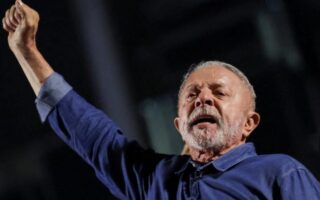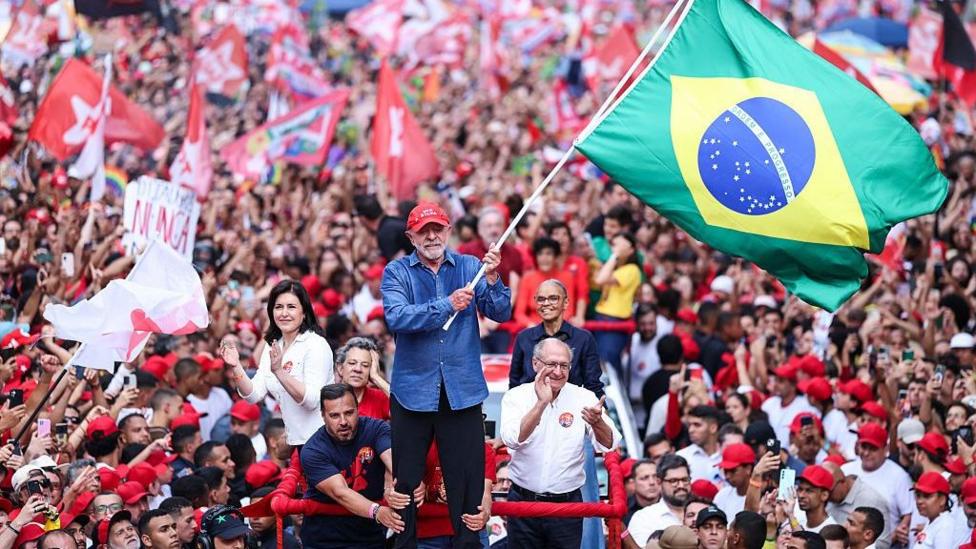
Brazilian President Luiz Inácio Lula da Silva marked his election victory by declaring that Brazil will not serve as anyone’s backyard, directing a clear message toward Washington. While domestic elections rarely hinge on foreign policy, Lula’s defiance against what he termed US interference resonated as a powerful patriotic campaign tool rooted in his political background as a former union leader.
A Complex Relationship
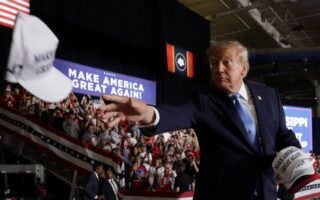
The dynamic between Lula and US President Donald Trump has been far from straightforward. While Trump called the election result “terrible” and “rigged,” he also noted that he gets along well with Lula and did not take sides, despite his close alliance with the father of Lula’s rival, former President Jair Bolsonaro. When BBC News spoke with Lula about a year prior, relations had reached a low point with no communication between the two leaders, exacerbated by US punitive tariffs on Brazil related to Jair Bolsonaro’s coup trial.
Lula pushed back against the pressure through fiery speeches defending Brazilian sovereignty, criticizing judicial interference, and wearing a blue cap with the slogan “Brazil belongs to Brazilians.” As his approval ratings rose, he accused the Bolsonaro family of unpatriotic behavior for lobbying for the tariffs. Although some agricultural supporters of Bolsonaro acknowledged Lula’s points, the US eventually lowered the tariffs before raising them again.
Relations subsequently warmed as the two leaders spoke at the United Nations and met in the Oval Office, where Trump described their talks as very good and Lula expressed satisfaction.
Regional Ambitions and Future Friction
Trump may find the election outcome disappointing because Latin America has largely shifted to the right with leaders closely aligned with Washington, forming a strategy Trump terms the “Donroe Doctrine.” According to Chatham House senior fellow Christopher Sabatini, the Trump administration viewed Brazil as the crowning prize after Flávio Bolsonaro advanced in the first round, expecting the younger Bolsonaro to join a regional security coalition and grant preferential access to Brazil’s vast rare earth mineral reserves.
Several unresolved issues threaten to reignite bilateral tensions during Lula’s next four years in office. Earlier this year, Brazil accused the US of undermining its electoral system and denied visas to two State Department officials, prompting the US to call the claim baseless and revoke the Brazilian ambassador’s visa.
Lula has also strongly opposed US military actions in the region, criticized Washington for designating two major Brazilian gangs as terrorist organizations following lobbying by Flávio Bolsonaro, and warned against threats to national sovereignty. Additional friction stems from technology and commerce, including Lula’s campaign accusing Meta of favoring Flávio Bolsonaro—an allegation Meta denied while citing technical moderation errors—and US displeasure over Brazil’s instant payment system, Pix, for competing with American financial services.
Despite these divisions and domestic campaign displays where Bolsonaro supporters waved US flags, the United States remains Brazil’s second-largest trading partner after China. The future of the relationship will depend on the extent of US intervention in Brazilian affairs and the firmness of Lula’s response.