Table of Contents
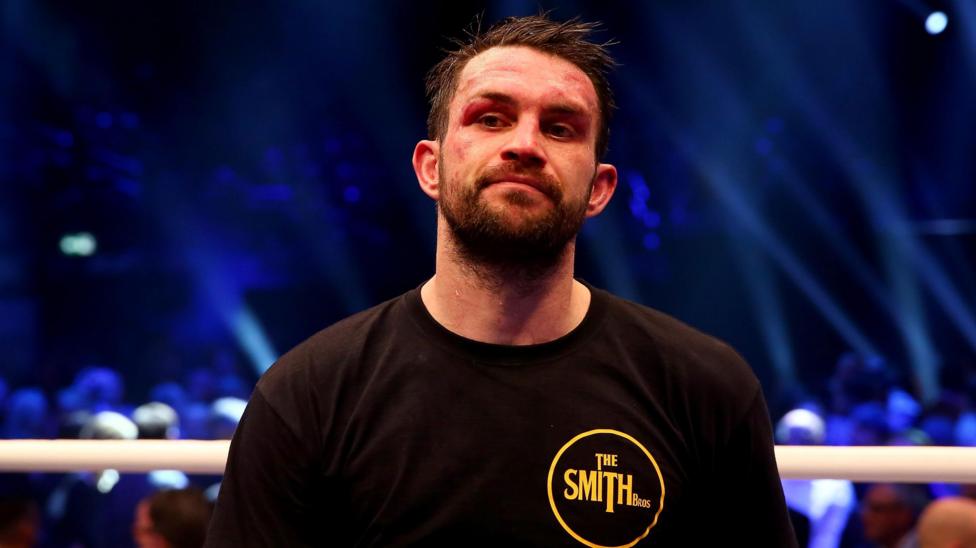
Former boxer Paul Smith has criticized a lack of support for athletes, stating that fighters are being hurt, exploited, and forgotten within a failing system. Smith is part of the Global Fighters’ Association (GFA), a team established last year to represent fighters, safeguard their futures, and launch what it aims to be the largest inquiry into health and safety in combat sports.
A Call for Reform and Fair Treatment
The GFA intends for the inquiry to serve as a platform for the group to become the new umbrella organization for all combat sports. The non-profit organization campaigns for fair contracts, better pay, insurance, pensions, proper health and safety standards, and an official channel for fighters to report problems.
BBC Sport reported that the GFA highlighted recent public fundraisers that helped fighters such as Lee Reeves pay for emergency care after suffering serious injuries. Smith, a three-time challenger for a super-middleweight world title who retired in 2017, described it as a systemic failure when athletes must rely on crowdfunding for their recovery.
“Every week, somewhere in this sport, a fighter is hurt, exploited or forgotten, and the only safety net is whatever the boxing community can scrape together after the fact,” Smith said.
“That’s not a system. That’s a failing. We are not aware of anyone, ever, who has properly invested the time and resources to get under the bonnet of this sport, work out exactly where it is failing fighters, and publish actionable recommendations to fix it.”
Inquiry and Industry Standards
The GFA has secured Jonathan Caplan KC, a respected barrister, to lead the inquiry process, which will examine the safety, governance, and treatment of combat sports participants at all levels from grassroots to professional. Caplan will produce a report based on the gathered evidence and testimonies, funded by a crowdfunding campaign aiming to raise £500,000.
Chair designate Simon Bazalgette stated that the group wants to provide fighters with the same support structures available to athletes in other disciplines. Bazalgette noted that sports such as rugby, football, and horse racing have significantly improved participant welfare over the past decade.
“It is striking that combat sport is one of the last workplaces with no professional representation for its workers, meaning little protection, no minimum health and safety standard, no independent pension scheme, no insurance floor, and no single body a fighter can turn to when something goes wrong,” Bazalgette said.
“The GFA has been formed to rectify this, to help the sport create a stronger bond of trust with its participants and its audience, and thereby give a stronger foundation for growth.”
Legislative Concerns
Earlier this month, British mixed martial arts fighter Michael ‘Venom’ Page encouraged fighters to form a union to push for better pay, pointing to the Muhammad Ali Act—a 2000 United States law protecting boxers’ rights—as a model he wants replicated in MMA.
Meanwhile, UFC president Dana White has been pushing to amend the legislation. GFA acting general secretary Paul Maloney stated that this move should raise alarm bells for fighters.
“It’s the one piece of legislation anywhere in the world that gives fighters a level of workplace protection, and it’s currently being rewritten in a way critics say favours the promoters and networks that already hold most of the power,” Maloney said.
“If it can be stripped back there, it can happen anywhere else that lacks its own independent, respected voice for fighters – which is exactly why the GFA exists.”