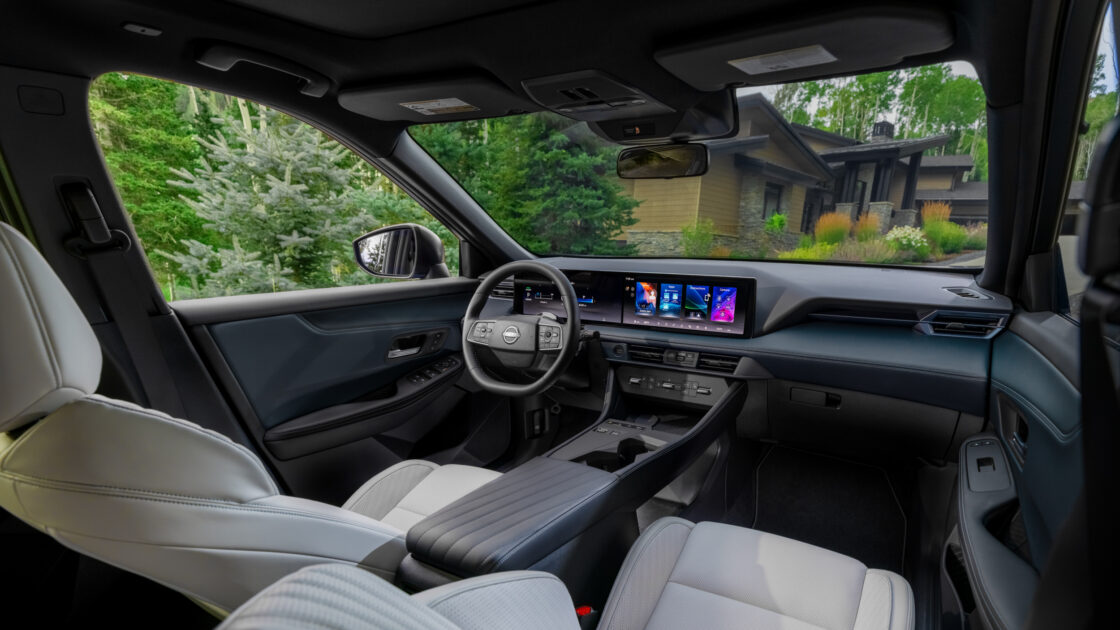
Vehicle interior design is shifting away from minimalist, software-driven dashboards as carmakers respond to driver complaints about safety and usability. The trend of removing physical buttons in favor of touchscreen controls is finally facing successful pushback.
The Rise and Fall of Switchless Cabins
According to Hiren Patel, senior design manager at Nissan, the shift toward switchless interiors driven by Piano Black surfaces began when designers and engineers believed eliminating physical switches would reduce costs and streamline manufacturing. Companies wanted to avoid tooling unique parts for different models and instead create an interior experience that mirrored software. While these minimalist designs looked visually appealing in showrooms, real-world driving conditions proved them problematic.
Patel explained that motorists quickly voiced frustrations because adjusting basic functions like seating positions or cabin temperature required navigating touchscreen menus, forcing drivers to take their eyes off the road. Unlike smartphones where touch controls are immediately accessible and intuitive, interacting with complex automotive software systems proved far more distracting while driving.
The Complexity of Modern Subsystems
This usability challenge is compounded by the growing complexity of contemporary vehicles, which incorporate numerous subsystems requiring constant driver management. Patel noted that operators must sift through multiple deep menus to execute simple tasks, and since every manufacturer employs a different interface layout, the industry has struggled to establish a universally effective digital solution.