Table of Contents
WIRED has tested five newly released Googlebook models alongside various Chromebooks over the past couple of weeks. As first-generation hardware, these devices come with certain compromises, meaning buyers should carefully evaluate options before making a purchase.
Top Budget Chromebook Recommendations
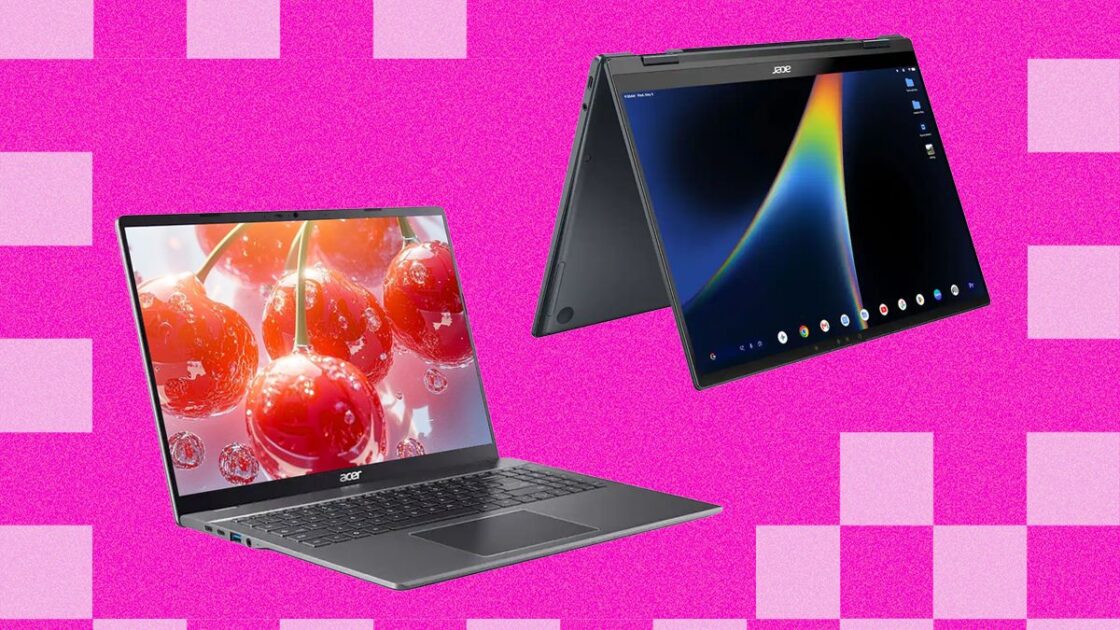
Most consumers still choose Chromebooks primarily for their affordability, continuing their tradition as cheaper alternatives to PCs and Macs. Topping the budget list is the Acer Chromebook Plus 516, which frequently sells for under $500 and drops to around $350 on sale. It pairs an Intel Core i3 processor with 8 GB of RAM and 128 GB of storage, featuring a smooth, responsive touchpad. Its main weakness is a desaturated, low-sharpness 16-inch screen, but it offers exceptional value for usability and performance.
For even lower budgets, the Asus Chromebook CX14 and CX15 occasionally drop to $130. These non-Plus models offer configurable lower-end specifications. The 14-inch version is preferred over the CX15 because it avoids the off-center touchpad and number pad. While the CX14 suffers from a dim 250-nit display and a 720p webcam, it provides a thin chassis, comfortable keyboard, and decent daily usability for its price point. Buyers are advised to avoid purchasing extremely cheap, outdated $100 legacy models on online marketplaces.
Googlebooks Versus Traditional Chromebooks
Googlebooks run a custom version of Android called Googlebook OS that behaves similarly to Chrome OS. Unlike standard Chromebooks, Googlebooks feature the full Chrome web browser which updates independently from the operating system, and they run Google Play Android apps natively. Integration with Android is a major highlight, enabling easy text messaging and direct phone app control for users of devices like Google Pixel. They also come bundled with a year of Google Gemini AI features.
Hardware specifications on Googlebooks are significantly higher, with all available models offering 16 GB of RAM and 512 GB of storage. However, high starting prices pose a major hurdle. The Acer Googlebook 14 is the most affordable option, featuring an OLED display with a 2880 x 1800 resolution and a 120-Hz refresh rate. The runner-up, the Dell XPS Googlebook, offers high-end design, portability, and a smaller 13-inch screen using the latest Dell XPS 13 chassis, though it lacks a headphone jack.
Performance and Software Limitations
The Acer and Dell Googlebooks utilize the Qualcomm Snapdragon X Elite processor, while HP and Asus models rely on Intel chips. Despite efficient Snapdragon processors, Googlebooks fall short of Windows battery life and trail the MacBook Air in speed tests like Speedometer 3.1. Software bugs are also prevalent, including Chrome extensions failing to load on Intel models and slow Android app performance.
Compatibility remains an issue because many Android apps lack proper optimization for keyboards and touchpads, leading users to rely on browser web apps instead. Furthermore, the mandatory inclusion of 16 GB of RAM and large storage drives drives up starting prices, preventing Googlebooks from matching the economic appeal of traditional Chromebooks.
Alternative Hybrid Choices and Standout Models
The Acer Chromebook Plus Spin 514 bridges the gap by offering premium Googlebook-like hardware at a lower price. It features a 0.61-inch thick white chassis, a MediaTek Kompanio Ultra 910 processor for long battery life, 12 GB of RAM, extra ports, and support for up to three 4K monitors. Google has indicated that some current Chromebooks will eventually upgrade to Googlebook OS, making this model a likely candidate.
Other notable models from past testing include the Lenovo Chromebook Plus 14, praised for its OLED screen and solid performance, though its price has risen to $999, making a Googlebook a better investment at that tier. Additionally, the Asus Chromebook Plus CX34 offers a durable white plastic shell and responsive hardware for $479, despite featuring a cramped 16:9 display and lacking a backlit keyboard.
Daniel Thorp-Lancaster reported these findings after testing major laptop releases across various price spectrums.