Table of Contents
A debate in Alaska over two Senate candidates with nearly identical names has brought widespread attention to an alternative voting system known as ranked-choice voting. While only Alaska and Maine use this system statewide, major US cities like New York have also embraced the practice as midterm elections approach.
How Does Ranked-Choice Voting Work?
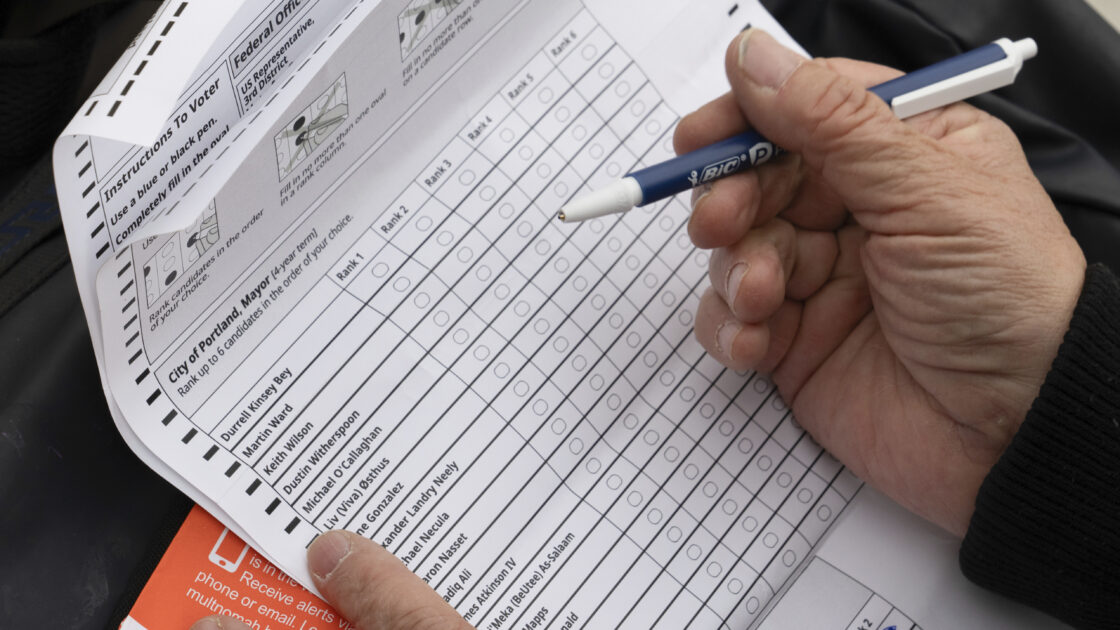
Instead of choosing just a single candidate, voters using ranked-choice ballots number candidates in order of preference. If any candidate receives more than 50 percent of the first-choice votes, that person immediately wins the election.
If no candidate manages to secure a majority, the candidate with the fewest votes is eliminated from the race. Ballots cast for that eliminated candidate are then redistributed to the remaining candidates based on the voters’ next-ranked choices, and votes are counted again. This redistribution process continues in successive rounds until a single candidate achieves a majority of the remaining votes. If a voter chooses to rank only one candidate and that individual gets eliminated, the ballot becomes inactive and cannot transfer to anyone else.
Unlike traditional runoff elections that require voters to head back to the polls for a secondary vote, ranked-choice voting determines the winner through multiple rounds of counting during a single election event.
What Are the Benefits and Downsides?
Proponents argue that ranked-choice voting frees people from voting pragmatically out of fear that their preferred candidate cannot win. Supporters state the system lets citizens back their favorite candidate without worrying about “wasting” a vote. Advocates also believe it minimizes the spoiler effect, where a third-party or lesser-known candidate pulls votes away from a major-party contender with similar views, while encouraging diverse viewpoints and candidate cooperation.
Conversely, critics contend that ranked-choice ballots complicate both the voting process and vote-counting procedures. Opponents fear the system could slow down final election results and erode public confidence in the outcomes. A 2025 study published in the journal Political Behavior highlighted data showing that 4.8 percent of ranked-choice ballots contain improper markings, though not all of those errors result in invalidated ballots.
Why Do Alaska and Maine Use Ranked-Choice Voting?
Maine adopted ranked-choice voting in 2016 due to worries about candidates winning elections without majority support, first applying it during congressional elections in 2018. Meanwhile, Alaska voters approved the method via a 2020 ballot initiative, utilizing open primaries where all candidates compete and the top four advance to a ranked-choice general election.
Ranked-choice voting is also utilized in various local elections across the United States, including San Francisco and New York City. Hawaii applies the system for specific special elections, and Washington, DC, approved its use for local and federal elections starting in 2026. Virginia additionally approved legislation earlier in the year to expand ranked-choice voting use.
However, the system faces resistance nationwide. According to the National Conference of State Legislatures, approximately 19 states currently maintain laws that restrict or entirely prohibit ranked-choice voting.
Will Ranked-Choice Voting Affect Alaska’s Senate Race?
The system faces intense scrutiny in Alaska’s Senate race because two candidates named Dan Sullivan appear on the ballot. The incumbent, Senator Dan S Sullivan, is listed as a registered Republican, while his opponent, retired teacher Daniel J Sullivan Jr, has no party identification next to his name.
The inclusion of the second candidate sparked controversy following a New York Times report suggesting Democrats may have recruited him as a spoiler. Republicans expressed worry that the similar names could confuse voters and siphon support away from the senator, though the teacher insisted his candidacy is genuine and the Alaska Supreme Court permitted both to remain on the ballot in June.
Donald Trump filed a lawsuit against Alaska to block the certification of Senate election results if the incumbent senator loses, arguing voter confusion could alter the outcome. State officials and Democrats are challenging the lawsuit, which has raised concerns regarding potential federal intervention in state-administered election counts under the US Constitution.