Table of Contents
As November arrives as the final full month of autumn, the end of daylight saving time brings earlier sunsets and gives skygazers extended evening hours to observe celestial highlights. Every planet will be visible during the month, alongside multiple meteor showers, planetary alignments, and a supermoon closing out November.
Visibility of the Planets
Mercury and Venus remain the most challenging planets to spot because of their close proximity to the sun. Mercury starts November too close to the sun but reaches western elongation on Nov. 20, making it easily visible just before sunrise for the rest of the month. Venus is visible every November morning just ahead of the sun and grows easier to observe as the month progresses.
Mars rides high in the sky all month, rising shortly after midnight initially and earlier as weeks pass, making early mornings ideal. Jupiter partners closely with Mars throughout November, rising together with the star Regulus to form a naked-eye trio. Saturn remains visible every night in the eastern sky at sunset, though binoculars or a telescope are needed to see its rings properly. Neptune follows a similar trajectory to Saturn and also requires optical aid, while Uranus stays in the night sky daily, reaching opposition on Nov. 25 for optimal visibility with binoculars or a telescope.
Early November Alignments and Southern Taurids
The month begins on Nov. 2 and Nov. 3 with a close meetup of the moon, Mars, Jupiter, and Regulus, all visible to the naked eye. Meanwhile, the Southern Taurids meteor shower peaks on the evening of Nov. 4 and morning of Nov. 5 under favorable conditions with a 22% illuminated moon, averaging about five meteors per hour while frequently producing bright fireballs.
A new moon arrives on Nov. 9, creating the darkest night of the month and optimal conditions for stargazing and night-sky photography. This date also marks Carl Sagan Day, presenting an opportunity to watch the Cosmos series online. Later, the Northern Taurids peak on Nov. 11 and Nov. 12 under even darker skies with a 5% illuminated moon, sharing the same comet source, 2P/Encke, and fire-ball potential as the Southern Taurids.
Mid-Month Planet Parade and Leonids
A four-planet alignment featuring Mercury, Venus, Mars, and Jupiter forms just before sunrise from Nov. 14 through Nov. 25. Mercury provides a narrow 30-minute viewing window before sunrise, with Nov. 20 marking the single best day to view it at western elongation.
The Leonids meteor shower peaks on the evening of Nov. 16 and morning of Nov. 17 near the Leo constellation, requiring night owls to stay up past midnight. Under optimal conditions, it produces about 15 meteors per hour, though a 41%-illuminated moon will create some natural light pollution.
Supermoon and Month-End Planetary Meetup
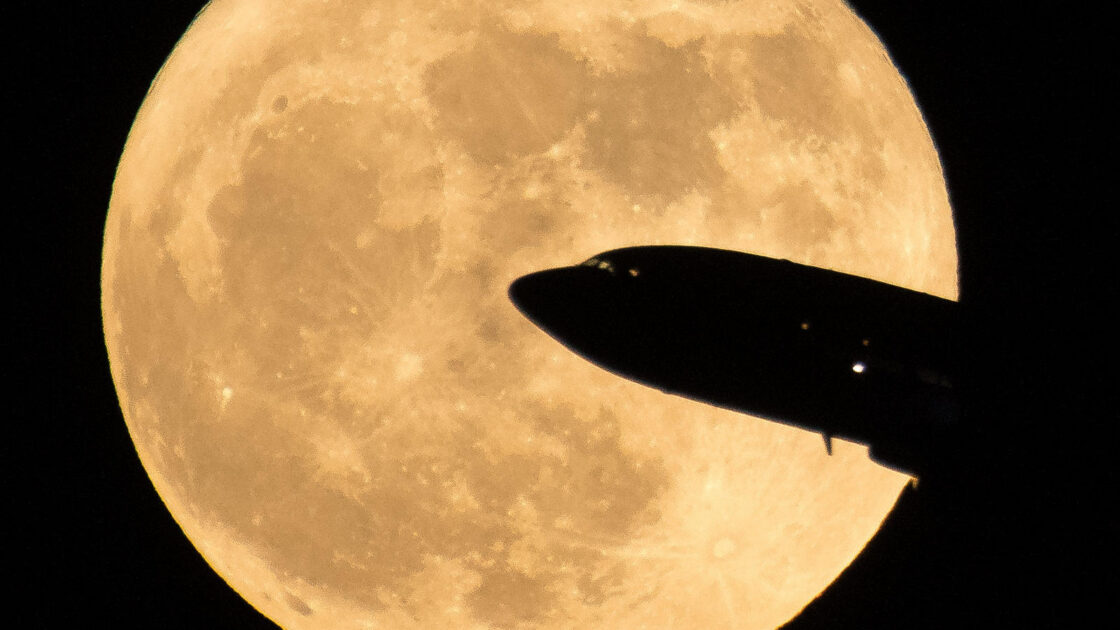
November’s Beaver Moon arrives as a supermoon on Nov. 24 at 9:53 a.m. ET, according to The Old Farmer’s Almanac, appearing about 7% larger and significantly brighter than a regular full moon. Because peak illumination occurs after sunrise in the US, the best viewing times are the nights of Nov. 23 and Nov. 24.
The month concludes on Nov. 30 as Jupiter, Mars, Regulus, and the moon gather for a final single-night meetup visible to the naked eye, with the star Algieba also nearby. Throughout November, seasonal constellations like Taurus, Pegasus, and Aries shift into view alongside asterisms such as the Pleiades and the Winter Triangle.