Table of Contents
A school shooting in central Serbia has renewed concerns about firearm availability, social media warning signs, and systemic failures following a wave of similar violence across the Balkans. A 17-year-old suspect shot and wounded two school staff members at the First Technical School in Kragujevac, located about 145km south of Belgrade.
What Happened in Kragujevac
The shooting began at about 8am during the first class of the day. According to the Kragujevac Police Department, a 17-year-old fourth-year student identified by his initials V.M. brought a small-caliber rifle into the building and fired a shot toward the security reception desk. A 50-year-old maintenance worker was struck in the leg, while another employee sustained leg injuries from shattered glass. Both female victims received intensive care treatment and are now in a stable condition and out of danger.
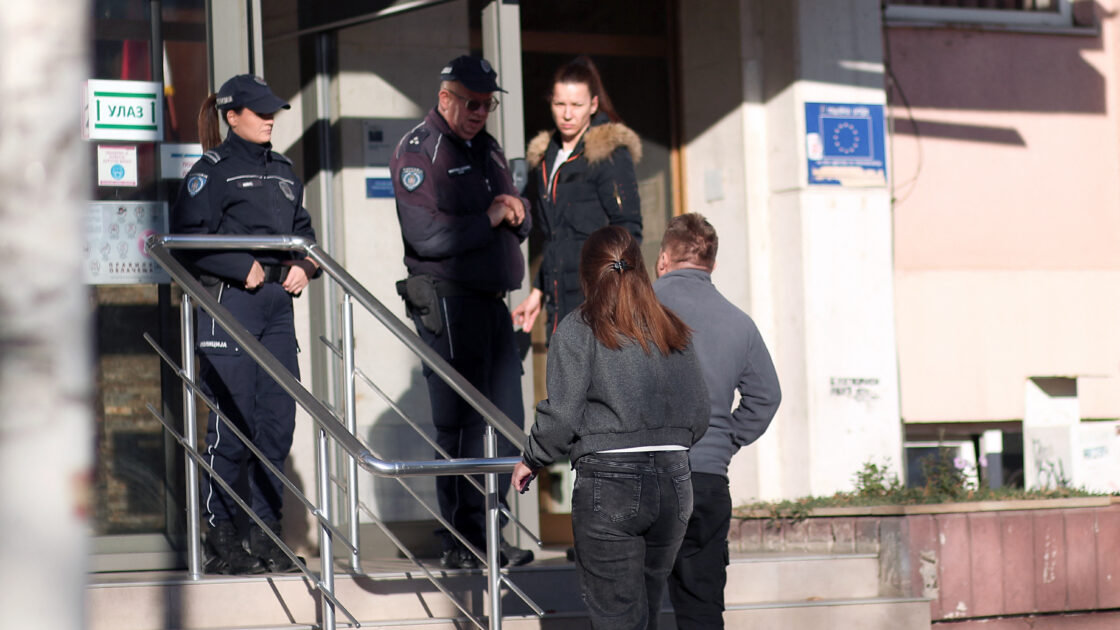
A nearby police patrol responded immediately, disarming and arresting the teenager while students and teachers were safely evacuated. A juvenile judge at the Higher Court in Kragujevac ordered a 30-day detention for the suspect. The Higher Public Prosecutor’s Office charged him with attempted aggravated murder and illegal possession and carrying of firearms, and his father was also arrested for allegedly keeping the rifle at home without a permit.
The school’s head teacher, Nemanja Joksimovic, and graduating students described the suspect as quiet with no history of disciplinary issues. Following the event, the school shortened class schedules and deployed counsellors and psychologists.
Online Vigilance and Prevention Measures
Local media reported that the suspect posted a photo posing with a rifle on social media hours before the attack, raising questions about online vigilance. Criminology and safety studies professor Nedzad Korajlic stated that students seeing such posts should immediately inform a parent, teacher, or trusted adult, and report specific threats or immediate danger to police and school leadership rather than forwarding them in group chats. Korajlic told Al Jazeera that adolescents often dismiss such posts or do not know who to contact, making it vital for schools to establish clear, confidential reporting protocols.
Governments across the Western Balkans have previously introduced school police officers, tightened entry controls, and installed security cameras. However, Korajlic emphasized that prevention remains key, suggesting schools assign designated safety officers and staff to evaluate reports, notify law enforcement immediately when firearms or explicit threats are involved, and integrate social and health services.
The Kragujevac attack underscores the broader issue of widespread civilian firearm ownership in the region, stemming from legal weapons and unregistered arms left over from the 1990s Yugoslav wars. Korajlic stressed that weapon storage regulations must be strictly enforced by locking away firearms, keeping ammunition separately, and ensuring keys or codes are inaccessible to minors.
Psychologist Goran Tomin told Serbia’s Beta news agency that shootings traumatise school communities, noting that institutional responses and sentencing policies are often too lenient, public discourse features a high tolerance for violence, and school counsellors are overburdened with administrative work. While public officials such as mayor and politician Zarko Micin promised heightened security and pointed to video games while urging parents to monitor media consumption, Korajlic cautioned against reducing complex incidents to media consumption without analyzing specific motives, context, and explicit threats.
Recent History of Balkan School Shootings
Several shootings have shaken schools in Serbia, Bosnia and Herzegovina, and Croatia over the past three years. The worst incident occurred in May 2023 at the Vladislav Ribnikar Elementary School in Belgrade, where a 13-year-old student used his father’s handgun to kill nine classmates and a security guard, and wound a teacher and five other students. Due to his age, he was placed in a psychiatric facility, while his father received a 14-and-a-half-year prison sentence and his mother a three-year sentence.
Weeks later in Bosnia, a former student entered Lukavac Grad Elementary School with a firearm and critically wounded an English teacher. The suspect was sentenced to a juvenile correctional facility, and his father was prosecuted for illegal weapon possession and child neglect. In August 2024, a school custodian armed with an automatic rifle killed three staff members, including the head teacher, at the Sanski Most Mixed Secondary School before attempting suicide. The 61-year-old suspect was indicted for triple murder and illegal weapons possession.
The violence also extended to Croatia in December 2024, when a 19-year-old former pupil entered Precko Elementary School in Zagreb with a knife, killing a seven-year-old pupil and severely injuring a teacher and three children. The suspect was charged with aggravated murder and attempted murder, prompting Croatian authorities to mandate locked school doors and professional security personnel.
Korajlic told Al Jazeera that true safety will remain out of reach until early prevention, youth mental health support, and strict home firearm controls are prioritized across society.