Table of Contents
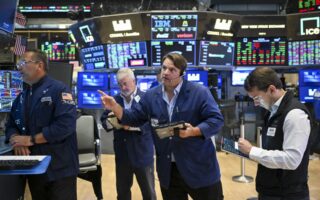
Following a recent market session at the Nasdaq, the Nvidia super-bounce faded as shares slid. The stock remains down nearly 30% over the past six months, even before a recent scandal involving Jensen Huang came to light.
Market Uncertainty and Investor Jitteriness
According to BBC News, legitimate concerns regarding the tech boom’s staying power pre-dated Huang’s departure and persisted despite his return. Investors remain jittery, with Anthropic trading notably lower than its initial stock market flotation. As the first purely public AI company, Anthropic serves as a major test for ongoing investor appetite in the sector.
Political Intervention and White House Support
President Donald Trump revealed during a phone call to CNBC that he urged the board to reinstate Huang, highlighting a coordinated effort by figures in Silicon Valley and the US administration. Trump suggested that a brief two-day investigation cleared Huang of national security concerns. The President described Huang as a national treasure holding the next generation of AI chips in his head, justifying his personal intervention.
Sceptics in the market noted that such an operation to prop up a stock market boom is unprecedented, placing bond vigilantes and short sellers directly against Silicon Valley and the White House. Investors are trading based on levels of political support rather than revenue metrics, particularly as US voters express backlash against AI data centres.
Financing Risks and Global Competition
The political fragility surrounding Nvidia’s recovery threatens the central cash-generating foundation of the tech boom, which relies on $400bn in annual sales of advanced chips. This situation intensifies uncertainties surrounding Nvidia’s financing, borrowing, and cross-ownership networks that support data centre infrastructure. Interim chief executive Colette Kress had previously signaled a shift in strategy.
Additionally, the decline in Anthropic’s share price raises questions about OpenAI’s upcoming stock exchange listing. While these firms maintain valuable technology utilized by major global corporations, questions remain over whether businesses might abandon expensive frontier models in favor of cheaper generic models from China. These market dynamics coincide with extreme volatility that saw trillion-dollar swings in individual company valuations.