Table of Contents
Poland plans to establish a no-fly zone near its border with Ukraine by the end of December or early January, as both nations grapple with intensifying aerial attacks, energy infrastructure damage, and shifting diplomatic positions across Europe.
Poland’s Border No-Fly Zone Plan
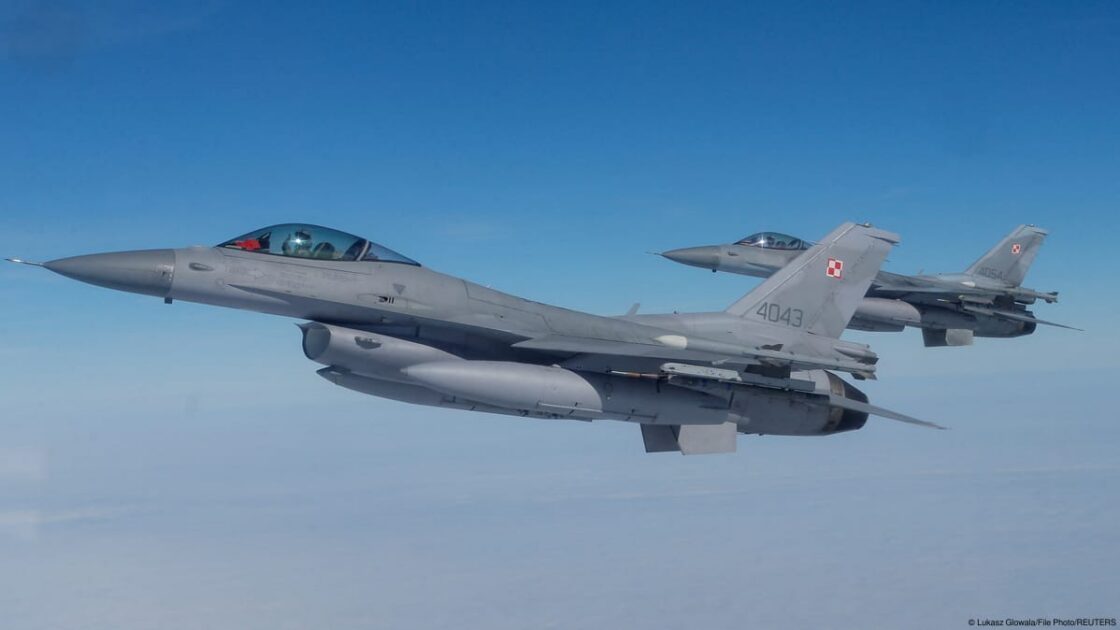
Poland’s Deputy Defense Minister Cezary Tomczyk announced that Warsaw will set up a no-fly zone covering several dozen kilometers of territory inside its border with Ukraine. Speaking on Wednesday, Tomczyk stated that a government ordinance is currently in preparation to take effect in late December or early January. He added that Poland will urge the entire NATO alliance to establish a similar principle along the eastern flank, noting that the Baltic states have already followed Poland’s lead.
Tomczyk also expressed astonishment that the United States has not yet condemned or reacted to repeated Russian drone and missile incursions into Polish airspace in recent days.
Attacks on Energy Infrastructure
Energy infrastructure on both sides suffered heavy damage from overnight strikes as winter sets in. Russian attacks hit a thermal energy power plant, shutting it down, and targeted a gas production facility in Poltawa, where fires also halted operations. Ukraine’s acting energy minister reported power outages across five regions. Meanwhile, Ukrainian drones struck at least two oil refineries in Russia’s Samara region, causing blackouts, large fires, and one death, while the Ukrainian General Staff announced a separate attack on the Savasleyka air base in the Nizhny Novgorod region that damaged three MiG-31 jets and two Su-34 fighter-bombers.
European Reactions and Foreign Policy Positions
German Chancellor Friedrich Merz strongly defended his government’s expenditures on Ukraine aid during a Bundestag budget debate on Wednesday, pushing back against criticism from the Left Party and the Alternative for Germany (AfD). Merz warned that Russia wants more than just Ukraine and is escalating tensions in the Baltic region, Poland, the Black Sea, space, and within Germany itself through sabotage and cyberattacks. He argued that anyone opposed to aiding Ukraine either misunderstands the world or pursues entirely different aims.
In diplomatic developments, Russian Foreign Policy Advisor Yury Ushakov and Russia’s Ambassador to Germany Sergei Nechayev reiterated an invitation for European diplomats to travel to Moscow to clarify their intentions before participating in any peace negotiations, noting that the current European response has been restrained.
Divergent Views on Ukrainian Strikes in Libya
Ukraine’s recent drone attacks on Russian ships off the Libyan coast drew contrasting responses from European allies. French Foreign Minister Jean-Noel Barrot defended Kyiv’s actions during an interview with French broadcaster TF1, stating that Ukraine holds an absolute right to self-defense against ongoing Russian aggression. Conversely, Italian Foreign Minister Antonio Tajani criticized the operation as a mistake that violated Libya’s sovereignty, telling the newspaper Corriere della Sera that Italy was unaware of the planned strikes and had conveyed its concerns to Kyiv while maintaining support for Ukrainian sovereignty.
As the conflict approaches its fifth year, both nations continue targeting cross-border assets, with Ukrainian President Volodymyr Zelenskyy signaling broader strikes on Russian assets abroad.