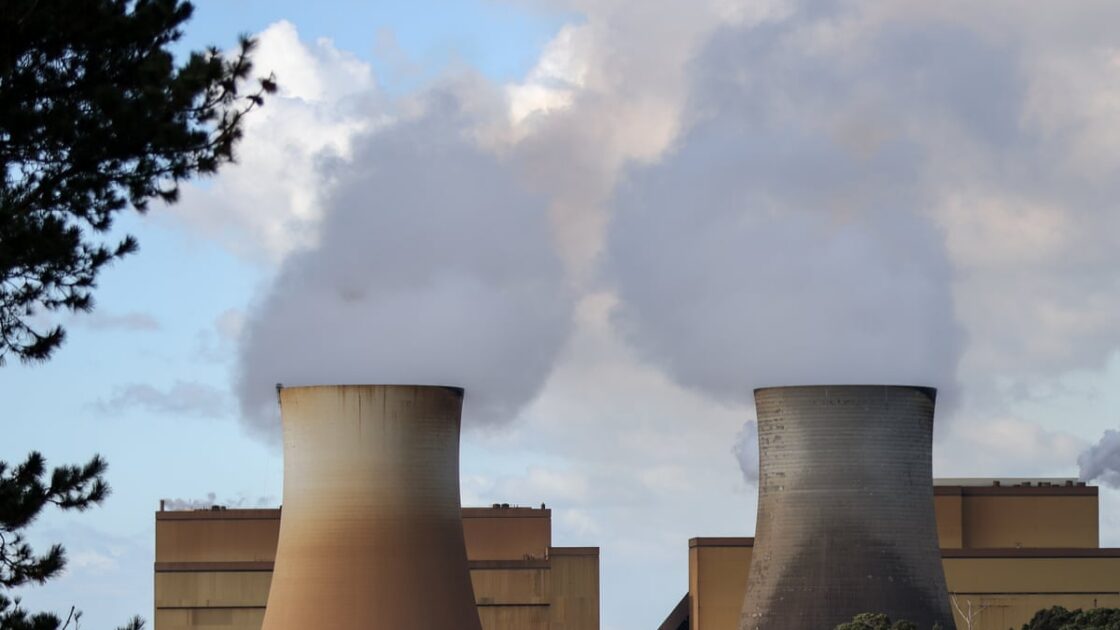
Victoria faces a severe electricity supply gap when the giant Yallourn coal-fired power station shuts down in 2028, with experts warning that neither major political party has an adequate plan to prevent power shortages and bill shocks. The closure of the Latrobe Valley plant, which supplies a fifth of the state’s energy and has operated since the 1970s, comes as energy demand surges due to the electrification of homes and vehicles, alongside rising power use by datacentres.
The Energy Challenge Ahead
Tim Baxter from consultancy Naru Research stated that Victoria has no time for a culture war on energy because poor choices will devastate the state’s economy and drive up costs for households and businesses, as reported by The Guardian. Baxter explained that cheap gas, which historically drove prosperity in Victoria, is rapidly running out as Bass Strait offshore supplies experience a steep decline without meaningful alternative resources. This situation has driven a 62% increase in gas prices over five years alongside an 18% rise in electricity bills.
Because Victorians rely heavily on gas compared to other states, Baxter emphasized that households must transition to renewable energy, noting that every wind farm, solar farm, and battery operational before Yallourn closes will reduce expensive gas consumption and protect consumers from higher bills. Nexa Advisory chief executive Stephanie Bashir added that new transmission infrastructure is critical for developing renewable energy and importing power during heatwaves, warning that projects in the pipeline must not be cancelled.
Party Policies and Criticisms
The Coalition, led by Liberal leader Jess Wilson, has pledged to scrap the VNI West transmission line, pause work on the Western Renewables Link, and conduct a review of the state’s transmission plan while exploring rooftop solar alternatives. The opposition has also promised to open doors for gas exploration, reverse Labor’s all-electric new home mandate, and tender for new firming capacity, although it has not explained how it will meet emission reduction targets of cutting greenhouse gases by 75% to 80% below 2005 levels by 2035 and reaching net zero by 2045.
Environment Victoria chief executive Jono La Nauze criticized the Coalition’s platform as a major swindle on voters, noting it relies on quick slogans for gas while stopping necessary renewable generation and proposing a 2km setback limit for wind turbines near homes. Meanwhile, Oliver Nunn, managing director of Endgame Analytics, stated that Labor is also failing to build infrastructure fast enough to match 5% year-on-year demand growth, concluding that voters lose regardless of who wins the election.
Labor has overseen an increase in renewable energy’s share from 10% to 44% and the expansion of wind and solar farms over 12 years in government. However, the state auditor general reported that key transmission links are behind schedule and will likely miss Yallourn’s closure date, while regional opposition has grown over controversial legislation granting VicGrid and contractors broad land access powers.