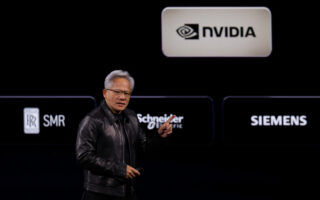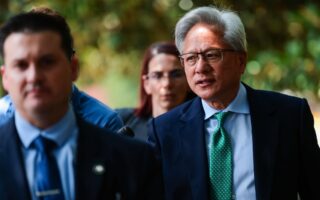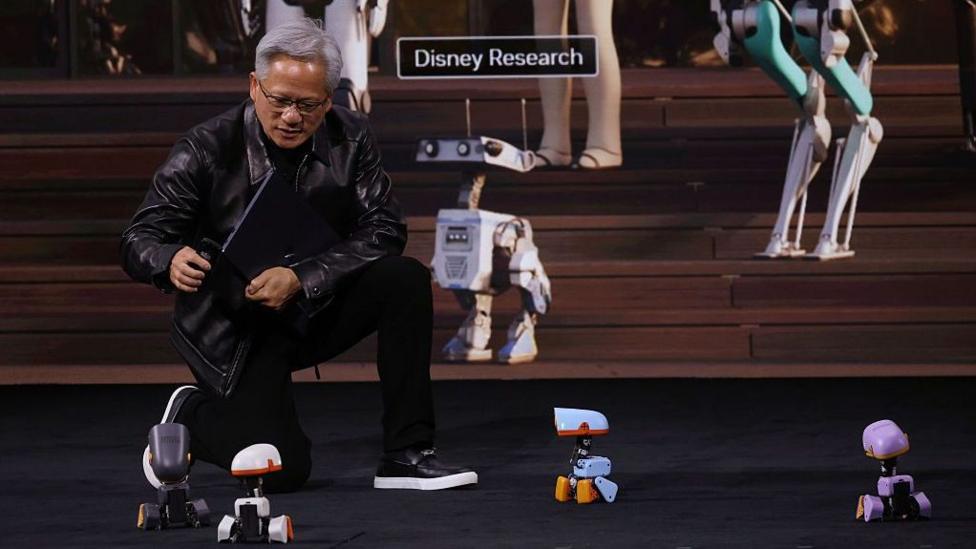
Jensen Huang’s reinstatement as Nvidia CEO has drawn global attention, becoming a top trending topic on China’s Weibo platform. While users celebrated his return with fond references to his public visits, many viewed the development as a vindication for Beijing.
Lessons in Diplomacy and Washington’s Divides
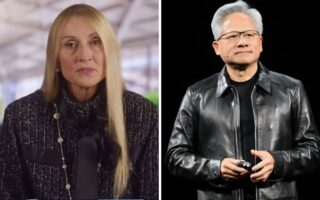
As reported by BBC News, Beijing has dismissed allegations that a woman involved with Jensen Huang was a Chinese state security spy, with state media framing the controversy as a smear campaign by Washington hawks. Following President Donald Trump’s statement that Huang poses no national security threat, Chinese President Xi Jinping is drawing key lessons regarding American political pressure points.
The reappointment arriving shortly after Xi’s meetings with Trump in Shenzhen suggests to Beijing that direct engagement remains an effective tool for influencing Washington. Furthermore, the episode reinforces the belief among Chinese officials that Washington is divided between tech restriction advocates and figures like Huang, who argues that export controls merely prompt Chinese firms like Huawei to develop independent alternatives.
Trade Talks and Ongoing Restrictions
Despite Huang’s return, advanced chip sales remain a major point of contention ahead of an expected December meeting between Trump and Xi. The US Bureau of Industry and Security is implementing stricter regulations to prevent Chinese firms from utilizing overseas data center computing power in countries such as Singapore, Malaysia, and Thailand to bypass restrictions.
Observing Trump’s focus on stock market stability and his personal investment in Nvidia, Beijing may view market sensitivity as leverage. China already controls vital rare earth metals, and any cycle of trade retaliation could significantly impact American industries that rely on these minerals.
The situation remains unresolved as Huang prepares to testify before Congress next month, with both Democratic and Republican lawmakers demanding further answers.