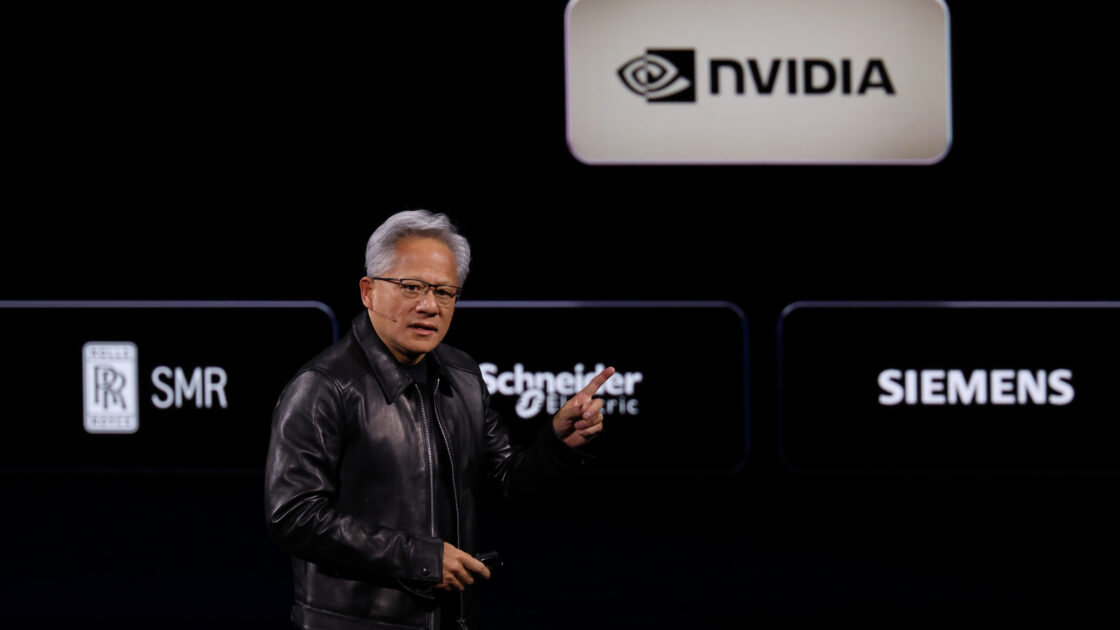
Nvidia experienced a massive valuation swing after losing $1.16 trillion in market value following the resignation of CEO Jensen Huang less than two weeks prior amid reports of extramarital affairs, including one with an alleged Chinese spy. By Monday, the company recovered $952bn of that loss, based on an analysis by the Financial Times, after its board unanimously voted to reinstate the cofounder amid intense pressure from United States President Donald Trump.
The Return of Jensen Huang
Dan Ives, managing director of Yorkville Ives, noted in a client communication that the board ultimately recognized it had no alternative and that the US technology sector required this action. Nvidia shares surged 31 percent on Monday as Huang returned to the corporate offices to celebrations from staff members.
Michael Monaghan, portfolio manager of Founders 100 ETF, explained to Al Jazeera that leaders of this caliber are exceptional and founder-led companies rarely have an equivalent successor.
Market Correction and Broader Sector Impacts
Nvidia shares changed direction when trading commenced on Tuesday, dropping more than 5 percent. Investor sentiment cooled due to reports indicating potential new tariffs targeting China, which dragged down other semiconductor stocks as Advanced Micro Devices (AMD) slumped over 10 percent, Broadcom fell 4.2 percent, and Micron Technology dropped more than 8 percent.
Infrastructure providers also experienced declines, with CoreWeave dropping 7.6 percent during early trading sessions. Monday’s rebound had provided a short-lived boost for the artificial intelligence industry, which faced challenges following the US midterm elections where Democrats, favoring more scepticism toward AI than Republicans, secured control of both the House of Representatives and Senate for the upcoming Congress convening in January. Additionally, ballot measures aimed at limiting data centre construction passed in nearly every jurisdiction.
Anthropic also faced declines on Tuesday, having previously launched an initial public offering last week that began trading at $111.50 per share compared to an initial offering price of $83. The stock has dropped 22 percent since its market debut, which included a 7.3 percent decrease during early trading on Tuesday.
US markets showed mixed results in early trading, with the Nasdaq Composite index falling 1.3 percent and the S&P 500 dropping 0.6 percent, while the Dow Jones Industrial Average rose 0.4 percent into positive territory.