Table of Contents
Homeowners in wildfire-prone regions face a severe crisis in finding affordable and reliable home insurance as destructive fires become more frequent. According to NPR’s Planet Money reporting, the insurance industry is exploring ways to mitigate risks, but homeowners and regulators grapple with skyrocketing costs and broken markets.
Testing Risk Reduction at Destruction Labs
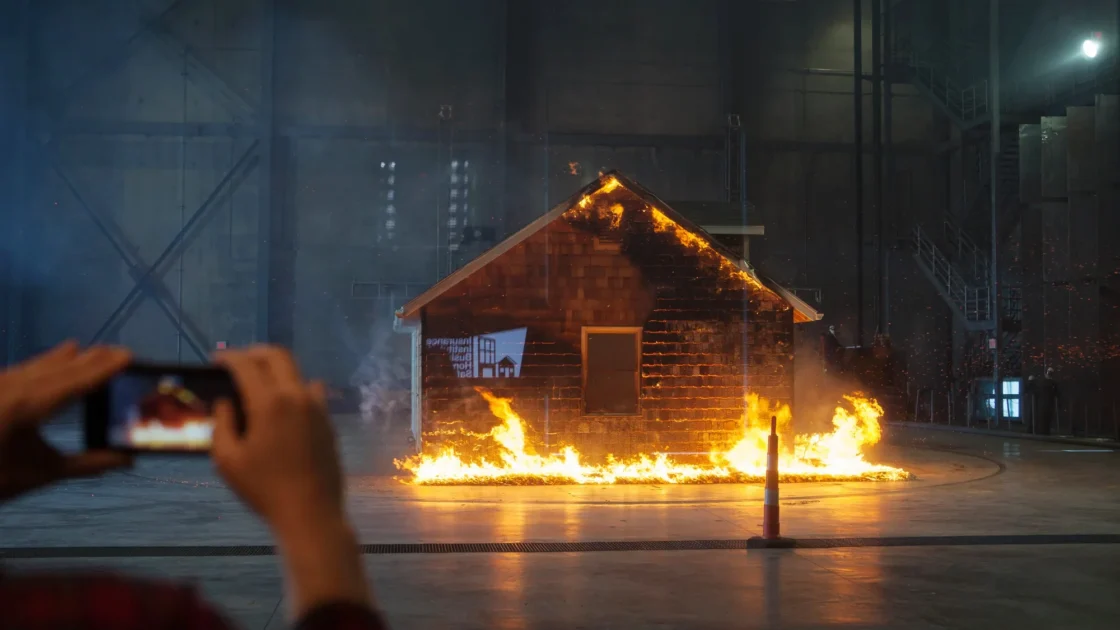
Insurance companies fund destruction laboratories, such as one in South Carolina where researchers use crash-test dummies for houses to analyze how homes survive climate disasters. By intentionally setting mock houses on fire and subjecting them to severe weather, insurers aim to understand risk and determine which building designs limit damage and reduce future payouts. This practice mirrors historical safety experiments by insurer-funded organizations, like early 20th-century tests on electrical wiring and automotive crash testing by the Insurance Institute for Highway Safety.
Moral Hazard and the Challenge of Home Mitigation
Economic moral hazard occurs when insurance coverage reduces a person’s incentive to actively prevent disasters. In wildfire country, high replacement costs can discourage homeowners from investing in expensive upgrades like metal roofs or ember-resistant vents. Furthermore, community safety remains a collective action problem if neighbors fail to harden their properties. While offering insurance discounts for safety upgrades could theoretically incentivize mitigation, residents in Paradise, California, reported that the discounts offered by insurers are minimal, raising questions about market efficiency.
Regulatory Pressures and Higher Prices
California’s insurance regulations have exacerbated the market strain. Proposition 103, enacted in 1988, required state approval for rate increases and forced insurers to rely on historical wildfire losses rather than forward-looking catastrophe models. UC Berkeley economist Nancy Wallace noted that this regulatory system kept premiums artificially low and encouraged continued development in hazardous zones, ultimately leading insurers to pull out of the market. As coverage disappeared, many homeowners were pushed into the state’s insurer of last resort, the FAIR Plan.
UC San Diego economist Judson Boomhower told NPR that a healed insurance market will likely be signaled by significantly higher prices. Seeking better coverage, some homeowners have transitioned to the non-admitted market, which operates with fewer price restrictions but lacks state-mandated financial backups if an insurer fails. Meanwhile, California adopted new rules in late 2024 permitting insurers to utilize forward-looking catastrophe models in exchange for writing more policies in high-risk areas, with stakeholders hoping for a recovery in the traditional market.