Table of Contents
A federal jury in Los Angeles convicted a 30-year-old man Friday of arson and property destruction charges for starting the deadly Palisades Fire in 2025. The verdict follows a retrial after an earlier case earlier this year ended in a mistrial.
Conviction on Multiple Charges
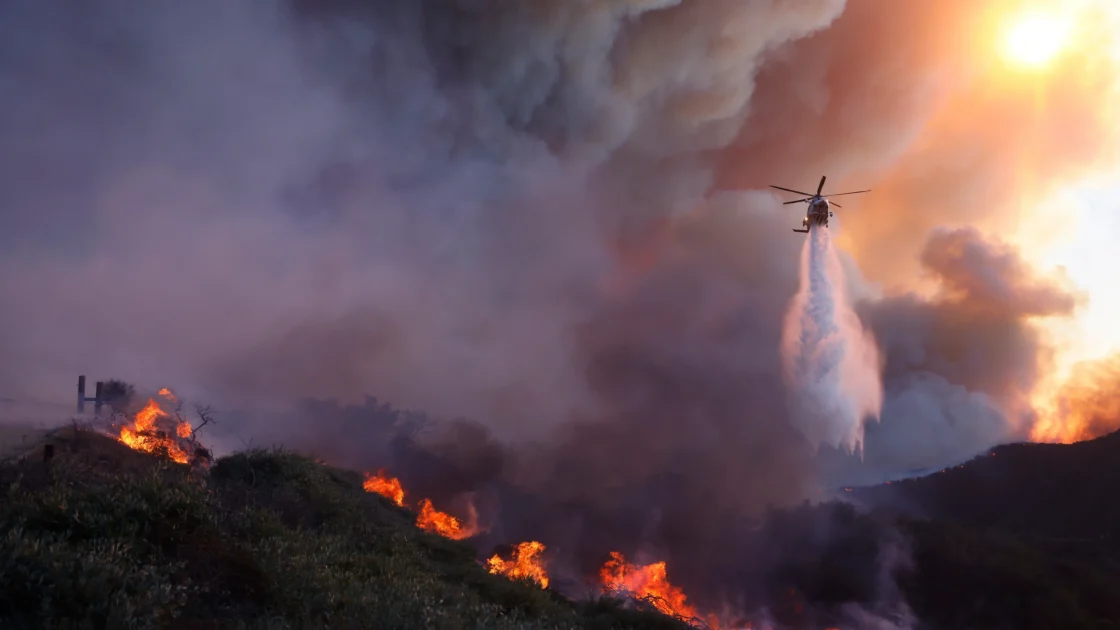
Jurors found Jonathan Rinderknecht guilty of lighting a fire on January 1, 2025, which smoldered undetected in root systems before flaring up on January 7. The resulting disaster became one of the most destructive wildfires in California history, killing 12 people and destroying entire neighborhoods across Los Angeles and Malibu. Rinderknecht had pleaded not guilty to federal charges of destruction of property by means of fire—referencing the initial blaze known as the Lachman Fire—and arson for the Palisades Fire. He hugged his attorneys and showed little reaction as the verdict was read on the third day of deliberations.
Bill Essayli, the top federal prosecutor in Los Angeles, stated that the verdict was a testament to his team’s hard work and expressed satisfaction with the outcome. Meanwhile, defense attorney Steve Haney noted that they were disappointed in the decision but respected the jury process and would review options for an appeal. Rinderknecht is scheduled to be sentenced on March 17, 2027, with each count carrying a mandatory minimum of five years and a maximum of 20 years in federal prison.
Juror Testimony and Prosecution Evidence
During the retrial, prosecutors presented a structured case utilizing digital forensic data, expert witness testimony, and evidence regarding Rinderknecht’s state of mind. Cellphone tower data, photographs of his vehicle near the trailhead, and fire camera images placed him at the origin area. Assistant U.S. Attorney Mark Williams noted that text messages and Uber passenger testimony established that Rinderknecht was angry and erratic prior to the fire. Prosecutors also showed that Rinderknecht called 911 multiple times while walking down the hill and asked ChatGPT whether someone is at fault if a fire starts from cigarettes, which they described as an attempt to build an alibi.
Juror No. 3, identified as Cameron, stated that although he initially favored an acquittal at the start of deliberations, Rinderknecht’s own testimony ultimately convinced him of the defendant’s guilt. Cameron pointed out that Rinderknecht testified to being on the hill that night without smelling smoke or seeing fireworks, while noting that no one else was present. The first trial had ended in a deadlock with a 10-2 vote in favor of acquittal, prompting prosecutors to drop a third charge of setting timber afire for the retrial.
Defense Arguments and Alternate Explanations
The defense argued that the government failed to prove the exact origin of the fire, noting that the area was publicly accessible until the January 7 flare-up. Haney called expert witnesses, including a retired U.S. Forest Service fire investigator, who disputed the government’s origin zone. Prosecutors challenged this expert during cross-examination, though the judge denied a request to strike his testimony.
Haney also pointed to missing cell data records and a neighbor’s testimony about teenagers running from the trailhead to argue that other individuals could have been present. He further suggested that fireworks caused the fire, citing witnesses who heard a loud bang, and urged jurors to ignore character evidence regarding Rinderknecht’s text messages. Prosecutors countered that area cameras captured thousands of images that evening showing no fireworks over the hill where the fire began.