Table of Contents
After years of struggling to maintain a consistent journaling habit, a $110 Polaroid Hi-Print pocket printer has helped the author successfully return to the practice. Inspired by content creators on TikTok, the author found that adding personalized photos to journal pages provided the necessary motivation to keep writing.
Selecting the Right Device
The author established two primary criteria for choosing a printer. First, they preferred a dye sublimation printer over a ZINK (Zero Ink) model. According to the author, dye sublimation technology produces higher quality images by transferring layers of cyan, magenta, and yellow dye, followed by a protective coating. Second, they required the device to use sticky-back paper to avoid the inconvenience of using glue.
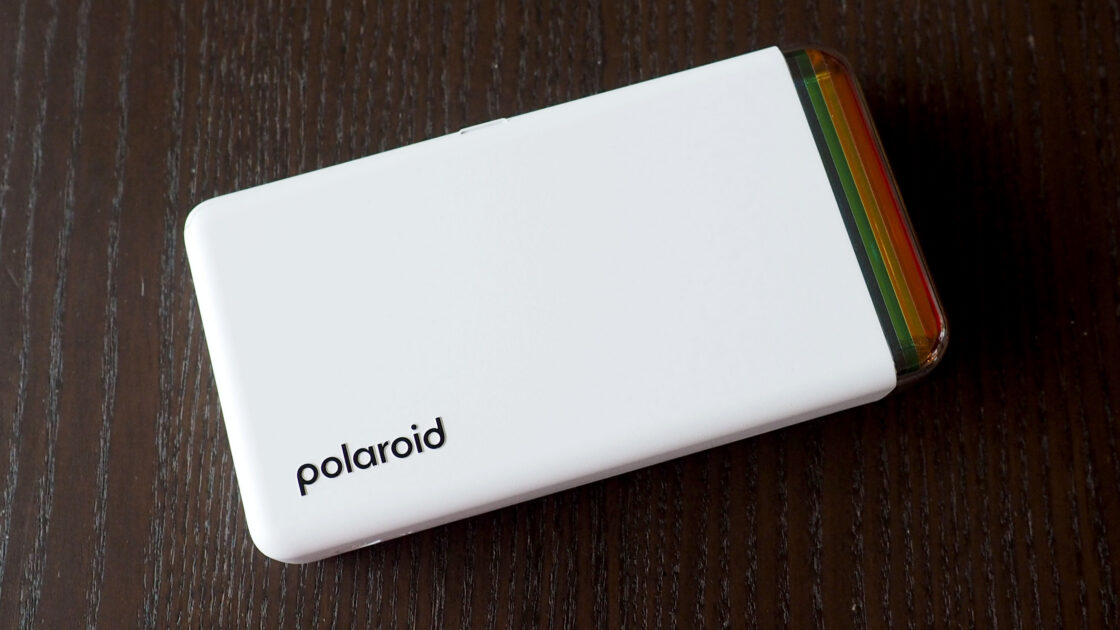
The Polaroid Hi-Print 2×3 Generation 2 was chosen for its aesthetic design and functionality. The starter set includes the printer and two cartridges, each containing 10 sheets of adhesive photo paper. The author noted that the main difference between the Generation 2 model and its predecessor is the inclusion of a USB-C charging port, replacing the older Micro-USB connection.
Performance and User Experience
Setting up the device involves downloading the Polaroid Hi-Print app and pairing it with a smartphone. The app allows users to create collages, add frames, or use a mosaic feature to print a single image across multiple sheets. Because the printer uses dye sublimation, it processes colors in multiple passes, resulting in a print time of approximately 60 seconds per photo.
While the author noted that the contrast could be improved, they described the overall image quality as vibrant, sharp, and exceeding expectations for a pocket-sized device. Additionally, the thinness of the photo sheets is beneficial for journaling, as it prevents the pages from becoming overly bulky.
Considerations and Limitations
Despite the positive experience, there are some drawbacks to the device. The cost of photo cartridges is significant, with a 20-sheet pack retailing for about $17, bringing the cost to nearly 70 cents per print. Bulk purchasing can reduce this price slightly, but expenses can still accumulate quickly for frequent users.
Battery life is another limitation, as the 620mAh battery is rated for approximately 20 printing sessions. While the author finds this acceptable for home use, they noted it may be a concern for those traveling with the device. However, the printer charges relatively quickly, typically taking under an hour to reach full power.
After using the printer for several months, the author remains satisfied with the device. By incorporating these small, personalized prints into their daily entries, they have successfully re-established a creative routine that had been abandoned for years.