Table of Contents
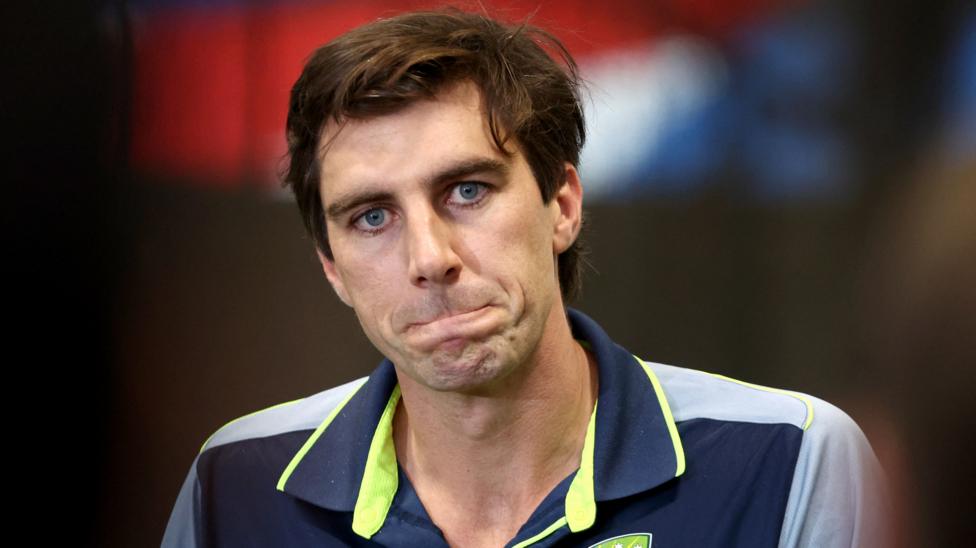
Australia Test captain Pat Cummins faces a critical juncture in his career as renewed fallout from the 2018 sandpaper scandal places intense pressure on his leadership. As a former bowler, it has never seemed remotely plausible that the bowling attack was unaware of the ball-tampering taking place in Cape Town, making this day of reckoning inevitable.
The Reality of Ball-Tampering and Bowlers’ Knowledge
As long as cricket has existed, ball-tampering has been a part of the game, evolving from shining the ball with sweets to the reverse-swing era that required roughing up and drying the ball. However, the ball belongs strictly to the bowling attack as their primary weapon. Just as a bowler would never alter a batsman’s bat, a batsman would not work on the ball without the explicit knowledge of the bowlers.
The reason these revelations did not surface sooner is the fear active players face regarding their careers and futures. Only when players retire or reach the end of their international days do they feel comfortable speaking out. While some suggest that Cameron Bancroft, Steve Smith, and David Warner took the blame for their teammates, Smith as captain should have been in control, Warner devised the plan, and Bancroft executed it, meaning any punishment they received was deserved.
Cummins Under the Spotlight and Future Uncertainty
Attention has now shifted firmly to Pat Cummins, who was a junior bowler during the 2018 incident and has since risen to the national captaincy. While Cummins is regarded as a credible and non-abrasive leader who has worked to improve the team’s image, he missed an opportunity to prove a culture shift during the controversial Jonny Bairstow stumping in the 2023 Ashes Test at Lord’s.
Despite public backing from Cricket Australia, Cummins is scheduled to lead the team in the first Test against New Zealand in Perth on December 9. The build-up to that match promises to be a circus dominated by questions about the sandpaper incident. The immediate litmus test will be the public reaction from the Perth crowd in Bancroft’s home city, alongside relentless pursuit from the Australian media.
Looking further ahead to the following summer’s Ashes tour, where Cummins would face intense media scrutiny and crowd baiting, it is difficult to imagine him continuing in the role. Cummins may ultimately have to decide if he has the stomach to endure the pressure, with resignation without admitting guilt serving as a potential exit strategy to shield his family life and relieve pressure on his fellow bowlers.
Culture, Media, and Accountability
Regardless of Cummins’ decision, deeper questions persist regarding Cricket Australia, the wider sporting culture in the country, and the other individuals present in Cape Town. The 2018 camp appeared to operate under the belief that they were entirely fireproof.
Credit belongs to media manager Kate Hutchison, who reportedly took a stand against the behavior and anticipated the severe consequences of getting caught. Meanwhile, questions remain concerning the coaching staff meant to guide the players, including Darren Lehmann and David Saker, while Cricket Australia’s reluctance to fully engage with the truth leaves the sport facing a prolonged crisis.