Table of Contents
Borussia Dortmund has decided to drop its sponsorship agreement with Germany’s largest arms manufacturer, Rheinmetall, following two years of steady fan pressure and criticism. The Bundesliga club announced that the partnership will not be renewed beyond its expiration in June 2027.
End of the Controversial Partnership
Dortmund chairman Carsten Cramer confirmed the decision on the club’s website ahead of its annual general meeting. He acknowledged that the partnership had faced controversy from the beginning while noting the financial impact of the cancellation. According to Cramer, losing the deal reduces their financial flexibility and requires the club to reprioritize planned investments and find viable solutions.
Michael Schulze von Glaser, a leader of the fan revolt and former head of the German Peace Society, welcomed the outcome but told Deutsche Welle that supporters must remain vigilant. He stated that the decision represented a victory for the fans, though he urged supporters to continue monitoring club activities closely.
Fan Opposition and Core Values
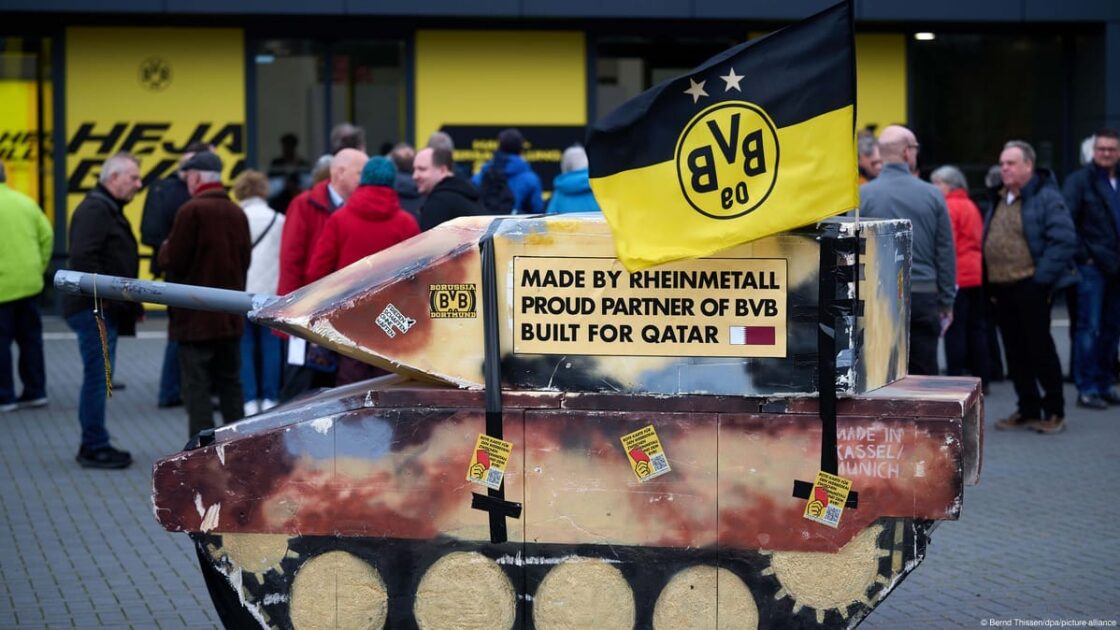
Fans had opposed the partnership since it began in 2024, which placed Rheinmetall’s logo on advertising boards and other surfaces at the 83,000-capacity Westfalenstadion. The agreement was estimated to be worth between 7 million and 9 million euros per year. At the club’s annual general meeting that year, a majority of members voted against the deal in a non-binding vote, which Cramer noted helped inform the final outcome.
Critics argued that platforming an arms manufacturer conflicted with Dortmund’s stated core values, which emphasize a club and society free from discrimination, racism, and violence. Schulze von Glaser criticized the nature of the company’s business and expressed dismay that some fans threw away team merchandise in response to the partnership.
Cramer maintained that he was personally in favor of the deal, but emphasized that Dortmund’s commitment to the 50+1 model—which grants club members majority control—meant management had to listen to the supporters. However, Cramer warned that the Rheinmetall agreement must remain an absolute exception, raising concerns from Schulze von Glaser about ongoing commercial pressures in professional football.
Precedents Across the Bundesliga
Dortmund’s reversal follows similar climbs by other top-flight German clubs facing pushback from supporters. Bayern Munich previously ended a commercial agreement with the tourism arm of the Rwandan government and withdrew from a partnership with Qatar Airways following fan and media pressure. Werder Bremen supporters also raised objections regarding their former shirt sponsor’s factory farming practices, while Union Berlin fans voiced frustration over a real estate sponsor amid rising rent prices.
These tensions highlight the ongoing struggle between commercialization and fan representation within German football, protected largely by the 50+1 rule. Schulze von Glaser emphasized that organized fan culture in Germany possesses the power to influence club decisions when supporters stand together.
Additional reporting by Emmie Eernisse.