Table of Contents
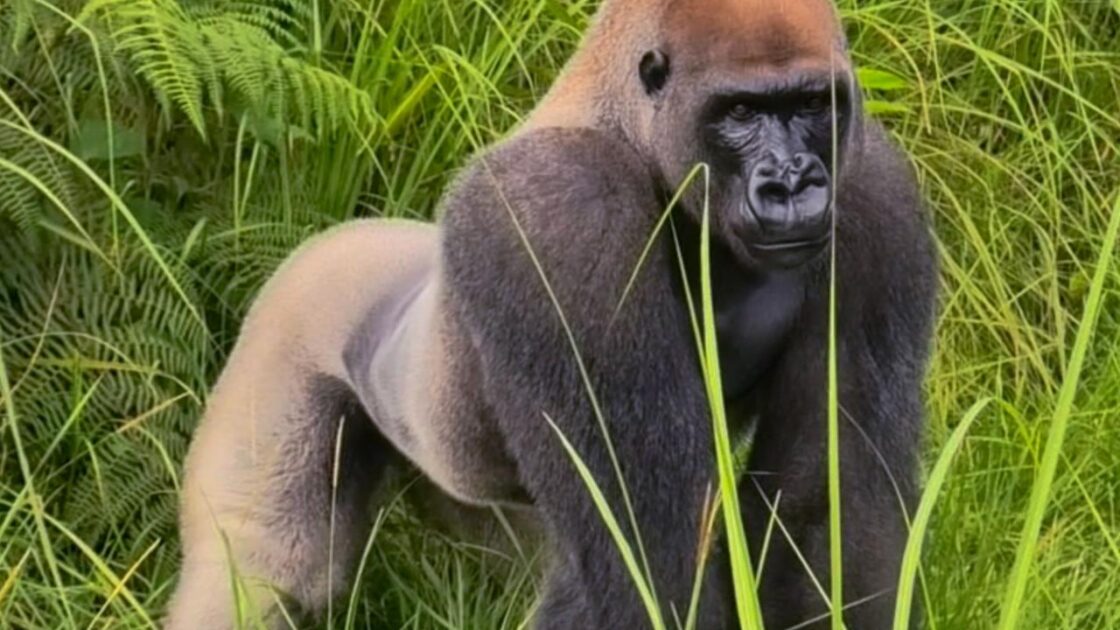
In 2015, a young male gorilla named Jojo took his first tentative steps onto grass after spending nearly his entire life in a tiny cage at a private zoo in Gabon. Poachers had killed his family and captured him as an infant, leaving the now adult ape without any gorilla companions for over a decade.
A history of extreme isolation
Jojo’s carers at the Lekedi Foundation in Gabon want to find him a companion, such as another rescued or zoo-bred gorilla, to bond with. However, bringing a friend into his life presents a complex challenge. Prof Gillian Forrester from the University of Sussex, who is studying Jojo as part of great ape psychology research, told BBC News that he represents perhaps the most extreme case of isolation she has ever seen in a great ape.
Captured when he was less than a year old, Jojo missed the normal developmental period where wild gorillas spend their first 14 to 19 years in an embedded family unit. Maxe Anaclet Makaba, head keeper at Lekedi, stated that Jojo clearly craves human interaction, noting that he gathers leaves for keepers to trade for treats. Éric Willaume, who runs the sanctuary, added that Jojo makes sounds used by wild silverbacks to summon females when familiar women leave his enclosure, showing that he definitely feels lonely.
Trauma and stress in rescued apes
Jojo is among more than 6,000 African primates estimated to have been bought or sold globally between 2000 and 2023, according to the Pan African Sanctuary Alliance. Conservationist Tony King from the Aspinall Foundation explained that baby great apes taken at a young age often lose the will to live if they understand their family was killed, noting that the light goes out in their eyes.
To monitor Jojo’s anxiety and trauma, Forrester used a thermal camera to film his face, revealing a chronically cold nose. This “nasal dip” indicates a malfunctioning stress response where blood flow to the eyes and ears increases for danger while the nose remains temporarily cold. Forrester stated that connecting with others is crucial for great ape psychology, and another individual could help Jojo process his grief and trauma.
The challenges of finding a match
Dr Katie Fawcett from the Grace Center noted that social relationships are also essential if an animal is to be considered for release into the wild, which is the ultimate goal for Jojo’s keepers. Dr Robin Morrison from the University of Zurich explained that friendship and simply sitting together quietly sharing space are key to gorilla society. Despite this, moving an accredited zoo animal requires approval from an international committee based on genetics, health, and compatibility, and previous discussions by Forrester with accredited zoos have stalled due to a lack of clear trans-location processes.
Furthermore, King suggested that because Jojo has reached maturity in his 20s, it might be too late for him to bond with others, and introduction could create additional stress. Morrison added that while about a third of adult male gorillas are solitary in the wild as part of their natural dispersal, Jojo was forced into solitary confinement as an infant, leaving him both traumatized and lonely.
Makaba emphasized that having another gorilla would benefit Jojo because being alone feels like being cut off from the world and imprisoned.