Table of Contents
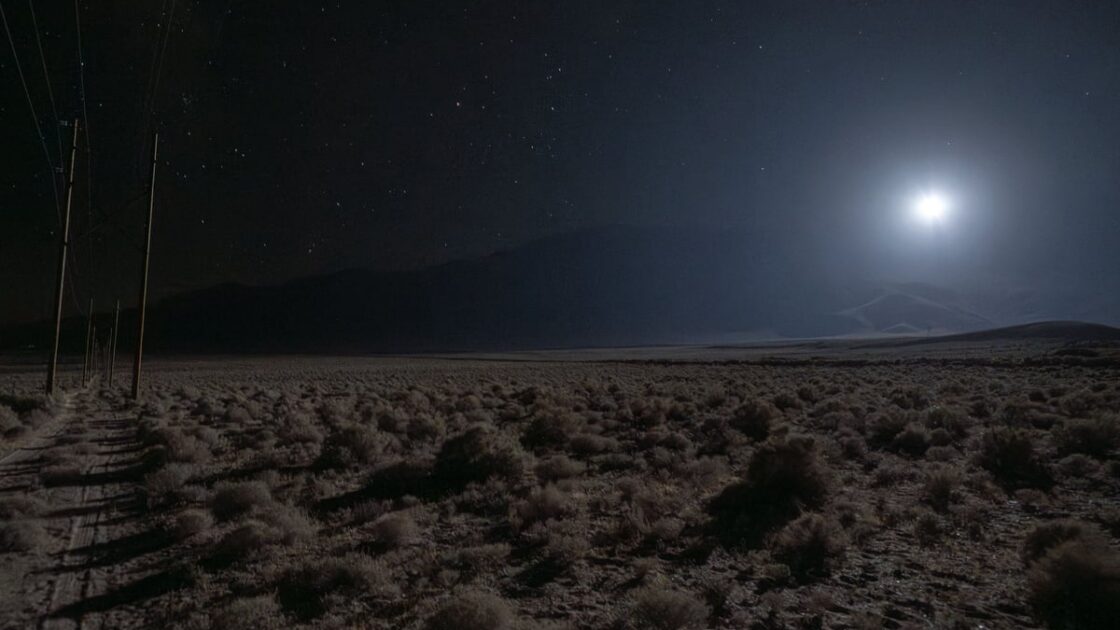
Residents in a rural area of California recently experienced intense light shining down from nearby mountains during the night as part of a demonstration by a US startup. Reflect Orbital aims to launch thousands of space mirrors to reflect sunlight onto the Earth after dark, drawing immediate pushback from environmentalists and astronomers concerned about the disruption to night and day.
The Night-Time Lighting Demonstration
The night-time illumination test took place near the town of Lone Pine in the Sierra Nevada region, where large mobile lights were set up near Mount Whitney. Reflect Orbital compared the radiance to that of a full moon to showcase what its planned satellite technology will look like from the ground.
The company intends to launch 50,000 satellites into space over the next decade. In July, the Federal Communications Commission (FCC) approved a proposal to launch an initial demonstration satellite next year. This satellite will orbit the Earth and use a 59ft-diameter mirror to reflect sunlight in 3-mile-wide beams ranging from moonlight intensity to the brightness of the noon sun.
Reflect Orbital stated that the technology is designed to assist search-and-rescue teams and emergency responders at night, as well as provide solar power for military operations, bathe crops in sunlight, and replace broken streetlights through a mobile application. The recent California test was conducted in partnership with a local search-and-rescue team.
A spokesperson for Reflect Orbital stated that search-and-rescue teams are anticipated to be their initial customers, and the company plans to continue working closely with local communities and authorities wherever they operate.
Criticism from Environmentalists and Astronomers
A coalition of environmental groups and astronomers strongly criticized the company and the FCC, warning that altering the natural cycle of night and day threatens wildlife, human sleep, and stargazing. Jan Hasselman, a senior attorney with Earthjustice, called the initiative an idiotic project with numerous unresolved questions and significant potential impacts.
In August, four groups represented by Earthjustice formally asked the FCC to reconsider its approval. The coalition cited concerns regarding satellites ascending to about 400 miles above the Earth’s surface to reflect light back down.
Scientists noted that animals such as birds, insects, and mammals depend on consistent shifts between day and night for feeding, sheltering, and mating. Furthermore, astronomers warned that night-time glare would exacerbate existing light pollution and obscure stars, while also contributing to space debris.
Health concerns were also raised regarding the disruption of human circadian rhythms and potential eye damage from looking directly at the glaring nocturnal light.
Company Defense and Climate Warnings
Reflect Orbital defended its technology by stating it will benefit the environment by increasing the energy output of solar panels when illuminated at night, thereby decreasing reliance on fossil fuels. The company added that it has engaged in substantive discussions with scientists and astronomers to ensure areas like national parks, astronomical sites, and wildlife-rich locations are avoided.
However, climate scientists have cautioned against manipulating the amount of solar energy reaching the planet. David Ho, a climate scientist at the University of Hawaii, warned against increasing the planet’s heat intake through redirected solar energy.
Reflect Orbital stated that it welcomes regulatory oversight and considers it a responsibility to collaborate with governments, scientists, and regulators.