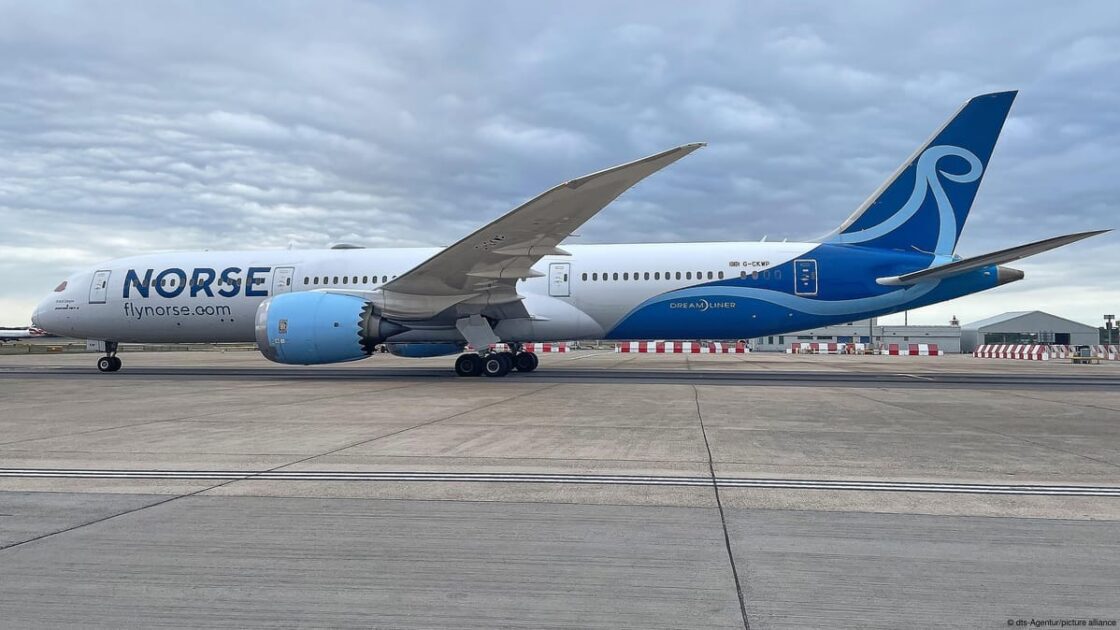
Norwegian low-cost, long-haul airline Norse Atlantic’s operating unit declared bankruptcy on Friday. The carrier had previously warned on Wednesday that its financial situation was critical, subsequently suspending all flights the following day while seeking emergency funding.
Bankruptcy Filing and Fleet Status
The airline stated earlier on Friday that its lessors had terminated leasing contracts for all 12 aircraft in the fleet and demanded the planes be returned. Although the company initially planned to contest this claim, the announcement of the bankruptcy filing followed shortly after.
According to a statement from Norse CEO Eivind Roald, reported by Deutsche Welle: DW.com, the board made the difficult decision to file for bankruptcy despite extensive efforts to find a solution. Other companies in the group, including the parent company Norse Atlantic ASA and the Norse Atlantic UK subsidiary, are excluded from the filing and are still trying to stay in business.
Roald noted that the board, management, and advisers of the listed entity and the UK subsidiary are working to find a solution for the remaining part of the business to continue operations. The company previously reported a net loss of $61.9 million (€56.5 million) in 2025, prior to the economic pressures brought on by the war in Iran.
Impact of the Conflict in Iran on Aviation
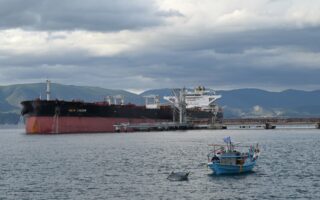
Aviation in general is facing severe problems amid global fuel delivery strains caused by the conflict in the Gulf, with small and lower-cost airlines struggling in particular. Following US attacks on Iran in early 2026 and reduced traffic through the Strait of Hormuz, aviation fuel prices rapidly spiked and more than doubled at their peak.
Fuel prices rose higher than levels seen immediately after Russia’s full-scale invasion of Ukraine in 2022. While prices dipped in mid-summer amid hopes of a resolution, they increased again as hopes faded and a stalemate developed, creating the worst crisis for the industry since the COVID pandemic reduced air traffic in 2020.