Table of Contents
Cricket Australia (CA) is likely to uncover uncomfortable truths through its newly established forum into the 2018 ball-tampering scandal, according to former England captain Michael Vaughan. CA has invited evidence into the controversy surrounding Australia’s Test against South Africa in Cape Town following weeks of renewed speculation regarding who was involved.
The Inquiry and Public Transparency
Speaking to the Test Match Special podcast, Vaughan said that Cricket Australia is going to find some things out that they are probably not going to want to find out. He added that if they do not release the truth of what they find in this forum out to the public, the sport will return to square one. The controversy was reignited recently by claims published in the autobiography of former Australia batter Usman Khawaja.
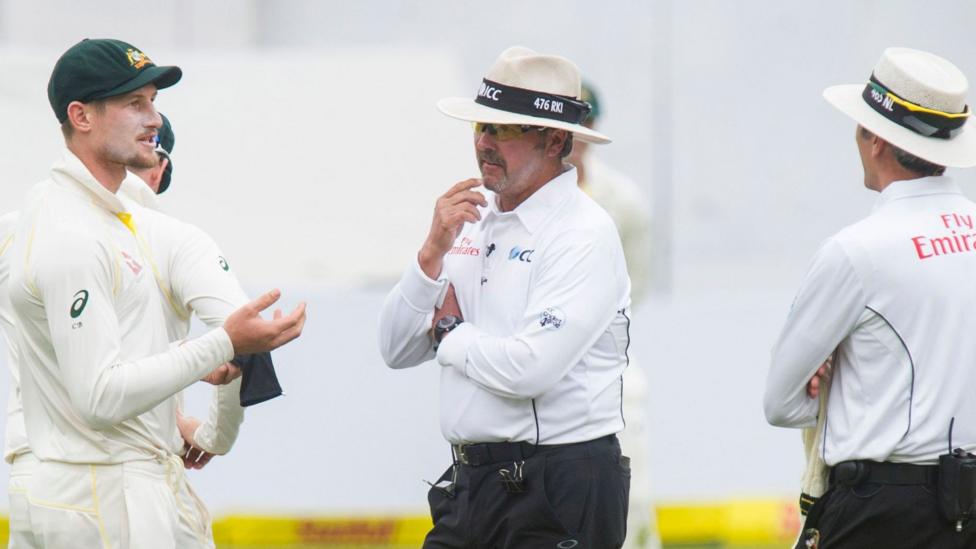
At the time of the 2018 incident, only batter Cameron Bancroft, then-captain Steve Smith, and his deputy David Warner were punished for the cheating plot. Khawaja alleged that all players and coaches knew about the tampering and should have taken responsibility, a testimony supported by Bancroft, Warner, and squad members Chadd Sayers and Jon Holland. Meanwhile, former coach Darren Lehmann and Australia captain Pat Cummins have denied knowledge or involvement.
Expansion to the 2017-18 Ashes
In an effort to calm the row engulfing Australian sport, CA has established a six-week forum for players, coaches, and staff involved in 2018 to give evidence to senior counsel Fiona McLeod. While McLeod will publish her findings and CA will issue a public response, the evidence will remain confidential, with no new attribution of responsibility and no further sanctions. The scope of the forum also extends to the Australian home season prior to the South Africa tour, which included a 4-0 Ashes victory against England.
Former England opener and captain Sir Alastair Cook wrote in his 2019 autobiography that the tourists had suspicions about how Australia moved the ball, noting that Warner later admitted to using substances attached to hand strapping in domestic matches. Cook’s suspicions centered on the third Test in Perth, where heavy overnight rain delayed the fifth day. When play resumed on a wet outfield—conditions that usually prevent reverse swing—Cook claimed Australia achieved an inordinate amount of reverse swing.
Former England batter Dawid Malan, who scored 383 runs in that series, told BBC Sport that the ball moved significantly on a wet day. While stating he was not accusing anyone, Malan noted that the ball swung much more in that series and wondered if things had started then. Commenting on the expanded probe, Vaughan stated that from his cricket experience and a cynical look at the past, he does not believe more people could have been unaware of what was happening to the ball.
The Question of Punishments
Despite potential implications for the historic Ashes series result, the England and Wales Cricket Board has not contacted CA regarding the forum and has no plans to do so. CA chair David Boon announced the forum by emphasizing that it will not seek to sanction or recriminate.
Vaughan agreed that the governing body should avoid imposing new punishments, noting that punishments cannot be retroactively applied and that the initial penalties were already severe for the three players and former coach Darren Lehmann. He added that the tampering itself is nearly the smallest part of the story now, expressing skepticism toward those claiming they had no clue sandpaper was used.