Table of Contents
Consumer goods like automobiles and smart televisions are increasingly losing their reliability and durability, leaving many shoppers frustrated with products that break down faster than older generations of goods.
The Trade-Off Between Price and Longevity
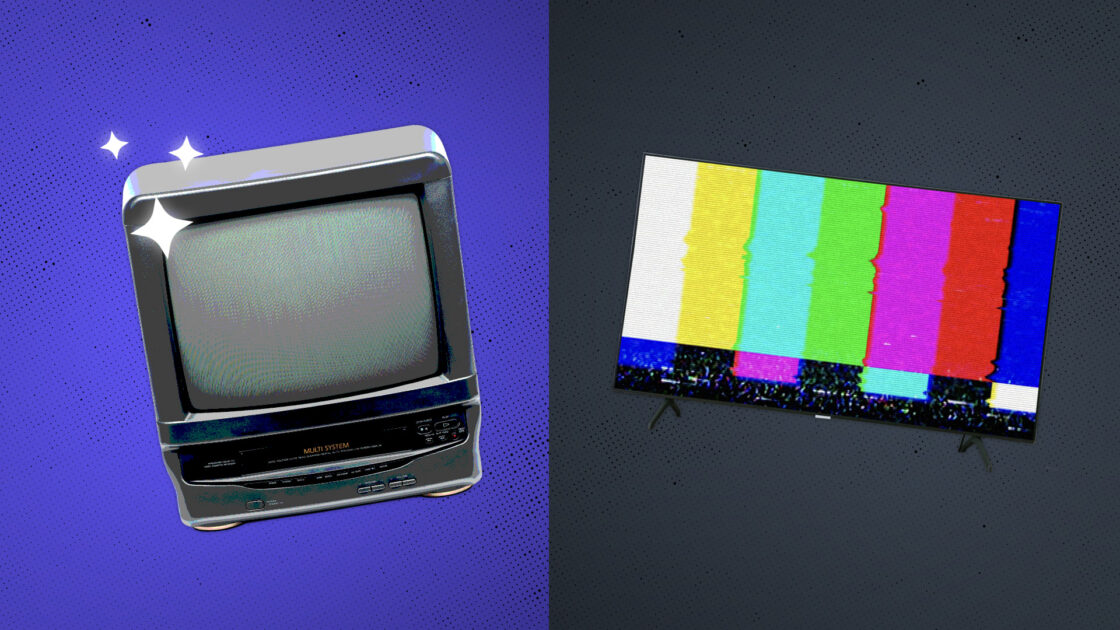
Quality involves more than just durability, as aesthetics and performance also matter to buyers. Justin Sirotin, an industrial design professor at the Rhode Island School of Design, explains that while today’s television may not last as long as older models, it is typically larger, thinner, and offers superior picture quality at a lower cost when adjusted for inflation. Inflation-adjusted data shows the average price of a television was about $622 in 1996, compared to a 55-inch LCD model averaging $232 today.
Even so, a 2025 Deloitte report indicates that financially constrained consumers are increasingly prioritizing high-value items that offer consistent and reliable performance over low prices.
At the same time, businesses facing financial pressures may use cheaper and less durable parts to maintain profit growth, according to Sirotin. Consumer demand for sleek items with advanced features at affordable price points often forces companies to push longevity down their priority list. Keyana Sapp, an investigative journalist and creator of the Worse on Purpose newsletter, notes that manufacturers frequently allocate quality to external features, such as screen display, while saving costs on hidden internal components.
The Reality of Planned Obsolescence
In certain instances, reduced durability stems from planned obsolescence, a practice where companies intentionally limit a product’s lifespan to ensure predictable replacement sales. While Sapp points out that this practice is not necessarily widespread and proves difficult to pin on specific companies, it has historical precedent.
A notable historical example occurred in 1924, when prominent light bulb producers established an international cartel to cap the lifespan of incandescent bulbs at 1,000 hours before the coalition dissolved during World War II.
The Growing Challenge of Repairs
Consumers can attempt to prolong the lifespan of their items through repairs instead of buying replacements, but technological advancements in devices like headphones and vacuums demand specialized labor and tools. Shahram Mokhtari, lead teardown technician at iFixit, highlights these barriers. A Federal Trade Commission report from May 2021 noted that glued components, specialized screws, and restricted access to repair manuals make fixing certain goods exceptionally difficult or impossible.
While European regulations mandate that makers of specific products supply repair information, tools, and replacement parts, only nine U.S. states enforce comparable laws for consumer electronics.