Table of Contents
The United Kingdom’s seasons are shifting as winters experience fewer frosts and summers bring more hot days, according to new analysis from the Met Office. In the decade leading up to 2025, winter days with an air frost decreased by about a quarter compared to the period from 1961 to 1990, while the average number of summer days reaching 25C has more than doubled across the country.
Changing Winters and Summers
The Met Office attributes these seasonal shifts directly to climate change. “Our summer is getting wider and our winter is getting smaller,” stated Dr James Pope, a climate scientist at the Met Office, explaining that a warming global climate impacts the UK. Some of the most significant drops in winter air frost days occurred in England, Wales, and Northern Ireland, with averages falling by about 11 days. In southern England, reductions reached roughly a third, while locations like Cornwall and the Isle of Wight saw frost days almost halve.
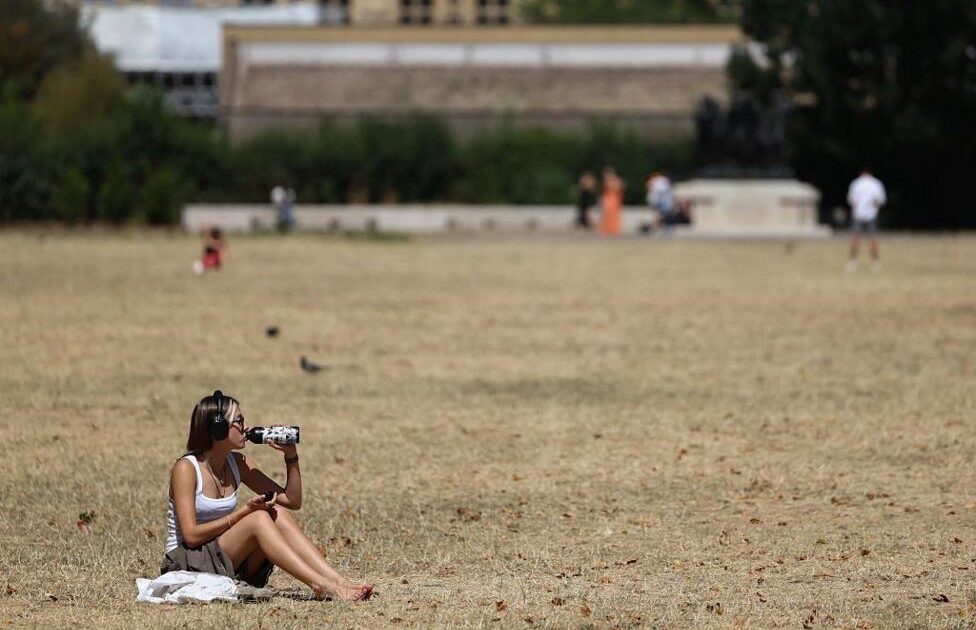
Scotland remains the frostiest UK nation but also recorded a decrease, dropping from around 45 to 38 winter air frost days. Meanwhile, summer days reaching 25C have become more frequent, with southern England averaging more than 16 such days compared to just over eight previously. Essex and Suffolk both saw increases of nearly 13 days. Additionally, days reaching 30C have quadrupled nationally from 0.3 to 1.2 per summer, with Greater London rising from an average of 1.3 to 6.1 days. Provisional Met Office data showed that the summer of 2026 was the hottest on record, featuring five widespread heatwaves and 40 days of temperatures exceeding 30C.
Impact on Food and Farming
Thomas Crocker, a science manager with the Met Office’s climate security team, noted that humans, animals, and crops face unprecedented temperature extremes. This creates water challenges, where wet winters disrupt planting and foster pests, while dry winters and hot summers leave insufficient water for crops. John Walgate, CEO of British Growers, described the impact on horticulture as seismic, noting that brassicas like cauliflowers, cabbages, and broccoli suffered yield reductions of about 50% due to difficult weather. Irrigated crops such as onions, potatoes, and carrots also struggled with water scarcity.
Conversely, soft fruits like strawberries experienced a successful year. Tim Young, a Norfolk farmer whose family has worked the land since the 1960s, reported that arable crops like onions, wheat, and sugar beet have struggled due to drier summers and a lack of cold winter days to kill bugs. To adapt, Young planted a vineyard three years ago, harvesting double the expected grape yield last year. “With climate change, the frontier is moving further north of where we can grow grapes,” he stated.
Effects on Wildlife
Changing weather patterns are altering species distributions, migration schedules, breeding, and feeding habits, according to Zoe Quiroz Cullen, head of climate and international policy at The Wildlife Trusts charity. Warmer winters cause bats to wake from hibernation prematurely when insect numbers are low, while amphibians that spawn early risk being caught by sudden cold snaps. Warmer springs prompt oak trees to leaf earlier and caterpillars to hatch sooner. While overall bird populations have declined due to habitat loss and climate change, milder winters have helped some species.
Kevin Anderson, visitor experience officer at Somerset Wildlife Trust, observed that great white egrets have established a growing breeding population at Avalon Marshes, taking advantage of warmer winters that permit year-round fishing. First breeding in Somerset with just two nests in 2012, the reserve saw about 73 chicks born last year, bringing the local population to an estimated 200.
Future Projections
With global warming currently estimated at 1.4C above pre-industrial levels, the Met Office projects that UK seasonal changes will persist. If warming reaches 2C, the UK could average roughly 24 winter air frost days, down from 38 between 1961 and 1990, while days reaching 25C could increase to about 15 per summer. Crocker noted that while annual weather will continue to fluctuate with occasional cooler summers or drier winters, the baseline has shifted toward more extreme heat and fewer extreme cold events.
The analysis was published as the Met Office launches a new partnership with the BBC to deliver weather data, forecasts, and expert insight regarding the changing climate.