Table of Contents
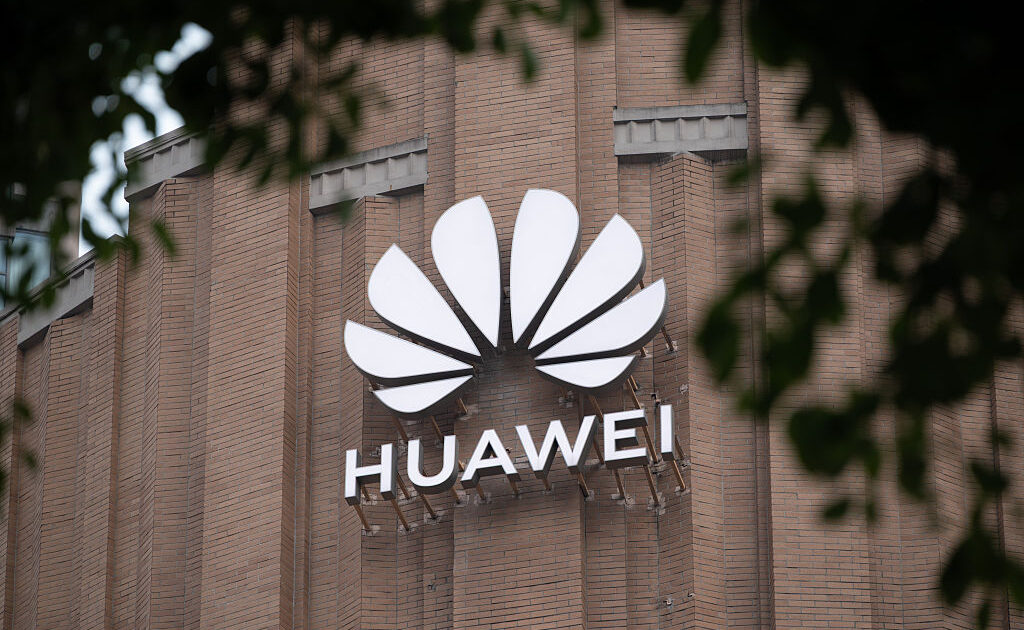
A US jury convicted Huawei Technologies, one of China’s major telecommunications and artificial intelligence companies, of stealing trade secrets from US technology firms and violating sanctions against Iran on Tuesday.
Escalating Tensions and Legal Charges
The verdict arrives at a sensitive moment as Donald Trump prepares to raise tariffs on China, potentially intensifying US-China tensions despite the longrunning charges dating back to 2018. The US Department of Justice issued a press release hailing the decision as essential for safeguarding the US financial system, American national security, and the international telecommunications sector.
The jury found Huawei guilty of multiple offenses, which included bank fraud, conspiracy to defraud the US, money laundering conspiracy, and substantive violations of the International Emergency Economic Powers Act.
Sanctions Violations and Surveillance Support
According to the Department of Justice, Huawei repeatedly deceived financial institutions regarding its operations in Iran and falsely assured the US government that it provided no assistance to the Iranian government, military, or intelligence apparatus. Prosecutors demonstrated at trial that Huawei utilized a front company named Skycom to bypass sanctions, delivering turnkey internet backbone services, expanding mobile network accessibility, and helping the Iranian regime monitor internet access and suppress protests with surveillance cameras. M. Scott Proctor, the acting principal deputy assistant attorney general for national security, stated that Huawei empowered American adversaries and compromised national security.
Theft of US Intellectual Property
The prosecution established that Huawei misrepresented its Iranian activities to maintain access to billions of dollars through the global marketplace, which facilitated the theft of American technology. Joseph Nocella Jr., the US Attorney for the Eastern District of New York, stated that Huawei explicitly targeted and stole intellectual property from T-Mobile, Cisco, semiconductor storage firm CNEX, and antenna manufacturer Quintel.