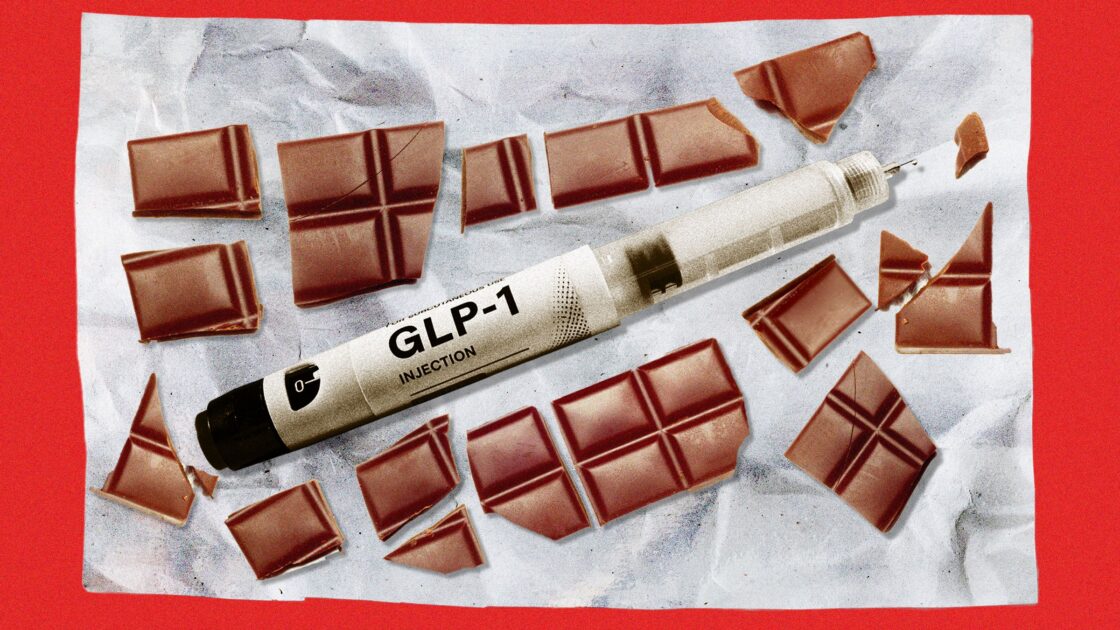
Telehealth provider Journi Health has introduced a new product called Melt, which delivers the weight-loss medication orforglipron through daily chocolate morsels. While the product uses the same active ingredient found in Eli Lilly’s prescription pill Foundayo, it has not received independent approval from the Food and Drug Administration.
The Market for Oral GLP-1s
The rise of injectable GLP-1 medications has led pharmaceutical companies like Eli Lilly and Novo Nordisk to develop pill-based alternatives to reach patients who prefer to avoid needles. Ken Custer, an executive vice president at Eli Lilly, previously told WIRED that the aversion to injections has been a significant barrier to treatment adoption. Foundayo received FDA approval in April, while an oral version of Novo Nordisk’s Wegovy was approved in December 2025.
Luna Yu, the founder of Journi Health, stated that Melt is designed for patients who struggle with injections or swallowing traditional pills. She noted that the product targets those new to GLP-1 therapy, individuals seeking weight maintenance, and “microdosers” interested in potential longevity benefits. However, it is important to note that the use of GLP-1 medications at doses below standard therapeutic levels has not been validated through human clinical trials.
Access and Regulatory Status
Although Yu is not a physician, the company requires patients to undergo a virtual medical evaluation with a licensed clinician to determine eligibility and dosage. A monthly subscription for 24 individually wrapped chocolate squares costs $189, a price that includes the physician review. In comparison, the list price for a 30-day supply of Eli Lilly’s Foundayo is $649, though insurance coverage can significantly reduce that cost.
Melt is categorized as a compounded drug, meaning it is a custom mixture created by a pharmacy using FDA-approved ingredients but in a formulation that lacks its own FDA approval. Compounding is generally permitted when there is a specific patient need, such as an allergy or a requirement for a dosage not available in commercial products, or during periods of drug shortages.
While the FDA previously allowed compounding pharmacies to produce GLP-1 versions during the widespread shortages between 2022 and early 2025, the agency has since stated that pharmacies cannot routinely create “essentially copies” of commercial drugs now that supplies have stabilized. The FDA has also initiated crackdowns on virtual clinics selling unapproved GLP-1 products, and Eli Lilly has pursued multiple lawsuits against companies marketing such alternatives.
Industry Response
In a statement provided to WIRED, an Eli Lilly spokesperson criticized the product, describing it as an “unstudied knockoff” that turns a serious medical need into a “marketing gimmick.” The company urged regulators and law enforcement to take action against such products, emphasizing that its own medication was developed through extensive clinical trials.
In response, Yu argued that Journi Health’s product is distinct because of its “novel form factor,” which provides a different experience for the patient. She maintained that offering an edible alternative is necessary for those who have discontinued other treatments due to difficulties with traditional delivery methods. “They deserve alternatives worth exploring,” she told WIRED.
The future of the product remains uncertain as it awaits potential scrutiny from regulators regarding its compliance with current compounding guidelines.