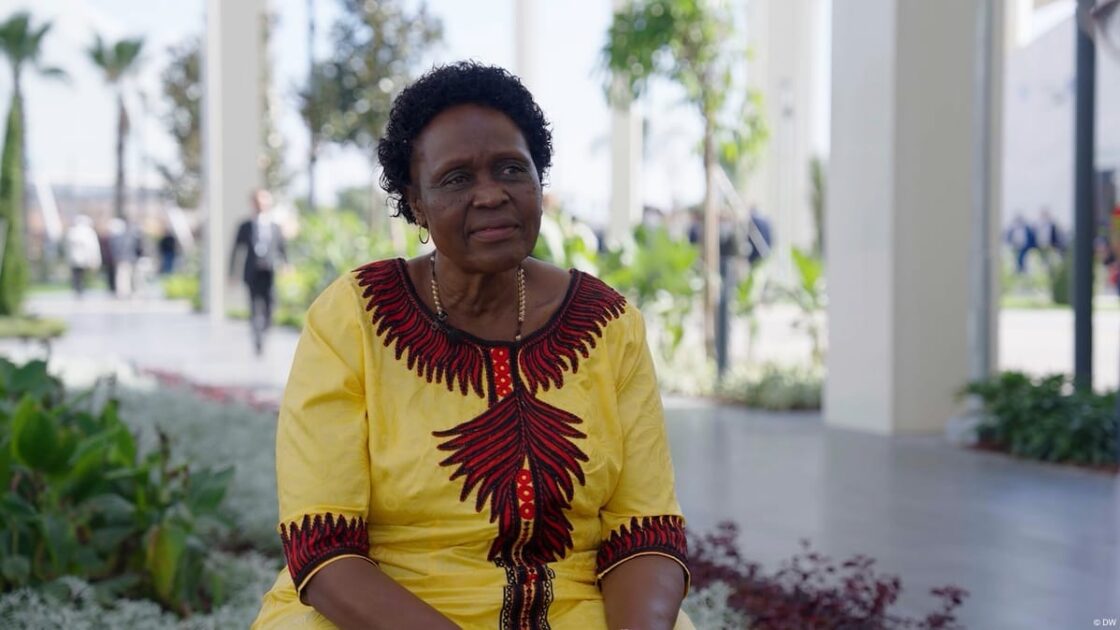
Ugandan Environment Minister Beatrice Atim Anywar is attending the UN climate talks in Antalya, Turkey, to secure increased financial support for her nation as it confronts severe climate change impacts. Leading the Ugandan delegation, Anywar told Deutsche Welle (DW) that citizens are facing displacement, hunger, and health crises driven by changing weather patterns. The East African country has recently experienced landslides, floods, and droughts that have severely damaged harvests and hydroelectric production.
Balancing Energy Needs and Fossil Fuel Plans
While dealing with these climate impacts, Uganda is simultaneously working to expand renewable electricity from solar and hydropower sources. In a nation of approximately 53 million people, over 90 percent of households rely on wood and charcoal for cooking, leading to widespread deforestation. Only about 2 percent of Uganda’s energy currently comes from electricity, and less than half of the population has electricity access. Anywar explained that the government is actively scaling up hydropower production and providing alternative energy sources to phase out charcoal use systematically.
At the same time, Uganda aims to boost its economic development by becoming an oil producer. A controversial 1,443-kilometer (897-mile) pipeline connecting eastern Uganda to a Tanzanian coast port is nearly complete and slated to open in 2027. Environmentalists have strongly criticized the East African Crude Oil Project, which is operated by French energy giant TotalEnergies and places oil wells inside Murchison Falls National Park. According to the Climate Accountability Institute, the project will emit 379 million tons of pollution over its 20-year lifespan.
Seeking a Just Transition and Carbon Financing
Addressing the criticism, Anywar acknowledged the project is a sticky issue at climate summits but emphasized that measures are in place to limit emissions. She urged developed nations to give developing countries flexibility in utilizing their natural resources for development, stating that oil revenues could help fund the eventual shift to cleaner energy. Noting that Africa contributes less than 4 percent of global greenhouse gas emissions yet suffers disproportionately, Anywar criticized the slow flow of international climate funds and called for a just transition that protects local workers and communities.
To help finance climate adaptation, Anywar pointed to carbon credits as a potential breakthrough that could attract investors to the country’s rich biodiversity. While carbon credits face criticism regarding transparency and allowing ongoing pollution, Anywar stressed the importance of a bankable approach to secure necessary financial resources. She concluded that Uganda must attract investment and build partnerships in smart agriculture and energy rather than relying solely on delayed international funds.