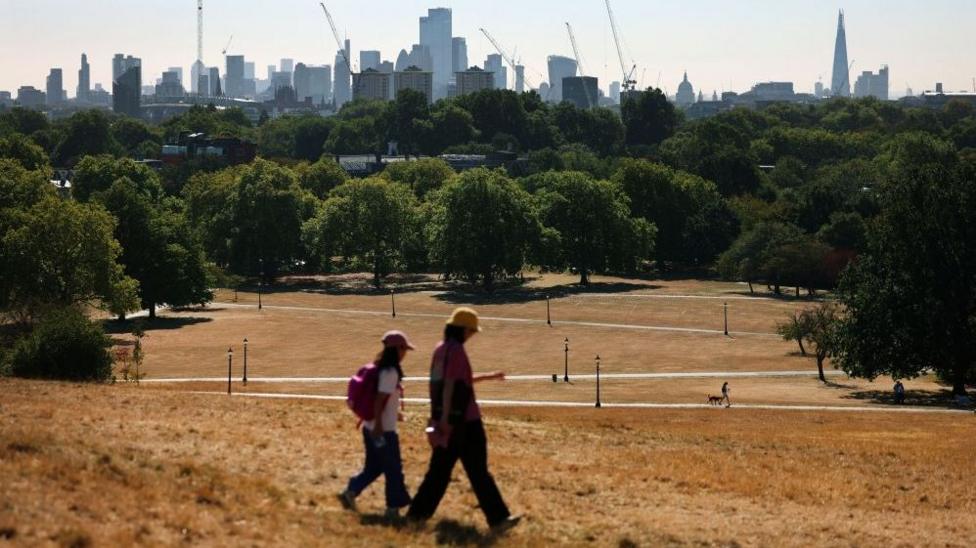
More than 5,000 people suffered heat-associated deaths in England this summer, the UK Health Security Agency (UKHSA) has estimated, marking the highest number since records began in 2016. The UK experienced its hottest summer on record in 2026, with the estimated 5,258 heat-linked fatalities doubling the previous high of 2,985 recorded in 2022.
Deadly Heatwaves and Temperature Peaks
The deadliest period for heat-related deaths occurred between June 21 and June 28, accounting for an estimated 2,401 heat-associated deaths as temperatures peaked at 38C. The UKHSA reported that summer 2026 was exceptional, recording the highest annual number of heat episodes, defined as days when the average Central England Temperature reaches at least 20C. Between May and August, the agency noted seven separate heat episodes totaling 41 days.
Provisional Met Office data showed widespread heatwaves throughout the season. A May heatwave broke the monthly temperature record by over 2C with a high of 35.1C at Kew Gardens, while a June heatwave reached 38.0C in Lingwood, Norfolk, surpassing the previous record of 35.6C set in 1957 and equaled in 1976. Both events resulted from heat domes, which are stalled areas of high pressure trapping hot air over the region.
A subsequent heatwave in mid-August pushed temperatures to 38.2C at Hartpury College in Gloucestershire, marking the hottest day of the year. For comparison, the UK’s all-time record remains 40.3C set in Coningsby, Lincolnshire, on July 19, 2022. Additionally, a lack of rainfall led to droughts across all of Wales and over two-thirds of England, alongside destructive wildfires.
Public Health and Official Responses
Dr Ross Thompson, principal environmental health scientist at the UKHSA, stated that the hot weather heavily impacted public health, particularly during the early heat episodes in May and June. He added that extreme heat periods are projected to become longer, more frequent, and more intense as the climate continues to warm. The UKHSA emphasized that the findings highlight the necessity for longer-term adaptation, noting that modifying homes, neighborhoods, and healthcare environments will grow increasingly vital.
Addressing the House of Commons, Health Secretary Yvette Cooper offered condolences to those who lost loved ones and called the figures a stark reminder of the human impact of climate change. She stated that she asked the NHS to prepare for summer as seriously as it does for winter. Meanwhile, Prime Minister Andy Burnham, speaking at the COP31 summit earlier this month, addressed the extreme UK weather and described it as not normal.