Table of Contents
Meta’s third-generation Ray-Ban smart glasses offer only minor performance and cosmetic upgrades over previous models, leading Engadget to question whether the $449 starting price is justified.
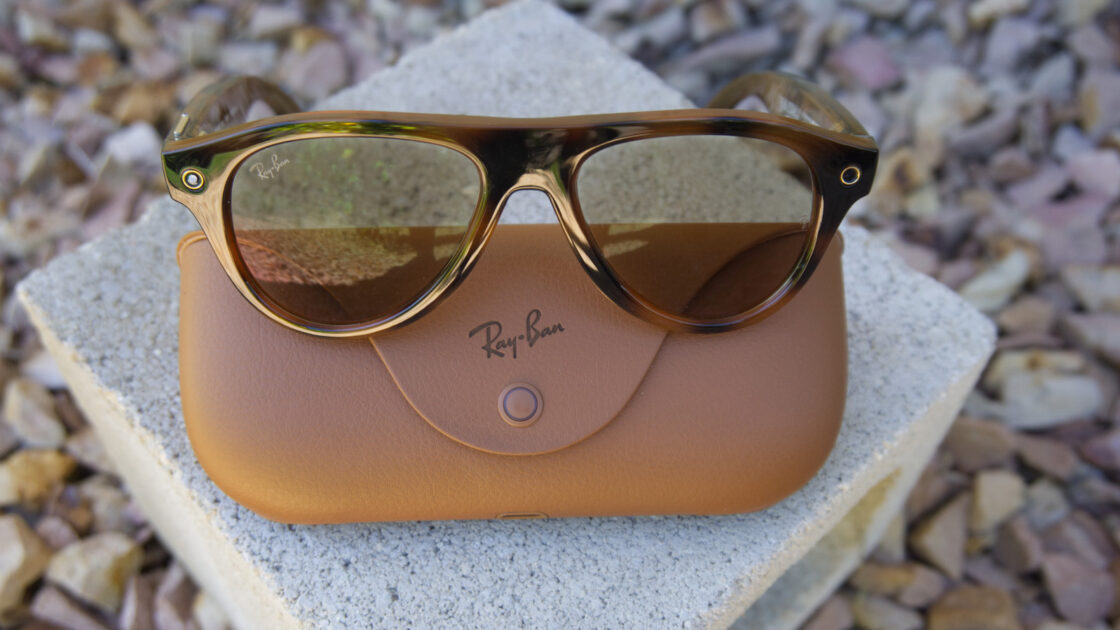
New frame styles and physical updates
The third-gen Meta Ray-Ban glasses are offered in three frame styles, including slimmer classic Wayfarer frames, a new cat-eye shape called Zena, and an Aviator style. Engadget noted that while the Zena and Aviator shapes expand the design options, both start at $529. The reviewer found the Aviator frames to be quite oversized at 10mm wider than the smallest Gen 3 Wayfarer frames, and mentioned that the bulkiness caused the glasses to constantly slip down the nose. Because Ray-Ban Meta frames require professional adjustment by an optician or at a Meta store rather than DIY tweaks, fixing the fit after an online purchase can be inconvenient.
Another physical addition to the Gen 3 lineup is the action button, a customizable shortcut previously seen on other recent Meta glasses. Users can configure the button to trigger specific tasks, such as reading the latest text message or launching a Meta AI query, without needing voice commands. Under the hood, the third-generation glasses feature a slight battery life improvement, lasting up to nine hours on a single charge with an extra 50 hours provided by the charging case. Engadget reported getting roughly six hours of continuous audio playback, though features like Live AI drain the battery faster. Additionally, an extra microphone was added to improve voice call clarity.
Meta AI integration and future software
The Gen 3 glasses utilize the same Meta AI features powered by Muse Spark as the rest of the company’s lineup, which helps make conversations feel more natural. Meta also previewed its advanced AI agent Muse for the glasses during Connect, a feature currently in beta that will eventually allow users to chat with the agent and show it what the glasses’ cameras capture. However, Engadget expressed concern that AI features could become a vehicle for Meta to promote Meta One subscription plans, pointing to promotions for photo storage and paywalled features like upcoming hearing enhancement tools.
On the privacy front, the Gen 3 glasses include a setting that allows users to opt out of letting the company use collected visual data to train its AI models. This ensures that images captured when asking Meta AI about surroundings are not stored or shown to human contractors, serving as a notable addition for privacy-conscious users despite lingering concerns.
Determining value and alternatives
With Meta offering a broader range of smart glasses, the Gen 3 faces stiff competition from within the company’s own ecosystem. Meta’s non-Ray-Ban glasses start at $249 and provide virtually the same features, while the previous Gen 2 frames remain available at $349 and Gen 1 frames at $224. Engadget concluded that unless buyers specifically want the Ray-Ban aesthetic or the extra battery life, the minor distinctions offered by the Gen 3 may not justify the higher price tag for most people.