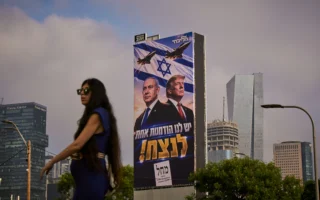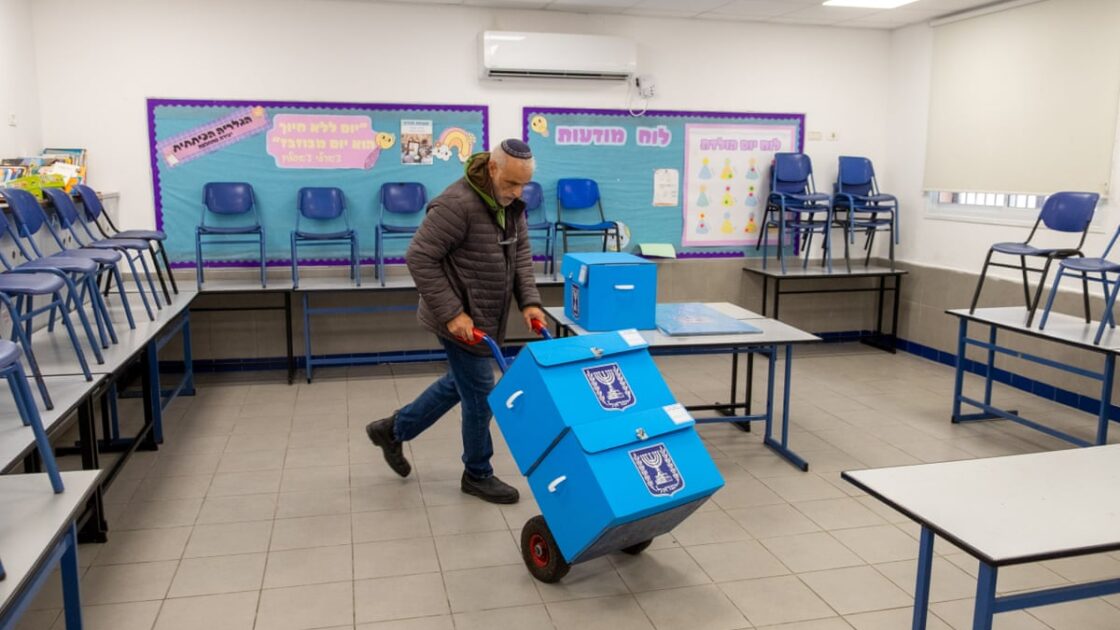
Voting has begun in Israel’s first general election since the October 7, 2023 attacks by Hamas, marking a critical test for Prime Minister Benjamin Netanyahu. The election comes after years of heavy regional war, the destruction of Gaza, and a military conflict involving the United States against Iran.
Polls Point to Potential Political Deadlock
Most polling indicates that Netanyahu’s ruling coalition will fail to maintain its majority in the 120-seat Knesset. However, the opposition parties are also expected to fall short of the 61 seats required to establish a new governing coalition.
At 76 years old, Netanyahu leads what is recognized as the most far-right government in the history of the country. The election holds major personal consequences for him as he continues to stand trial across three separate corruption cases. Donald Trump had previously called for a pre-emptive pardon for Netanyahu and addressed a letter regarding the matter to Israeli President Isaac Herzog, but the legal proceedings remain ongoing.
A Referendum on Leadership and Regional Conflict
The ballot is widely seen as a judgment on Netanyahu’s tenure following the October 7 assault, when Hamas militants broke out of Gaza and killed nearly 1,200 people, the majority of whom were civilians. The military offensive launched by the Israel Defense Forces in Gaza has since killed at least 75,000 people and drawn global condemnation, with a United Nations commission, legal experts, and human rights groups classifying the actions as genocide and leaving Israel diplomatically isolated.
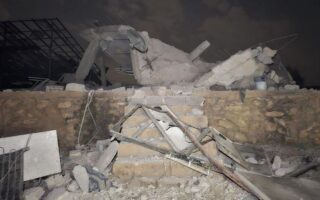
The broader regional conflict over the last three years included a war on Iran that killed thousands of people, primarily in Lebanon and Iran, while sparking a continuous global energy crisis. Within the occupied West Bank, Netanyahu’s reliance on far-right political partners to maintain his government coincided with an unprecedented wave of deadly violence by extremist settlers who expanded their presence with impunity.
While expanding settlements has formed a core element of Netanyahu’s platform to secure re-election, the policy has further driven Israel’s international isolation, leading traditional allies to denounce extremist settler violence and prepare formal sanctions.