Table of Contents
Global smartphone sales declined by 9% in the third quarter of 2026 compared to the same period in 2025, continuing a broader market slowdown. Rising memory component costs have severely impacted the budget Android phone market, causing consumers to hold off on upgrading their devices.
Market Share Shifts and Apple’s Growth
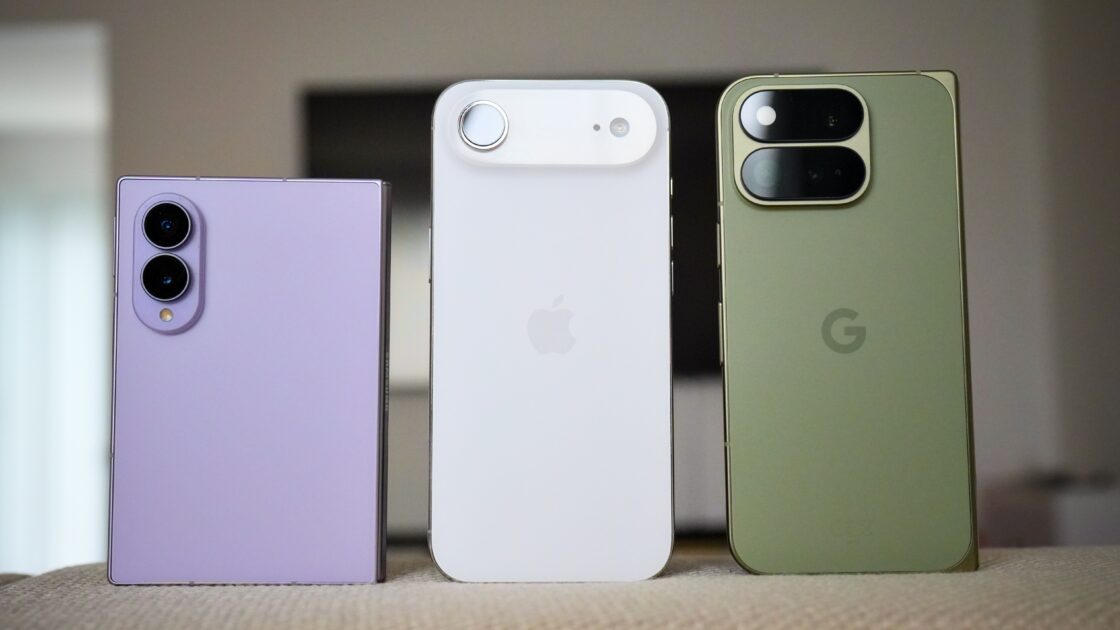
Samsung maintained its position with roughly 25% of the market share, while competitors such as Motorola and Google experienced declines. Apple capitalized on the situation, growing its market share from 50% to 57% year-over-year. This growth was driven by its diverse iPhone lineup, which ranges from the 17E to the new $1,999 foldable flagship model, the iPhone Duo.
Manufacturers producing cheaper handsets suffered as high memory expenses impacted their profit margins. Counterpoint Senior Analyst Emily Herbert explained that original equipment manufacturers in this segment struggle to absorb increased material costs without either raising retail prices or reducing sales volume.
The Impact of AI Infrastructure on Component Prices
The smartphone market has faced sluggish sales throughout the year, following a larger-than-expected 20% slump in the previous quarter. The rapid expansion of data centers to support the growing artificial intelligence industry has triggered widespread memory shortages. Consequently, component prices have spiked, driving up manufacturing costs for smartphones, personal computers, game consoles, and other electronic devices.
Holiday Season Outlook
Although the upcoming holiday season, including Black Friday and Cyber Monday, typically brings strong sales for major brands like Apple and Samsung, the ongoing memory crisis persists and overall phone prices remain elevated. Counterpoint projects that smartphone sales will stay weak through the next quarter.
Major US carriers including AT&T, T-Mobile, and Verizon are experiencing declining sales as customers become more selective about committing to devices priced above $1,000, increasingly turning to second-hand and refurbished models instead.
Counterpoint Senior Analyst Maurice Klaehne noted that consumers are timing their purchases around the best available promotions more than ever, adding that the holiday sales cycle will deviate significantly from normal patterns.